Navy to Reduce Civilian Public Affairs Staff by One-Third

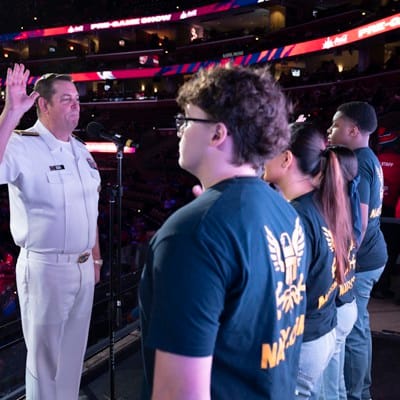
Navy Public Affairs Reorganization: Strategic Cuts and Centralization
Overview
The Navy Chief of Information’s office has received a directive from Navy Secretary John Phelan to formulate a plan aimed at reducing the civilian public affairs staff by a minimum of 35%. This initiative underscores a strategic shift toward centralization within the Department of the Navy.
Centralization of Communications
This reorganization includes a centralization of hiring for all civilian Public Affairs Officers (PAOs) and communications-related contracts, consolidating these responsibilities under Department of the Navy headquarters. Although the Marine Corps has not been mandated to reduce personnel, it will adopt the new centralized hiring and contracting protocols.
Justification for the Initiative
In his memo, Secretary Phelan emphasized the necessity of this initiative, stating it serves to:
- Eliminate Redundancies: Streamlining roles will mitigate duplicative positions across commands.
- Enhance Talent Utilization: Focusing efforts on high-priority functions ensures that the most skilled individuals are applied where they are needed most.
- Revise Contracting Practices: Improved alignment with resource management goals aims at operational efficiency and cost effectiveness.
The memo stipulates a 45-day window from the signing date (August 7) for the submission of the proposed plan.
Comparative Structural Changes
This reorganization follows a significant announcement from the Army, which rebranded its Office of the Chief of Public Affairs to the Army Global Communications Office. Notably, while the Army did not announce cuts to its personnel, it did indicate a shift in leadership and oversight, enhancing its approach to communications.
Leadership Transitions
The Navy is preparing for a transition at the top level of public affairs, as Rear Adm. Ryan Perry, who has served as the Chief of Navy Public Affairs for three years, plans to retire on October 1. His deputy, Rear Adm. John Robinson, will step into the role temporarily until a permanent appointment is made.
Findings from the Review
The impetus for the Navy’s reorganization is rooted in findings from a January review. Secretary Phelan indicated that the current landscape lacks a cohesive communications strategy, leading to fragmented messaging. The review uncovered numerous public affairs strategies that have not been validated, resulting in inefficient allocation of taxpayer resources.
Workforce Impact and Strategic Direction
Currently, there are approximately 400 civilian PAOs in the Navy. The directive does not offer explicit guidelines for determining which positions to eliminate; however, it emphasizes the need to prioritize the removal of redundant roles. Each position retained must justify its critical relevance to the Navy’s mission.
This workforce reduction aligns with broader trends within the Defense Department, notably during the second Trump administration, where a concerted effort to cut civilian jobs was initiated. The directive from February sought to decrease civilian staffing by 5 to 8 percent and implemented a hiring freeze, impacting existing job offers.
Conclusion
As the Navy endeavors to streamline its public affairs operations, it incurs both challenges and opportunities. The efficacy of these changes will largely depend on the successful integration of centralized hiring and contracting practices. Moreover, the strategic alignment of personnel with mission-critical roles is paramount for enhancing operational efficiency and maximizing the use of taxpayer dollars in defense initiatives.