Navy's MQ-1 Predators Transition to Test Assets

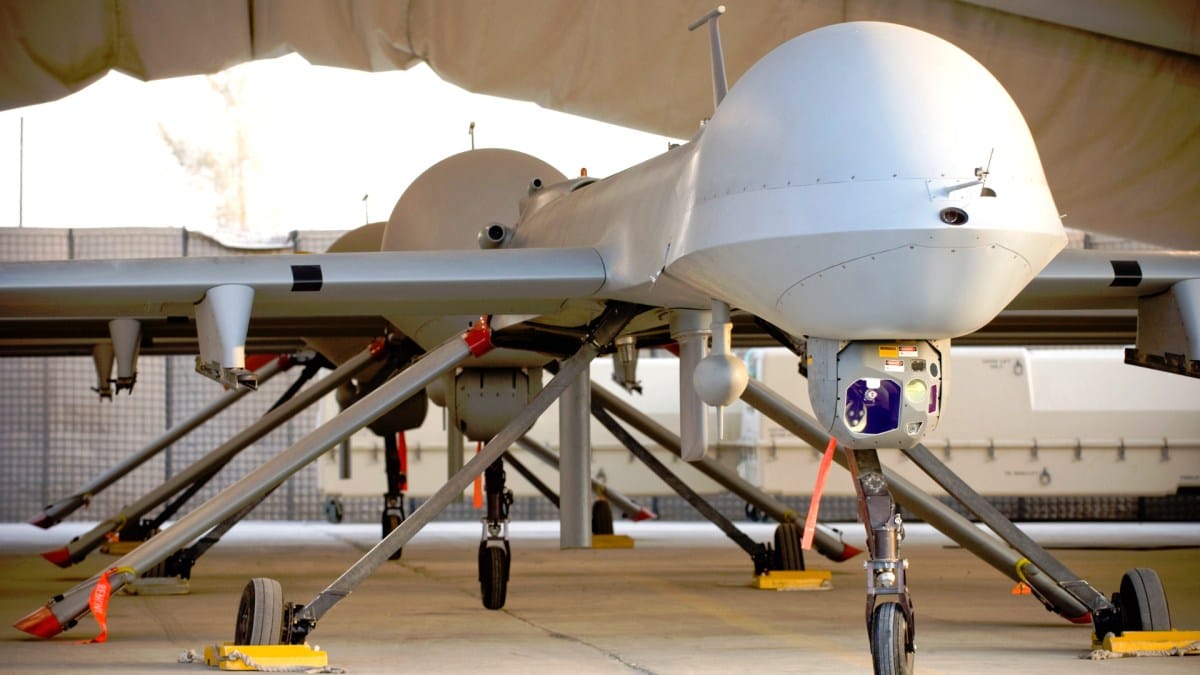
Adaptation of Former Air Force Drones
The Navy has repurposed a fleet of MQ-1 Predator drones, originally developed for the Air Force, to serve as test assets. This transition highlights the versatility and ongoing utility of these unmanned aerial vehicles (UAVs) within the military's broader operational framework. The decision to integrate these drones into the Navy's test community reflects a strategic move to leverage existing technology in support of evolving mission requirements.
The MQ-1 Predator, a platform renowned for its reconnaissance and combat capabilities, is now playing a crucial role in testing various naval systems and tactics. By utilizing these drones, the Navy can conduct extensive evaluations of new technologies and operational concepts without the immediate need for developing new UAV platforms. This approach not only optimizes resource allocation but also accelerates the testing cycle for innovations that are vital for maritime operations.
Implications for Future Naval Operations
The utilization of MQ-1 Predators in the Navy signifies a shift towards greater integration of unmanned systems in naval operations. This transition raises questions about the future of naval UAV development and how the Navy will balance the need for advanced capabilities with the constraints of budget and resources. As the Navy continues to explore the potential of UAVs, the implications for operational effectiveness and strategic flexibility are significant.
This development suggests a broader trend within military branches to maximize asset utility by adapting existing fleets for new roles. Analysts will be watching closely to see how this trend influences procurement strategies and the development of next-generation unmanned systems, particularly as the demands of modern warfare evolve.
Sources: Twz, Sandboxx, Airforce Technology, and USNI News