
Navy's New Drone Boats to Transform Future Fleet Strategy

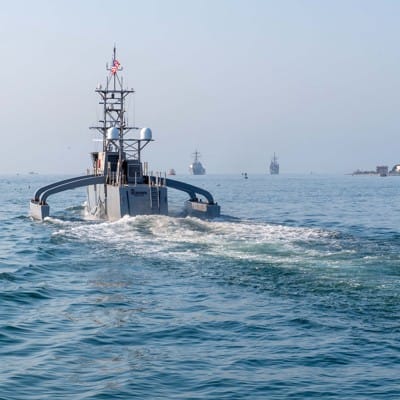
Introduction of Drone Boats in Shipbuilding Plan
The U.S. Navy has announced the integration of drone boats into its 30-year shipbuilding plan, aiming for a fleet of 450 hulls by 2031. This strategic initiative highlights a significant shift in naval capabilities and operational tactics as the service seeks to enhance its maritime dominance in an evolving security landscape.
Context and Analysis
The decision to include drone boats represents a forward-thinking approach to modern naval warfare. As geopolitical tensions continue to rise, particularly in contested regions, the Navy's focus on unmanned vessels allows for increased operational flexibility and reduced risk to personnel. The projected fleet size underscores an intent to leverage technology to maintain superiority over potential adversaries.
With advancements in unmanned systems, the Navy can conduct a variety of missions, from surveillance to strike operations, without exposing crewed vessels to immediate danger. This capability is particularly relevant given the growing threats in asymmetric warfare and the need for enhanced situational awareness in contested environments.
Why It Matters
The introduction of drone boats could redefine naval engagement strategies and enhance the U.S. Navy's ability to respond to threats. The potential for a 450-hull fleet signifies a commitment to innovation and adaptability in maritime operations. This development raises questions about the implications for future naval engagements and the balance of power at sea. As analysts assess the effectiveness and integration of these drone boats into existing naval frameworks, the Navy's strategic posture will undoubtedly evolve to meet the demands of modern warfare.
Sources: Defenseone, Defense One, The War Zone, U.S. Naval Institute, and DefenseScoop




