Next presidential jet will arrive earlier than projected, Air Force says.

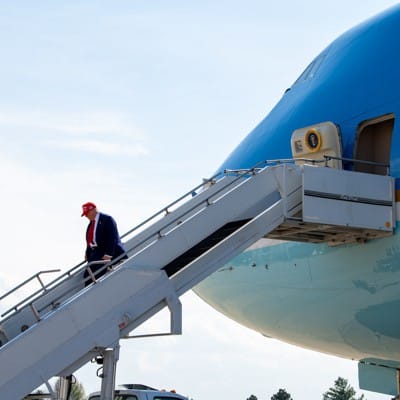
Boeing’s Air Force One Program Update
Early Delivery Projection
Boeing’s Air Force One program has revised its delivery timeline, now anticipating the first presidential transport aircraft to be completed by mid-2028. This timeline represents an acceleration from earlier projections, which suggested a delivery window of 2028 to 2029. This revision comes amid ongoing priorities set by the Trump administration to expedite the program.
Communications Systems Enhancement
The U.S. Air Force has confirmed an increase in funding for Boeing, amounting to an additional $15.5 million. This funding will specifically focus on upgrading the communications systems for the two VC-25B aircraft. An Air Force representative explained:
“These expenses are linked to the integration of new communication capabilities that ensure the VC-25B aligns with evolving operational needs since the program’s initial establishment.”
The enhancements are designed to fit within the existing program timeline, thereby supporting the anticipated mid-2028 delivery.
Project Financials and Scope
The recent modifications are distinct from existing firm-fixed-price engineering and manufacturing development contracts. The total value of the contract has now surpassed $4.3 billion, with the communication upgrades expected to conclude by the end of December next year.
Commitment to Schedule
In a recent statement, Air Force Secretary Troy Meink expressed optimism regarding the adherence to the delivery schedule for both aircraft. He affirmed:
“Based on my close collaboration with contractors over the past months, I believe they remain on schedule. We will deliver the jets in accordance with the President’s requirements.”
Historical Context
The initiative to replace the two existing VC-25s, which have been operational since 1990, began in 2015. Boeing secured the contract for the replacement jets—newly constructed 747s—anticipated to cost around $4 billion. However, in December 2016, President-elect Trump publicly criticized the program, erroneously claiming it had exceeded its budget and suggesting its cancellation.
Subsequently, Boeing pivoted to a new plan, utilizing two unused 747s that had been built for a failed Russian airline. Although work commenced in 2020, progress faced hurdles due to labor shortages and supply chain disruptions. Projected delivery dates fluctuated over the following years—from 2026 to 2027, and further delays pushed the timeline back to 2028 or 2029.
Recent Developments
In response to mounting pressure regarding delays, the Trump administration in the summer of 2025 accepted a Boeing 747 from Qatar for conversion into a temporary Air Force One. It was later estimated that retrofitting this aircraft would cost less than $400 million, which would be financed, in part, by reallocating funds from the U.S. Air Force’s Sentinel intercontinental ballistic missile program. Secretary Meink informed Congress that this retrofit would take approximately one year to complete.
This series of developments illustrates ongoing challenges in meeting presidential transport requirements while adapting to budgetary constraints and evolving specifications.