North Korea: The Outlier in U.S. Foreign Relations

Communication Breakdown with North Korea
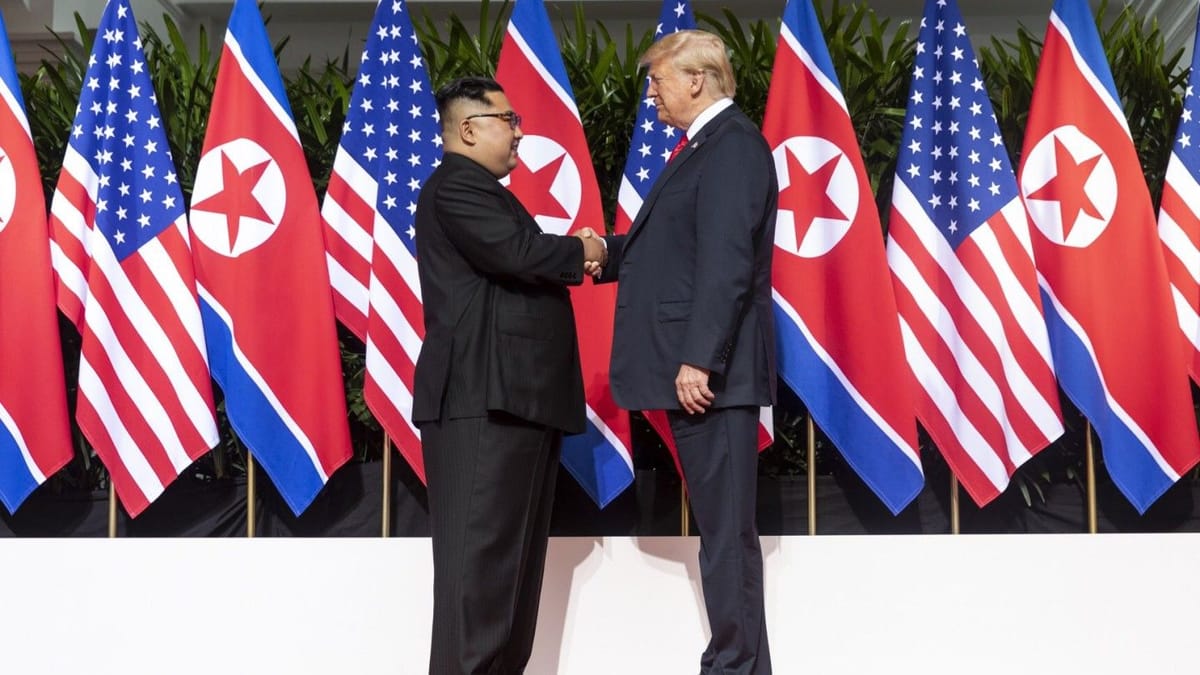
As the United States continues to maintain open communication channels with various global adversaries, North Korea stands out as a notable exception to this diplomatic norm. This situation highlights a critical aspect of U.S. foreign policy, particularly under the administration of President Trump, which has not prioritized engagement with the hermit kingdom.
The lack of dialogue with North Korea underscores the ongoing tensions surrounding its nuclear program and military provocations. Despite the U.S. efforts to foster relations with countries such as Iran and Russia, North Korea remains isolated in this regard. This absence of communication not only signifies a breakdown in diplomatic relations but also raises concerns about the potential for miscalculations or escalations in military confrontations.
Strategic Implications for U.S. Defense Policy
The implications of this communication gap are significant for U.S. defense strategy in the Asia-Pacific region. Without established lines of communication, the risk of conflict increases, especially as North Korea continues to develop its military capabilities. Analysts will be watching for any changes in North Korea's approach, which could prompt a reevaluation of U.S. strategies in dealing with threats emanating from the Korean Peninsula.
Furthermore, the current stance may influence relations with allies in the region, such as South Korea and Japan, who look to the U.S. for leadership in addressing North Korea's aggressive posturing. This development raises questions about how the U.S. will adapt its defense policies to counteract North Korea's nuclear ambitions while managing regional stability.
Clearly, the absence of diplomatic engagement with North Korea is an anomaly in an otherwise communicative global landscape. As the U.S. navigates its foreign relations, this unique situation will require careful monitoring and strategic planning to prevent further escalation and to safeguard national security interests.
Sources: Defence24, Council on Foreign Relations, 조선일보, The Korea Times, and Korea Economic Institute of America -