
Northrop Grumman Accelerates Autonomy and Interceptor Development Amid Evolving Defense Landscape

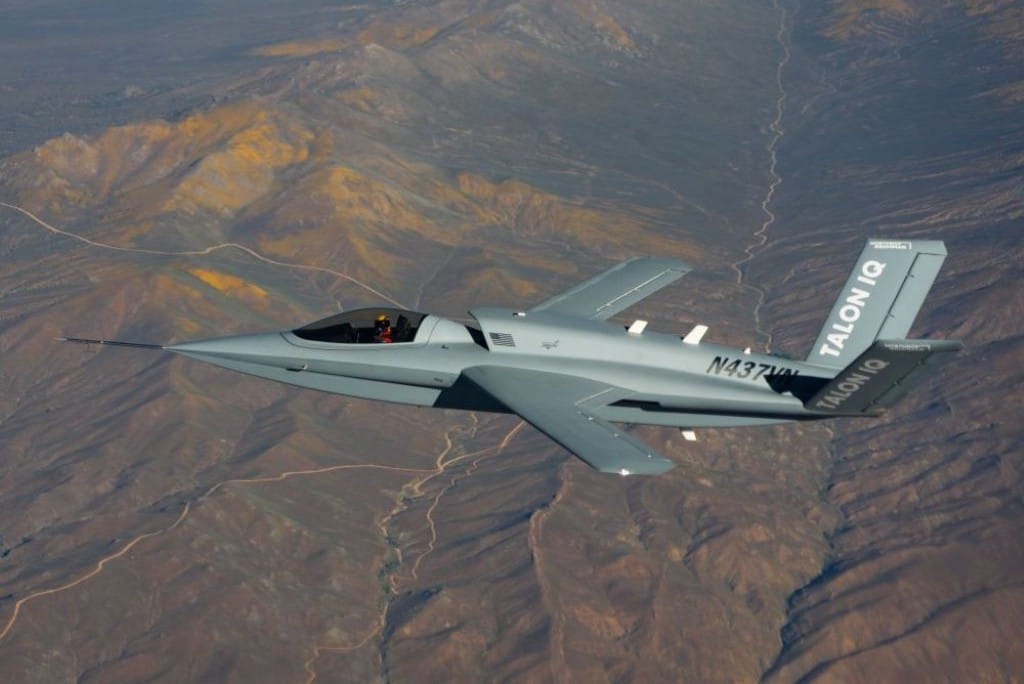
Recent developments from Northrop Grumman highlight the company's strategic pivot towards enhancing its technological capabilities in defense systems. With the unveiling of the Talon IQ™ testbed, coupled with a significant contract modification for the Glide Phase Interceptor, Northrop Grumman is setting the stage for advancements in both autonomous operations and missile defense systems.
What happened
On April 16, 2026, Northrop Grumman announced the operational capabilities of the Talon IQ™ testbed in Mojave, California. This innovative platform integrates advanced autonomy features, allowing for real-time adjustments during flight through collaborations with Applied Intuition and Accelint. The system's capability to adapt its autonomous behaviors in-flight is a significant leap forward in unmanned systems, promising enhanced operational flexibility.
Just a day prior, on April 15, 2026, the company was awarded a modification contract aimed at accelerating the development of the Glide Phase Interceptor. This interceptor is designed to enhance the United States' capability to neutralize high-speed threats, specifically those that could evade conventional missile defense systems. The dual focus on both autonomous systems and advanced interceptors reflects a clear commitment to maintaining technological superiority in a rapidly evolving security environment.
The strategic calculus
The integration of autonomy in defense systems is a critical factor in modern warfare. Northrop Grumman's Talon IQ™ represents a crucial step in expanding the operational envelope of unmanned vehicles, which can perform complex missions without direct human oversight. The implications of such technology include:
- Increased mission success rates: Enhanced adaptability can lead to improved decision-making in dynamic environments.
- Cost efficiencies: Autonomous systems can reduce the need for human personnel in high-risk situations.
- Force multiplier: These systems can operate alongside traditional military assets, amplifying overall effectiveness.
On the other hand, the Glide Phase Interceptor's rapid development indicates a response to emerging threats, particularly those posed by hypersonic missiles. As adversaries enhance their missile capabilities, maintaining a robust defense mechanism becomes paramount. The Glide Phase Interceptor aims to provide a preemptive strike capability during the glide phase of missile flight, significantly increasing the chances of successful interception.
What comes next
As Northrop Grumman navigates these advancements, several key considerations will shape the future of its defense initiatives:
- Continued investment in R&D to refine the Talon IQ™ and other autonomous systems.
- Strategic partnerships with technology firms to enhance the capabilities of existing platforms.
- Integration of lessons learned from testing the Glide Phase Interceptor into future missile defense strategies.
These developments not only enhance Northrop Grumman's portfolio but also reinforce the United States' position in global defense. As threats evolve, the ability to adapt through technology will be essential in ensuring national security and operational readiness.
Sources: Edrmagazine, ASDNews, Defence Industry Europe, and Joint Forces