ODNI Likely to Curtail Counterintelligence Center in Latest Restructuring

Proposed Restructuring Threatens U.S. Intelligence Capability
Overview of Changes
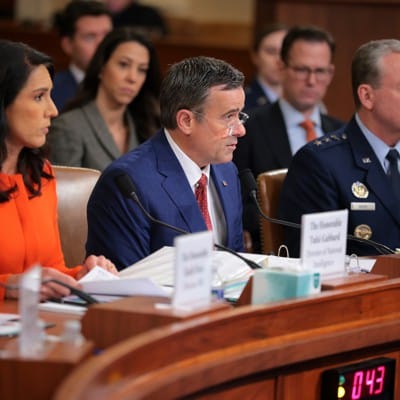
Recent deliberations within the Office of the Director of National Intelligence (ODNI) may lead to significant downsizing or the complete closure of two pivotal intelligence-coordination centers: the National Counterintelligence and Security Center (NCSC) and the National Counterterrorism Center (NCTC). This initiative is part of a broader restructuring effort within the U.S. intelligence community, raising concerns among various stakeholders about the potential ramifications for national security.
Implications for Counterintelligence and Counterterrorism
Sources familiar with the discussions suggest that these proposed adjustments are likely to impair the U.S. government’s ability to neutralize espionage and terrorist threats. The NCSC and NCTC play critical roles in the fusion of intelligence and coordination of activities across multiple agencies, ensuring a cohesive response to evolving security challenges. Specifically, these centers are tasked with:
- NCSC:
- Analyzing espionage threats from adversarial nations.
- Coordinating counterintelligence operations across federal agencies.
- Raising awareness about foreign recruitment strategies targeting U.S. personnel and industries.
- NCTC:
- Integrating intelligence to produce actionable insights on terrorist threats.
- Maintaining key databases, such as the Terrorist Identities Datamart Environment, which is vital in tracking and deterring potential attacks.
Risks of Budget Cuts and Staff Reductions
Recent developments indicate that severe budget reductions are anticipated for both centers. A notable reduction in leadership—shifting from five directors to a singular position—highlights the diminishing capacity of these vital institutions. Former intelligence officials have expressed that these cuts undermine coordination efforts and leave the nation vulnerable to increasingly sophisticated threats.
Erosion of Information Sharing
Diminished resources and restructured roles have adversely affected collaboration with allied intelligence agencies. Key partnerships that enhance the U.S. intelligence community’s ability to preemptively address foreign threats are reportedly strained. For example, entities within the Five Eyes alliance are reconsidering their information-sharing practices due to uncertainties stemming from these organizational changes.
- Consequences of Poor Coordination:
- Cases like the Salt Typhoon campaign serve as stark reminders of the potential fallout from these cuts, as they exemplify how adversaries such as China test cyber strategies before deploying them against the U.S.
- A notable loss of communication may inhibit detection of emerging threats, potentially leading to significant intelligence gaps.
Challenges in Counteracting Foreign Threats
The national security environment is characterized by escalating cyber threats and disinformation campaigns from actors such as Russia and China. Despite increasing consensus across the political spectrum regarding these dangers, the restructuring efforts currently underway threaten to hinder the U.S. intelligence community’s operational effectiveness.
- Noteworthy Actions:
- Termination of cybersecurity intelligence units, including the Cyber Threat Intelligence Integration Center (CTIIC) and assessment initiatives targeting foreign interference.
- Reallocation of specialized FBI agents away from vital investigative roles in foreign election interference.
The Chilling Effect on Intelligence Operations
The current administrative landscape has fostered an atmosphere where intelligence analysts may hesitate to fully communicate threats, fearing repercussions from leadership. This chilling effect could lead to gross underreporting of risks and ultimately jeopardize U.S. national security interests.
Future Outlook
The repercussions of these operational changes and resource reductions may not become apparent immediately but could pose long-term risks. Officials warn that diminished capabilities may compromise the United States’ ability to maintain international stability, thus weakening its leverage in worldwide diplomatic and defense matters.
Ultimately, as the U.S. confronts an increasingly complex and dangerous global landscape, scaling back core intelligence functions could result in a marked decline in national security reliability and resilience. Reconceptualizing the balance between efficiency and effectiveness in intelligence operations remains essential as the U.S. strives to adapt to these evolving threats.
In light of these developments, it is imperative for policymakers to reassess the strategic value of maintaining robust and well-funded intelligence entities, ensuring that they are equipped to confront contemporary and future challenges.