UK Deploys ORCUS, NINJA, and Rapid Sentry Counter-Drone Systems to Protect RAF Airbases

Enhancing Airbase Defense: The RAF’s Advanced Counter-Drone Framework
The Royal Air Force (RAF) has implemented a sophisticated three-layer counter-drone defense mechanism, integrating detection, disruption, and kinetic engagement capabilities. This initiative is designed to safeguard vital airbases, ensuring the operational readiness of UK and allied airpower amidst escalating drone threats that jeopardize runway availability.
Integrated Airbase Protection
The RAF’s counter-drone apparatus comprises:
- ORCUS Detection System
- NINJA Electronic Warfare Capability
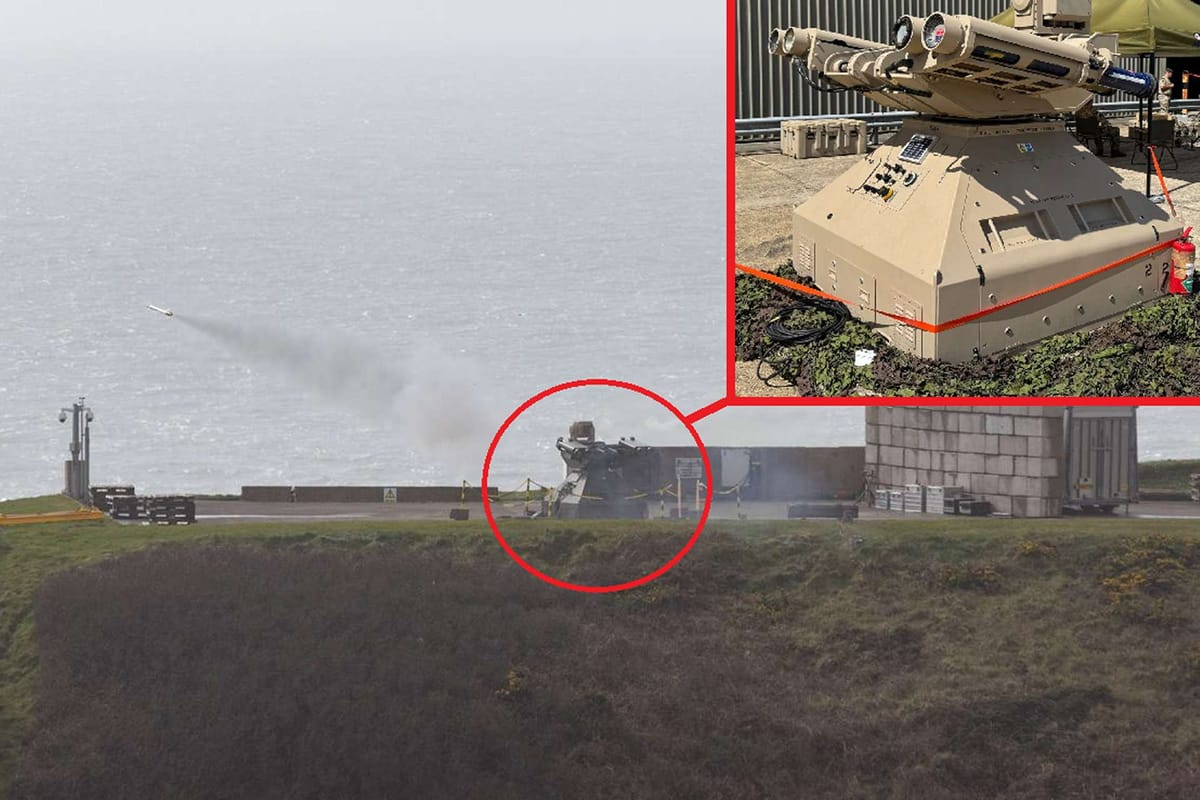
- Rapid Sentry Missile Platform
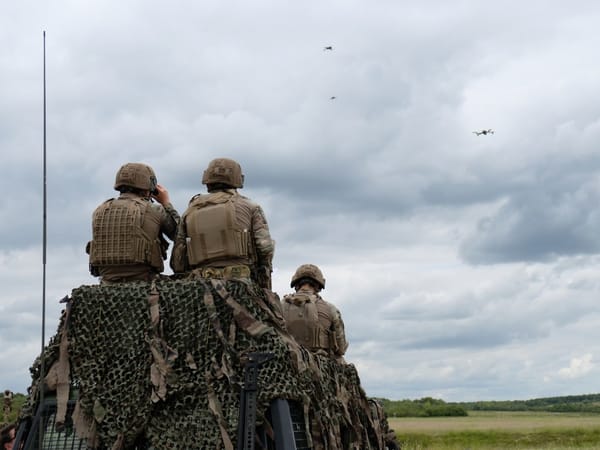
This framework equips RAF Regiment units with a comprehensive detect, disrupt, and neutralize capability actively engaged alongside U.S. and coalition forces across the Middle East. Drawing insights from operational experiences in Ukraine and other regions, this strategy is pivotal in addressing low-cost drone technologies that pose risks to military aircraft, critical infrastructure, and aircraft sortie generation.
Operational Significance
The emphasis of this counter-drone initiative extends beyond mere drone neutralization, focusing instead on maintaining air operations, safeguarding stationary aircraft, and ensuring the sustained usability of coalition airfields under persistent Unmanned Aerial System (UAS) threats. This represents a substantial operational evolution, underpinned by robust tactical frameworks demonstrated in recent Middle Eastern deployments.
Layered Defense Architecture
1. Detection: ORCUS
The cornerstone of the RAF’s counter-drone setup is the ORCUS detection system. Its effectiveness is integral, as decisions rely heavily on rapid classification and target accuracy. The system integrates:
- Radar Systems
- Radio-Frequency (RF) Detection
- Ultra-Long-Range Thermal Imaging
These technologies collectively yield a comprehensive air picture around an airbase, enabling operators to discern between drone activities—ordinary observation versus potential direct attacks. This tactical clarity allows for timely and proportionate responses, minimizing unnecessary expenditure of resources. In practical applications, ORCUS emphasizes streamlining the kill chain, aiming to avoid premature missile launches on non-threatening aerial activities while facilitating immediate, well-informed responses.
2. Disruption: NINJA
The NINJA system provides a soft-kill option, enabling the RAF to neutralize threats effectively without immediate destruction. Key attributes include:
- Analysis and influence of RF links utilized by various drone models.
- Capability to interfere with or commandeer drone operation, which may force a drone to abort its mission or redirect for forensic evaluation.
This layer represents a tactical refinement in force protection, minimizing collateral damage while allowing for the preservation of vital operational resources. Despite its advantages, the RAF acknowledges that electronic countermeasures may not always be foolproof; hence, layered defense remains essential.
3. Kinetic Engagement: Rapid Sentry
When electronic interventions fail, the Rapid Sentry system acts as a kinetic fallback. This platform utilizes a radar unit paired with a launcher employing the Lightweight Multirole Missile (LMM). Key features include:
- Speed: Exceeding Mach 1.5
- Range: Over 6 kilometers
- Guidance: Laser beam-riding for enhanced precision
Rapid Sentry delivers a targeted last-resort option for neutralizing drones that manage to evade detection or disruption measures. It underscores the RAF Regiment’s proactive approach to maintaining mission continuity in the face of evolving threats.
Allied Integration and Increased Capability
Integral to the success of the RAF’s counter-drone framework is the system’s interoperability with allied nations. Regular integration in training exercises enhances coordination, facilitates information sharing, and fosters a cohesive air picture during operations. Recent deployments confirm collaboration with U.S. forces and other coalition partners, further emphasizing the UK’s commitment to a multilayered counter-UAS strategy.
Strategic Implications
The RAF is advancing towards a comprehensive counter-drone approach characterized by the principles of broad detection, economical disruption, and selective destruction. This model mitigates risks associated with missile resource depletion while ensuring ongoing utilization of critical air assets. However, challenges persist, notably the need to scale this defense architecture to address larger waves of drone attacks, mixed autonomous threats, and saturation tactics increasingly observed across multiple theaters of operation. The RAF Regiment’s layered model exemplifies a robust response to modern aerial threats, illustrating a commitment to safeguarding airbases as an essential operational requirement in contemporary warfare. Source link