Overhaul of USS Boise Concludes Amid Budget Challenges

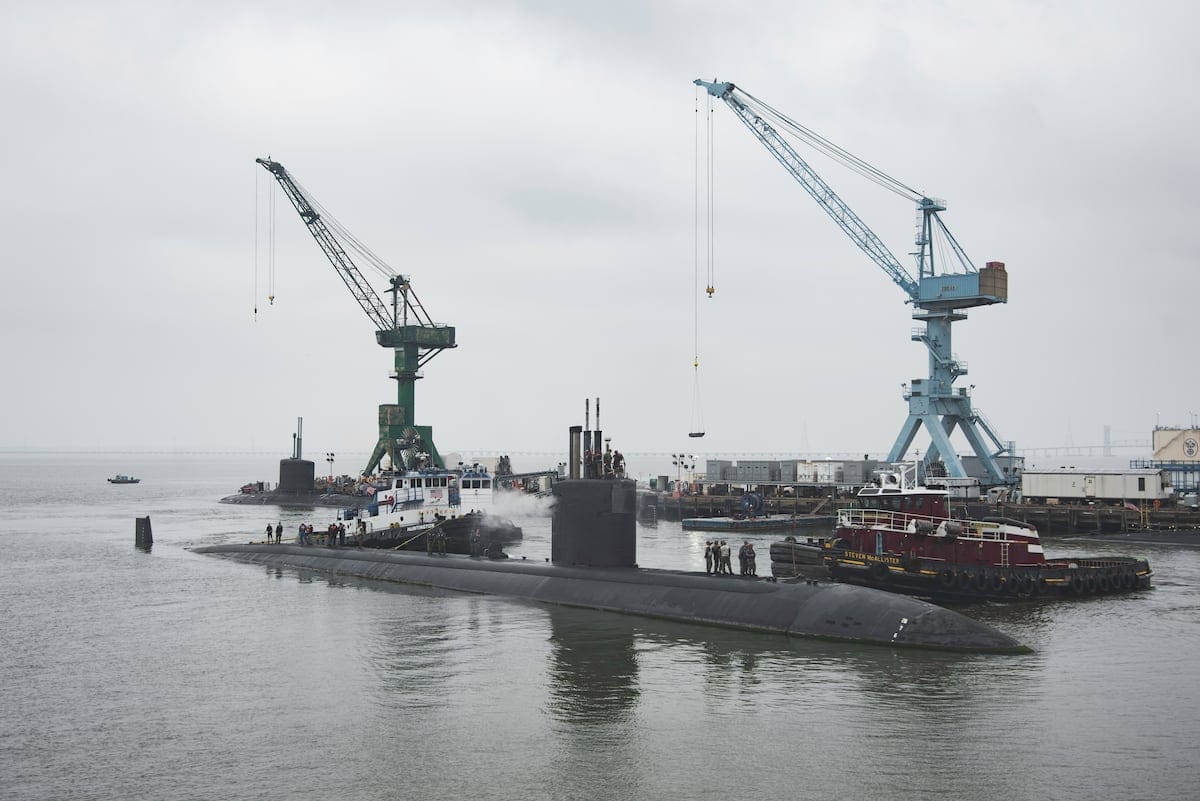
USS Boise Maintenance Overhaul Ends After Cost Overrun
The U.S. Navy has officially concluded the maintenance overhaul of the USS Boise, a Los Angeles-class submarine, which commenced in 2024 with an initial budget of $1.2 billion. The decision to end the overhaul arose as costs continued to escalate, raising concerns about budget management and resource allocation within the Navy's operational framework.
This maintenance cycle was intended to extend the submarine’s operational life and enhance its capabilities in a rapidly evolving maritime threat environment. However, the significant increase in costs has prompted scrutiny regarding the Navy's procurement practices and the challenges of managing extensive maintenance schedules on aging platforms. As the Navy grapples with fiscal constraints, the outcome of the Boise’s overhaul could signal broader implications for future submarine maintenance projects and readiness.
Context and Implications
The USS Boise's overhaul serves as a case study in the complexities of maintaining older naval assets within the U.S. fleet. With the increasing demand for advanced submarines and the rising costs of maintenance, analysts are questioning whether the Navy will need to reevaluate its current fleet strategy. Moreover, the challenges faced during the Boise's maintenance could lead to potential delays in the operational readiness of other submarines undergoing similar overhauls.
This situation underscores the necessity for enhanced planning and budgeting practices as the Navy aims to ensure that its fleet remains capable of meeting contemporary security challenges. The implications of these budgetary issues extend beyond the Boise itself, potentially affecting fleet readiness and strategic deterrence capabilities. As the Navy faces pressures from both state actors and non-state threats, efficient resource management will be critical for maintaining operational superiority.
Sources: Defensenews