Pakistan Conducts Airstrikes Targeting Militants in Eastern Afghanistan

Recent Airstrikes by Pakistan
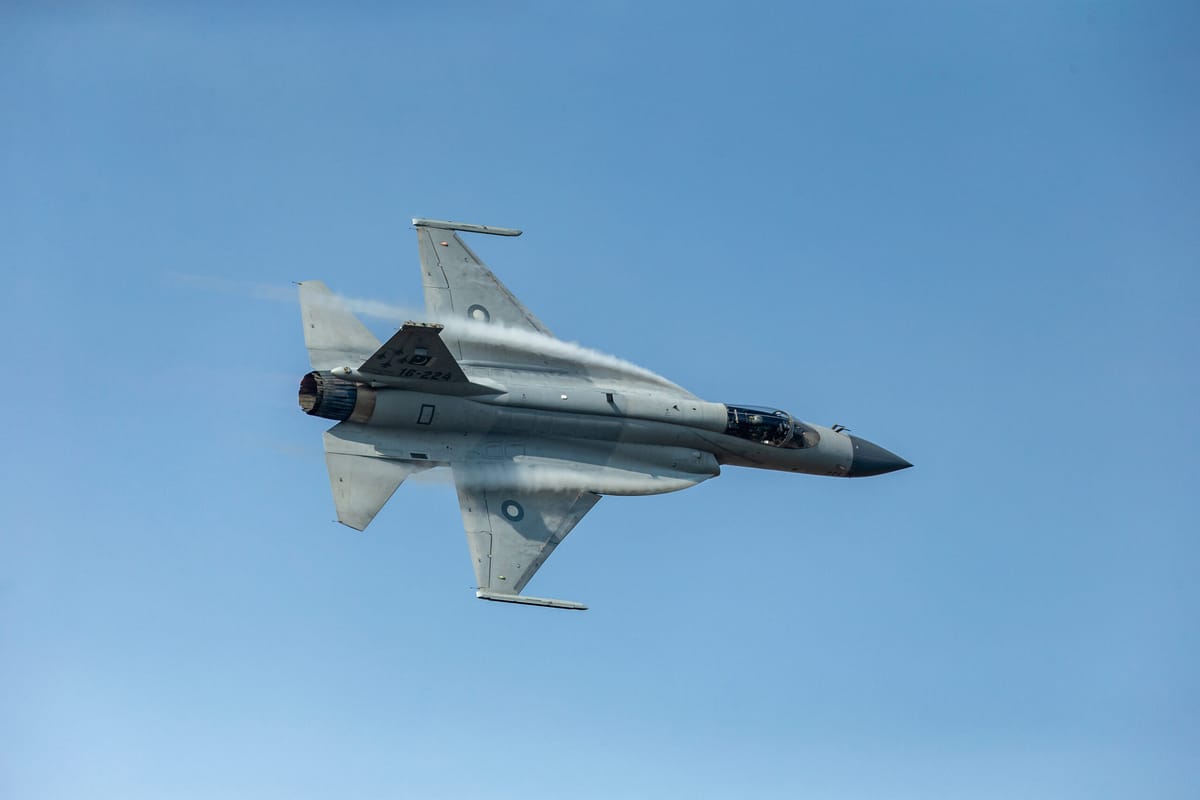
In a significant military action, Pakistan conducted airstrikes overnight in eastern Afghanistan. The airstrikes, according to Islamabad, were aimed at targeting militants operating in the region. This operation underscores the ongoing tensions and security challenges faced in the border areas between Pakistan and Afghanistan.
Context and Analysis
The airstrikes come amidst a complex security landscape in Afghanistan, where various militant groups continue to exert influence and operate across porous borders. Pakistan's military operations are often aimed at mitigating threats posed by these groups, which Islamabad claims use Afghan territory as a launching pad for attacks within Pakistan. This latest action highlights the fragile security situation in Afghanistan following the U.S. withdrawal and the Taliban's resurgence. Analysts note that these strikes could be part of a broader strategy by Pakistan to assert control and counteract perceived threats.
The implications of these airstrikes extend beyond immediate military objectives. With the regional dynamics in flux, there is a potential for increased tensions between Islamabad and Kabul, particularly if civilian casualties occur or if the Taliban perceives the strikes as an infringement on its sovereignty. Furthermore, the international community will be closely monitoring the aftermath of these operations, as they may affect diplomatic relations and stability in the region.
The developments raise the question of how Pakistan's military strategy will evolve in response to the changing situation in Afghanistan. As Islamabad continues its operations against militants, the potential for retaliatory actions or escalated conflict remains a concern for both regional and global security stakeholders.
Sources: Thedefensepost, Devdiscourse, Radio Free Europe/Radio Liberty, ODISHA RAY, and Defence Security Asia