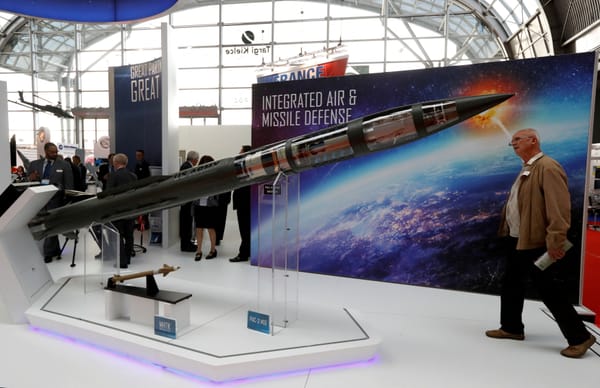
Pakistan Enhances Long-Range Strike Capability with Fatah-3 Cruise Missile

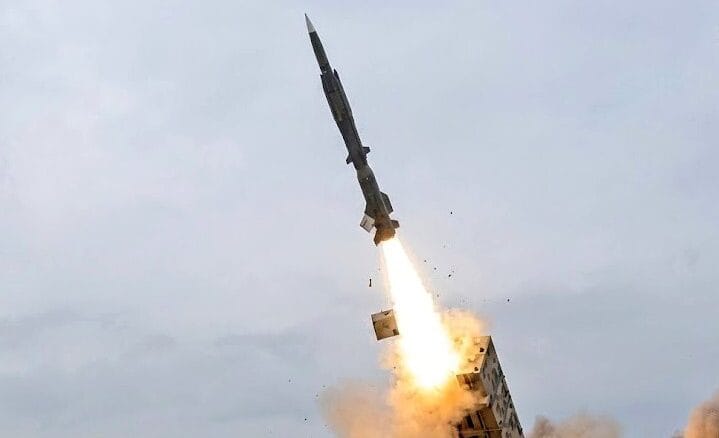
Pakistan's New Missile Development
In a significant development for its military capabilities, the Pakistan Army has unveiled the Fatah-3, a supersonic cruise missile believed to be derived from China's HD-1 missile family. This new system is expected to enhance Pakistan's long-range strike capabilities, reflecting ongoing efforts to modernize its arsenal.
Context and Analysis
The introduction of the Fatah-3 aligns with Pakistan's strategic objectives to improve its deterrence posture in the region. The missile's supersonic speed and advanced design suggest it could engage targets effectively, posing challenges for regional adversaries. Given the Fatah-3's origins in the Chinese HD-1, this development also highlights the growing military cooperation between Pakistan and China, particularly in missile technology.
As Pakistan continues to develop advanced military hardware, analysts will be closely monitoring how this missile fits into the broader context of regional security dynamics. The Fatah-3 may not only influence Pakistan's military strategy but also provoke responses from neighboring countries, particularly India, which may seek to counter this enhancement in Pakistan's capabilities.
Why it matters: The unveiling of the Fatah-3 could escalate the arms race in South Asia, as countries adjust their defense postures in response to perceived threats. This situation raises important questions about stability in the region and the potential for increased military expenditures by Pakistan's neighbors. As such, defense professionals should keep an eye on future developments related to this missile and its implications for regional security.
Sources: Thedefensepost, The Defense Post, The Defence Blog, Asia Times, and MSN