Pentagon Task Force to Deploy AI-Powered Unmanned Aerial Systems for Drone Capture

Deployment of Advanced Counter-Drone Technology by JIATF-401
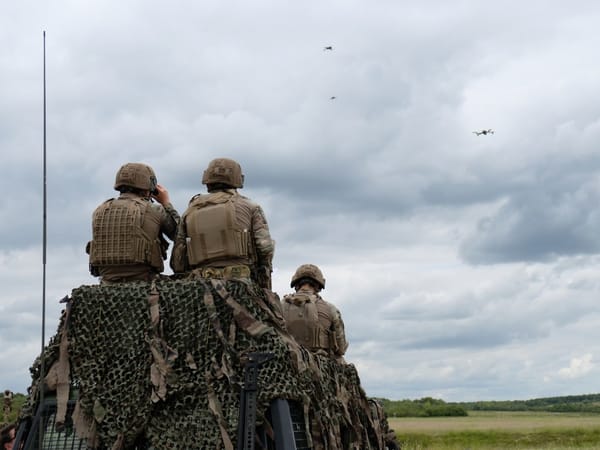
The Pentagon’s Joint Interagency Task Force 401 (JIATF-401) is set to enhance its counter-drone capabilities with the introduction of innovative technology designed to neutralize unauthorized unmanned aerial vehicles (UAVs). This initiative reflects an increasing priority on airspace security across military installations.
Acquisition of DroneHunter F700 Systems
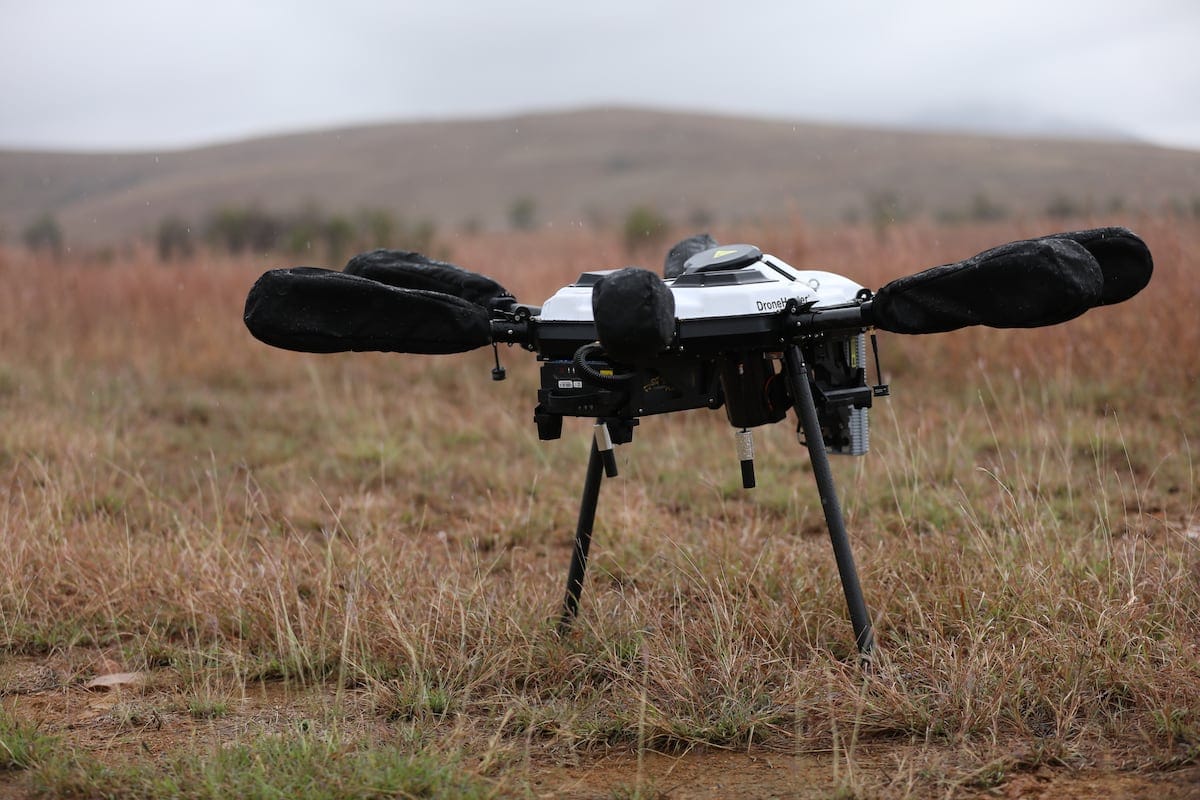
On Sunday, JIATF-401 disclosed a significant procurement: a contract for two advanced DroneHunter F700 systems, developed by Fortem Technologies. This acquisition aligns with the Pentagon’s broader objective of fortifying defense mechanisms against small UAVs.
- Key Specifications of DroneHunter F700:
- Lightweight and agile system employing artificial intelligence and radar technologies.
- Capable of autonomously identifying, tracking, and capturing drones utilizing an expanding net mechanism.
- Versatile enough to apprehend not only lightweight quadcopters but also larger Group 2 UAVs, including small fixed-wing aircraft, via nets equipped with parachutes (drogues).
Operational Autonomy and Coordination
The DroneHunter systems are designed for full autonomy, allowing them to operate individually or collaboratively with multiple units. This flexibility enhances airspace surveillance, enabling proactive responses to potential aerial threats.
Integration with Replicator 2 Initiative
The contract reinforces the objectives of the Pentagon’s Replicator 2 initiative, which is committed to augmenting defensive strategies against small drones. Army Brig. Gen. Matt Ross, the director of JIATF-401, emphasized the importance of this acquisition: “Our singular measure of success is to equip our warfighters with cutting-edge counter-UAS capabilities, ensuring security at home and abroad.”
Streamlining Counter-Drone Defense Across Military Installations
JIATF-401 is actively working to centralize counter-drone defense efforts across all U.S. military bases. In collaboration with installation commanders, the task force is dedicated to ensuring personnel and facilities are comprehensively safeguarded against the increasing threat posed by UAVs. This strategic move not only enhances operational readiness but also serves to optimize resource allocation and defense mechanisms against burgeoning drone technology. The steps being taken by JIATF-401 represent a critical evolution in military capabilities, aligning with contemporary security challenges in an increasingly drone-laden environment.