Pentagon Allocates $1 Billion to L3Harris Spin-Off Rocket Propulsion Company

L3Harris and the Pentagon: A Transformative Investment in Solid Rocket Motor Production
On October 31, the U.S. Department of Defense (DoD) announced a groundbreaking initiative, committing $1 billion to bolster L3Harris Technologies’ solid rocket motor manufacturing capabilities. This unprecedented collaboration marks a significant shift in how the Pentagon approaches its procurement strategies, focusing on direct investments in key suppliers.
Key Developments in Missile Solutions
As part of this strategic partnership, L3Harris will separate its Missile Solutions division into an independent entity. This restructuring follows the firm’s acquisition of Aerojet Rocketdyne earlier this year, which sought to enhance its footprint in defense propulsion systems. The Pentagon aims for this investment to facilitate the expansion of production for critical missile systems, including:
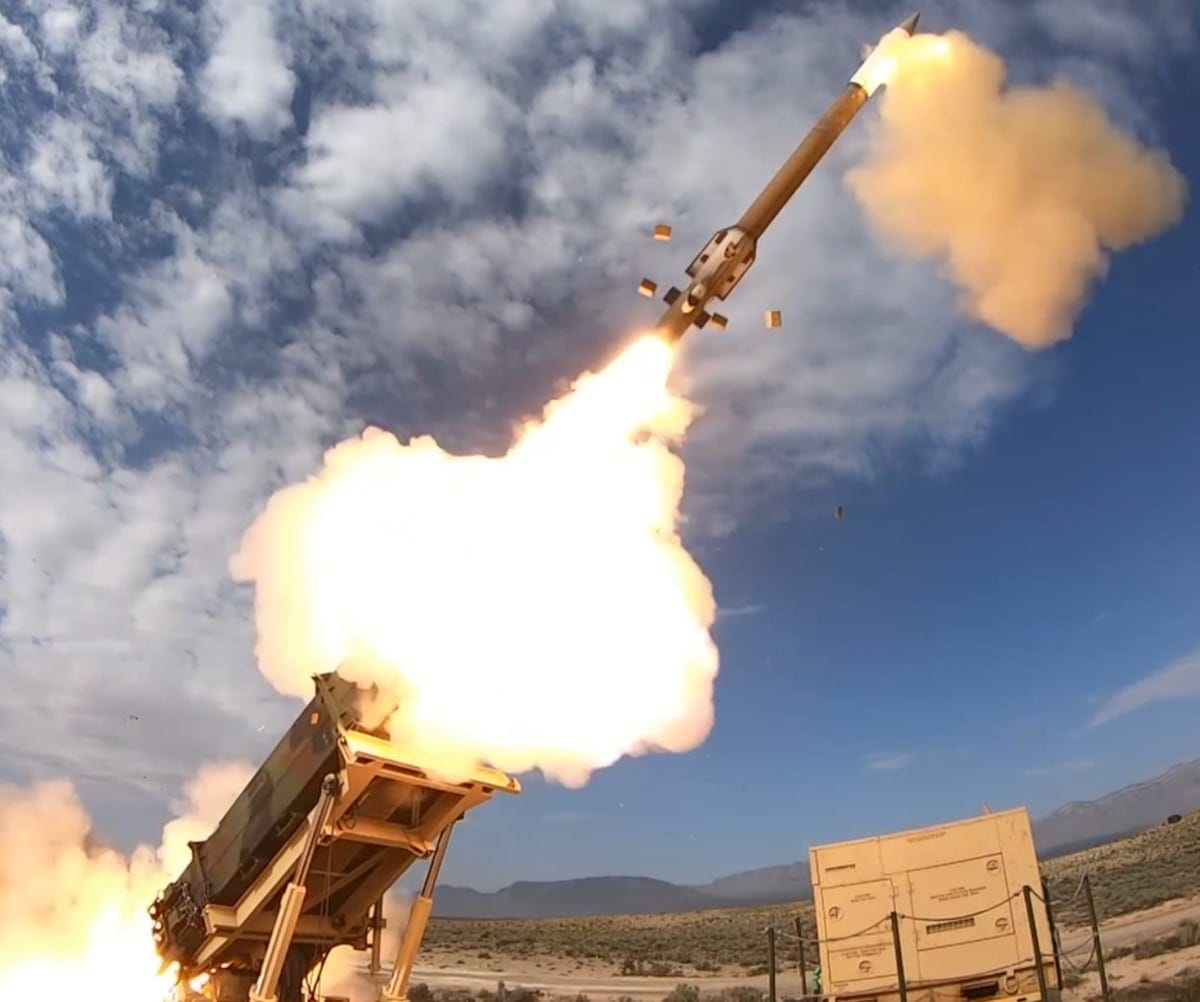
- Army: PAC-3 (Patriot Advanced Capability)
- Army: THAAD (Terminal High Altitude Area Defense)
- Navy: Tomahawk
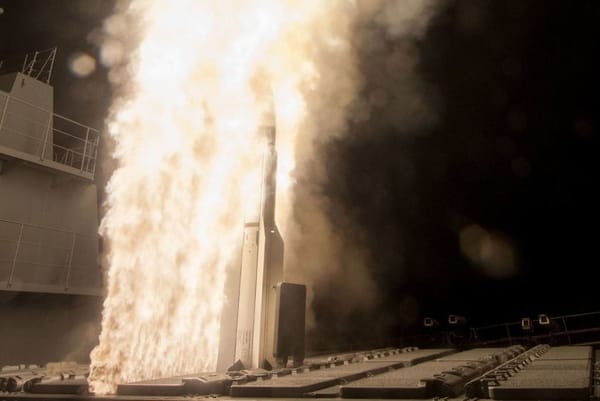
- Navy: Standard Missile
The Pentagon’s financial injection is expected to provide immediate liquidity and stability for the newly established Missile Solutions company, enabling it to modernize facilities and enhance industrial resilience. This direct-to-supplier model is intended to allow both the DoD and L3Harris to negotiate multiyear procurement agreements, thereby streamlining the acquisition process.
A Shift in Acquisition Strategy
Defense Secretary Pete Hegseth’s new acquisition transformation strategy emphasizes direct engagement with critical suppliers to reduce both costs and lead times. “We are fundamentally reconfiguring our approach to securing the munitions supply chain,” stated Michael Duffey, the Undersecretary of Defense for Acquisition and Sustainment. This initiative reflects a broader aim to replenish military stockpiles and fortify U.S. deterrence capabilities by ensuring the availability of essential components.
L3Harris also recognized that this collaboration will significantly enhance its capacity to produce solid rocket motors, a demand that has surged in recent years due to global conflicts, including the ongoing war in Ukraine. The strain on the defense industrial base has underscored the urgent need for expanded military production capabilities.
Accelerating Production Capacity
Previously, L3Harris invested $4.7 billion to acquire Aerojet Rocketdyne and has already commenced the construction of four new solid rocket motor production facilities in Camden, Arkansas. Even though this latest deal quadruples the previous investment amounts, it represents a pivotal moment in how the U.S. military addresses production challenges.
The Pentagon’s commitment positions it as the anchor investor in the new Missile Solutions entity, utilizing funds from its Industrial Base Analysis and Sustainment authority. An initial public offering for the spinoff is anticipated in the latter half of 2026, with L3Harris planning to maintain a controlling interest in the operation.
Strategic Implications of the Spin-Off
While L3Harris views this separation as a pathway towards modernizing its trajectory in rocket technology, concerns persist about market viability and operational management. Experts like Bryan Clark from the Hudson Institute highlight potential risks associated with this model, questioning whether the new Missile Solutions company can thrive independently.
- Advantages:
- Bolsters supply chain resilience.
- Strengthens U.S. defense capabilities.
- Adapts to evolving military demands.
- Potential Concerns:
- Market dependency on fluctuating demand.
- Management and talent retention during the transition phase.
- Competitive implications for current suppliers.
With the market for solid rocket motors dwindling in the past couple of decades—shrinking from six key producers in the 1990s to just two—this initiative aims to return a specialized focus to rocket propulsion. The evolving demand signal for munitions presents a new opportunity for a standalone entity to thrive.
A Cautious Future
Questions linger about the sustainability of the new Missile Solutions firm as demand potentially fluctuates. Clark raised concerns about whether this independent manufacturer can navigate the challenges that previously plagued the older rocket companies. Speculation remains around the inherent risks of “whipsawing” between periods of high and low demand, which could complicate future investments.
L3Harris executives, including CEO Chris Kubasik, emphasize the importance of accelerating the industrial base to align with national security needs. The company’s management will largely remain intact during the transition, indicating continuity in operational strategy amid significant structural changes.
This partnership represents a notable evolution in Pentagon-acquisition policies and underscores the ongoing efforts to revitalize America’s defense industrial base at a time of escalating global uncertainty. As this initiative unfolds, stakeholders will be closely monitoring its impact on both the munitions landscape and broader strategic defense objectives.