Pentagon Chief Urges Increased Defense Spending Among Allies Amid China's Military Buildup

Concerns Over China's Growing Military Power
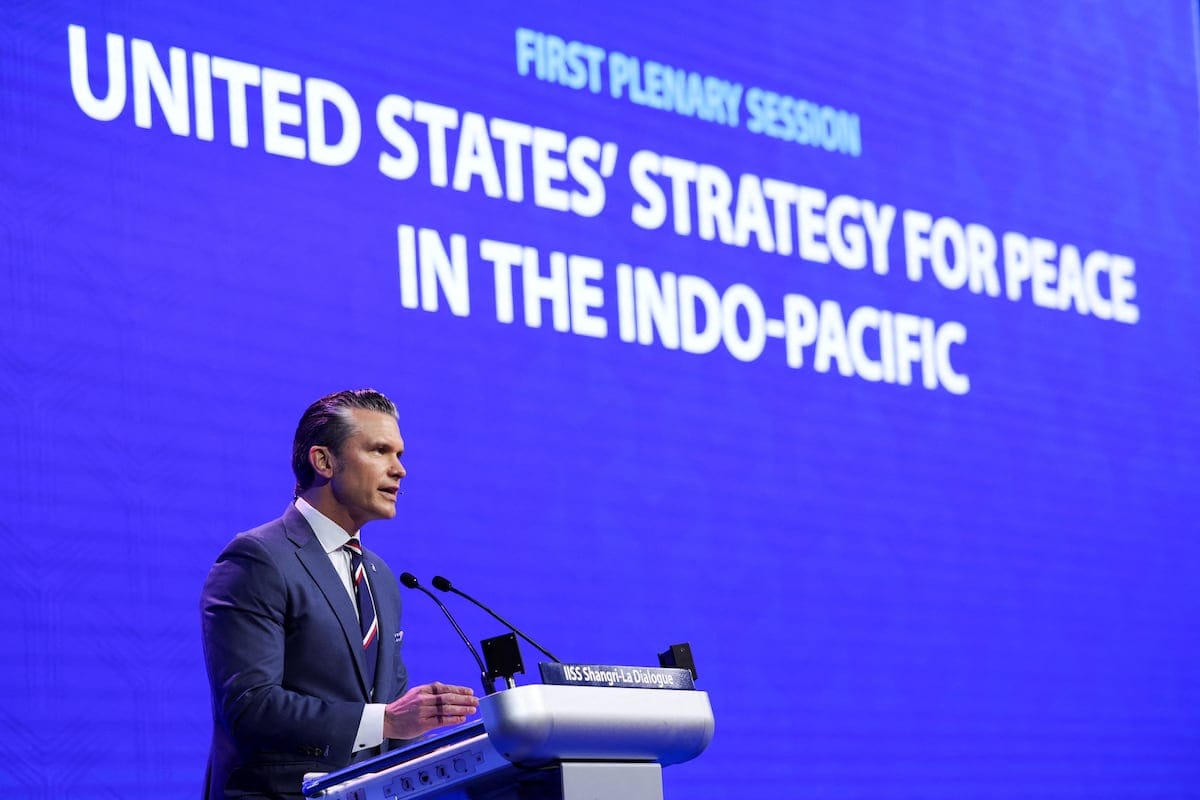
In a recent address, Pete Hegseth, the sitting US Secretary of Defense, raised significant concerns regarding China's military expansion, urging Asian allies to enhance their defense budgets. This call to action comes at a time when tensions in the Indo-Pacific region are escalating, necessitating a robust response from allied nations.
The emphasis on increased military spending reflects a broader strategy aimed at countering Beijing’s assertive posture and growing influence. Hegseth's remarks highlight the urgency for regional partners to invest more in their defense capabilities, reinforcing the shared commitment to maintain stability and security in the face of potential threats. As China continues to modernize its military forces and expand its reach, the implications for balance of power in Asia are profound.
Strategic Implications for Regional Security
Hegseth's warning underscores the necessity for a unified front against potential aggression. The call for enhanced defense spending is not merely a recommendation; it serves as a crucial reminder of the shifting geopolitical landscape. Increased military capabilities among allies could deter adversarial actions and strengthen collective defense frameworks in the region. Furthermore, this approach aligns with ongoing discussions within NATO and other alliances about burden-sharing and cooperative security measures.
This raises the question of how individual nations within the region will respond to this call for increased spending. Analysts will be watching closely to see if countries such as Japan, South Korea, and Australia will heed the advice and allocate more resources to their defense sectors. A coordinated effort to bolster military readiness could significantly alter the strategic dynamics in the Indo-Pacific, fostering a more resilient alliance against challenges posed by China.
Sources: Defensenews, Reuters, DW.com, BBC, and WUFT