Philippine Exercise Highlights Marine Littoral Regiment's Operational Growth

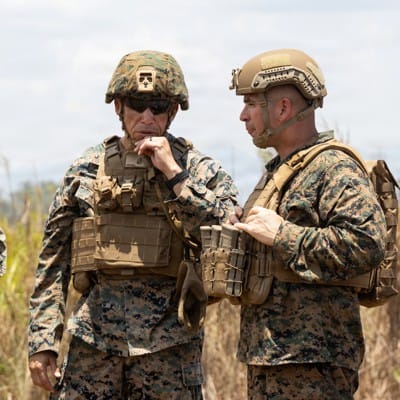
Showcasing Capabilities in the Philippines
In a recent military exercise conducted in the Philippines, the 3rd Marine Littoral Regiment (MLR) demonstrated its operational capabilities and readiness. Colonel Gabe Diana remarked that the regiment performed "exactly what it was designed to do," underscoring the effectiveness of their training and strategic focus. This exercise serves as a critical assessment of the MLR's ability to operate in joint environments, particularly in the Indo-Pacific theater.
Context and Strategic Implications
The Marine Littoral Regiments have been established to enhance the United States Marine Corps’ ability to respond to emerging threats in contested maritime environments. The exercise in the Philippines is part of a broader strategy to strengthen partnerships with regional allies and to enhance deterrence against potential aggression in the South China Sea and surrounding areas. The emphasis on joint exercises reflects a commitment to adaptive strategies that address evolving threats in a rapidly changing security landscape.
Furthermore, the involvement of US forces in exercises with Philippine counterparts signifies a deepening military cooperation that aligns with geopolitical interests in the region. Such partnerships are vital for promoting stability and ensuring freedom of navigation in critical waterways. The successful execution of the recent drill not only validates the MLR's operational readiness but also reinforces the United States' position as a proactive security partner in the Indo-Pacific.
Why it Matters: The implications of the 3rd MLR's performance in this exercise are significant for future US military engagements. As tensions rise in the region, analysts will be watching how these exercises contribute to the overall strategic posture of the United States and its allies. The effectiveness displayed by the MLR could lead to increased investment in similar capabilities across the armed forces, ensuring the US remains a formidable presence in the Indo-Pacific and capable of addressing potential threats in collaboration with regional partners.
Sources: Defenseone, pacom.mil, USNI News, SLDinfo.com, and The Manila Times