Philippines to Acquire Abukuma-Class Warships from Japan

Strategic Acquisition of Naval Assets
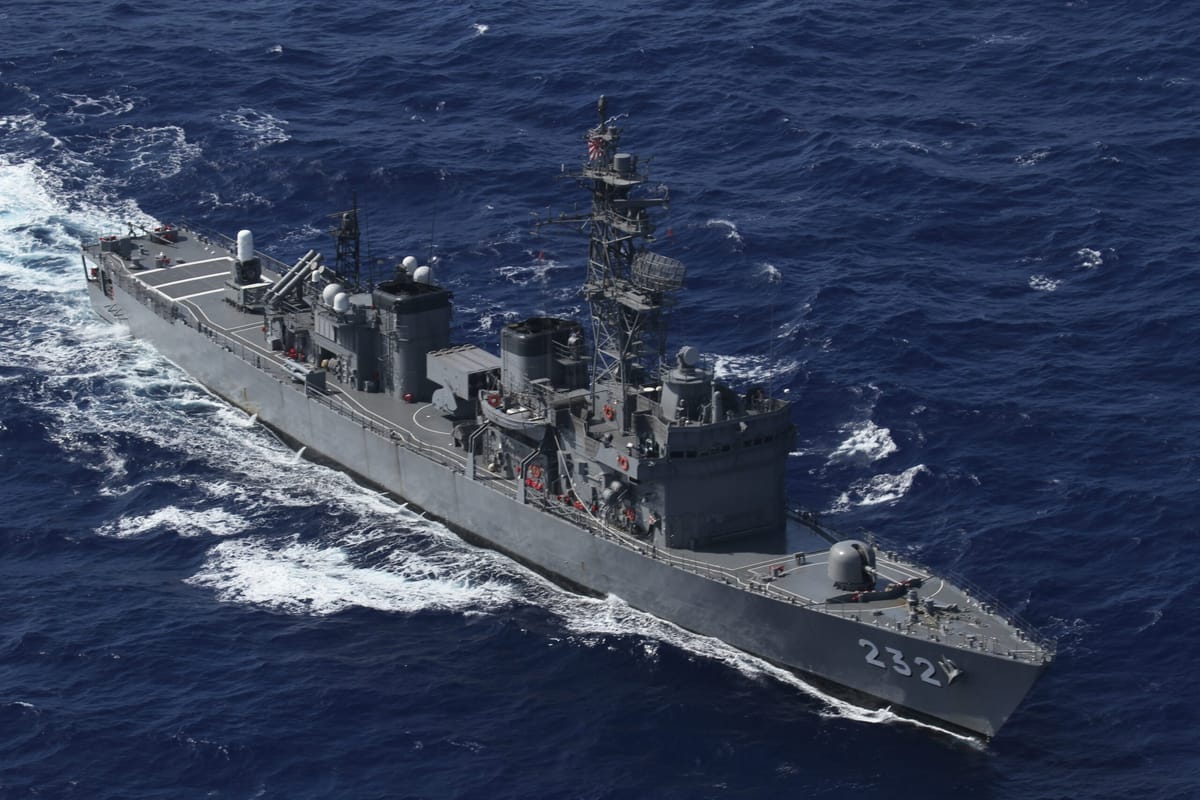
The Philippines has announced plans to acquire five decommissioned Abukuma-class destroyer escorts from the Japan Maritime Self-Defense Force. This decision, made public recently, underscores the Philippines’ commitment to bolstering its naval capabilities amid increasing regional tensions.
The Abukuma-class warships, known for their robust design and versatility, will enhance the Philippine Navy's operational capacity. This acquisition aligns with the country's broader strategy to modernize its military assets, particularly in the maritime domain, where it faces challenges related to territorial disputes in the South China Sea. The move also reflects ongoing defense cooperation between Manila and Tokyo, which has been increasingly significant in the context of regional security dynamics.
Context and Implications
This acquisition comes at a time when the Philippines is actively seeking to strengthen its defense posture against perceived threats. The Abukuma-class destroyers, with their advanced capabilities, will provide the Philippine Navy with enhanced surveillance and anti-submarine warfare capabilities. Analysts will be watching how this move impacts the balance of power in the region, especially in relation to China's naval expansion.
Moreover, this decision may encourage further military partnerships between the Philippines and other nations, potentially leading to increased joint exercises and cooperation. The implication is that the Philippines is not only aiming to fortify its own defense but is also signaling its intent to play a more prominent role in regional security frameworks.
Why it matters: The Philippines’ acquisition of these warships is a significant step in its ongoing military modernization efforts. As tensions in the Indo-Pacific continue to evolve, the Philippines' enhanced naval capabilities could serve as a deterrent against aggressive actions in the region. This development will likely affect not only Philippine defense strategies but also the broader geopolitical landscape involving key players in the Indo-Pacific.
Sources: Thedefensepost, navalnews.com, The Defense Post, Baird Maritime, and Defence Security Asia