Post-War Threat Assessment of Russia's Military Capabilities

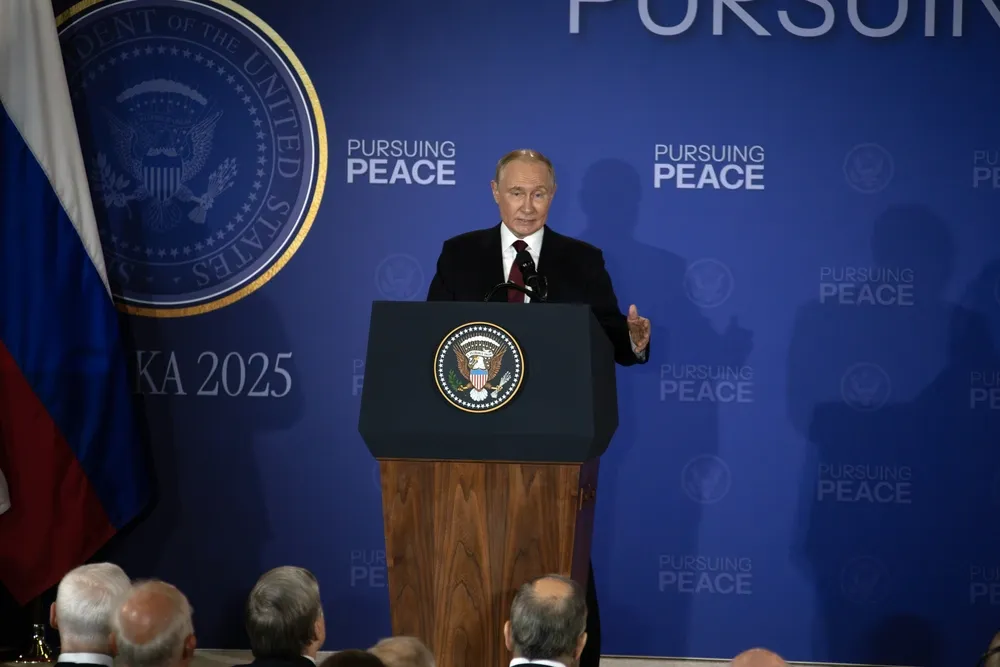
Russia's Continued Military Threat Post-Ukraine Conflict
The ongoing conflict in Ukraine raises critical concerns regarding Russia's military capabilities and intentions. As discussions about ending the war gain momentum, analysts warn that concluding the conflict under current terms could inadvertently bolster Russia's future warfighting capacity. This potential outcome poses significant risks for European security, suggesting that merely ceasing hostilities may not be sufficient to mitigate the long-term threat from Russia.
Current assessments indicate that an early resolution to the conflict could allow Russia to regroup and enhance its military capabilities at a pace that exceeds improvements in European defenses. The prospect of a stabilized Russia, with a potentially revitalized military apparatus, underscores the urgency for NATO allies and European nations to reconsider their strategic posture. The implications of this analysis suggest that Europe must remain vigilant and proactive in reinforcing its defenses, rather than relying solely on diplomatic solutions to resolve the conflict.
This assessment highlights the necessity for continuous military readiness and strategic planning among European nations. As the situation evolves, military and defense leaders will need to maintain a heightened awareness of Russia's military developments and potential ambitions. Analysts will be watching closely to determine how Russia’s military modernization might influence regional stability and security dynamics moving forward. Understanding the implications of Russia's future military posture is crucial for formulating effective defense strategies. Enhanced military preparedness and collaborative defense initiatives among NATO allies will be essential to countering any resurgence in Russian aggression, especially in a post-conflict scenario where Russia may seek to assert its influence in Europe more aggressively.
Sources: Thedefensepost, Carnegie Endowment for International Peace, European Council on Foreign Relations, European Union Institute for Security Studies |, and Council on Foreign Relations