President Trump Rules Out Nuclear Strike on Iran

Strategic Shift in U.S. Policy
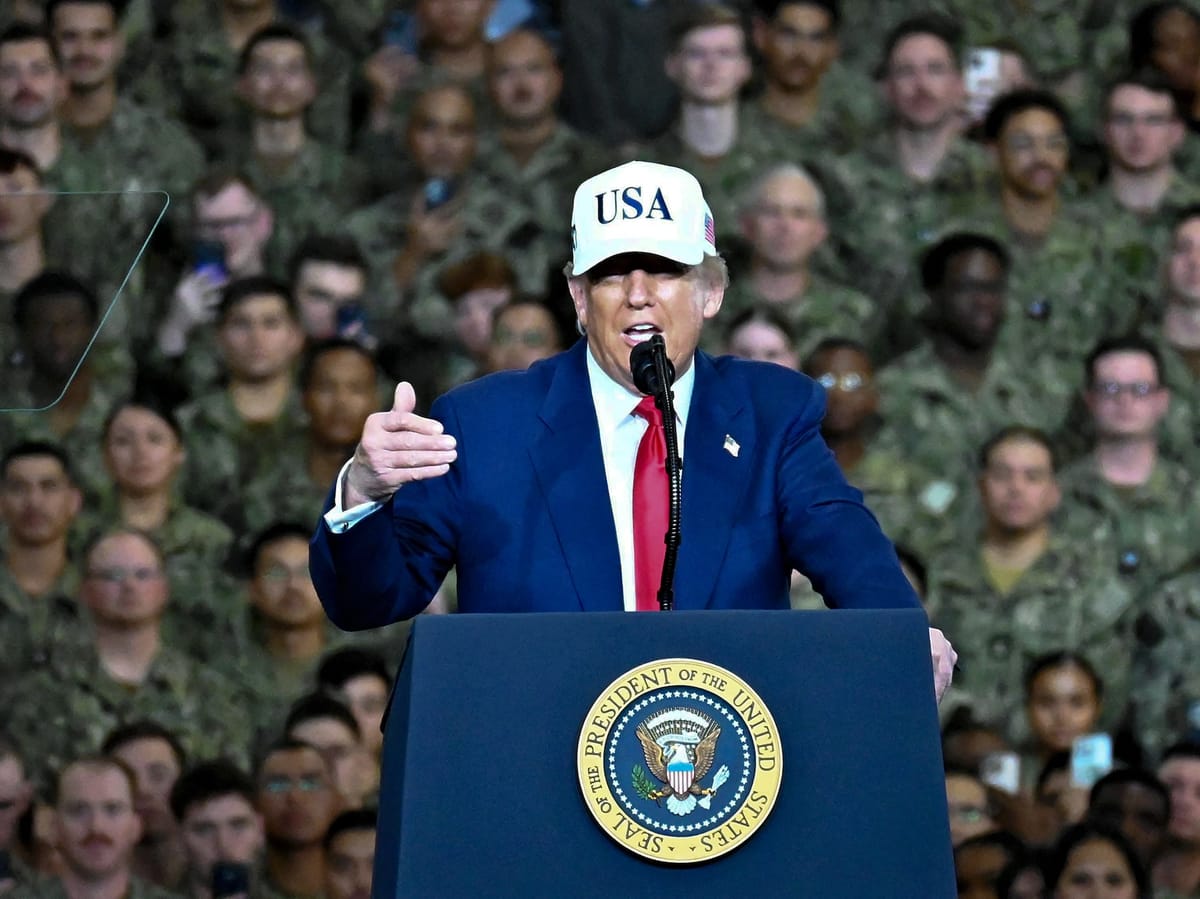
In a significant declaration on Thursday, President Donald Trump ruled out the option of using nuclear weapons against Iran, a stark contrast to his previous threats to completely destroy Iranian civilization. This announcement highlights a potential shift in the administration's approach to geopolitical tensions with Tehran, as the U.S. continues to navigate a complex landscape of regional threats and international diplomacy.
The context of this statement comes amid ongoing concerns regarding Iran's nuclear program and its influence across the Middle East. President Trump's earlier rhetoric suggested a willingness to employ extreme measures, which raised alarms among international allies and could have escalated tensions further. By publicly excluding nuclear options, the administration may be aiming to stabilize relations with other nations that are concerned about a potential conflict, as well as signal to Iran that while military options remain on the table, nuclear escalation is not being considered.
This shift in rhetoric could also reflect a calculated strategy to engage in diplomatic discussions rather than resorting to military action. Analysts will be watching closely for any subsequent moves by the Trump administration that might indicate a broader strategy regarding Iran, especially in terms of sanctions or negotiations surrounding its nuclear ambitions. The implications of this decision could reverberate through U.S. foreign policy, particularly in how it collaborates with allies in addressing Iranian activities that challenge regional stability.
Understanding this strategic communication is vital for defense professionals as it shapes the operational landscape in the Middle East. The U.S. approach to Iran will likely continue to evolve, and defense analysts must remain vigilant to assess how these developments influence regional security dynamics and U.S. military readiness.
Sources: Thedefensepost, Le Monde.fr, Anadolu Ajansı, The New York Times, and The Washington Post