Presidential Authority and Congressional Orders on Foreign Aid

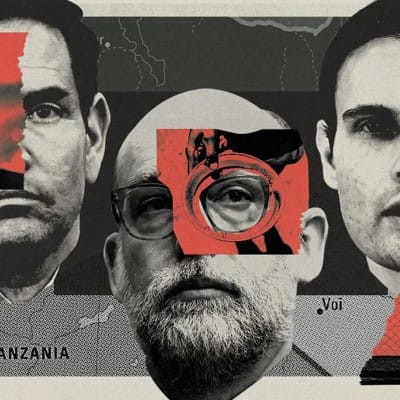
Defiance of Congressional Orders
President Trump is reportedly challenging Congress regarding foreign aid, with administration officials allegedly refusing to comply with numerous Congressional directives. This situation raises significant legal and operational questions about the balance of power within the federal government. The refusal to abide by Congressional orders is seen by some experts as a potential violation of the law, signaling a contentious relationship between the executive branch and legislative authority.
This ongoing struggle highlights the complexities of governance in a politically charged environment. The refusal to follow Congressional mandates could lead to a scenario where critical foreign aid programs are disrupted, impacting U.S. foreign relations and national security interests. As the administration navigates these challenges, the implications for both domestic and international policy may be profound.
Why it Matters
The implications of this power grab are significant for the future of U.S. foreign policy. Analysts will be watching closely to see if this trend continues, particularly as it pertains to funding for military and humanitarian assistance abroad. Should the administration persist in sidelining Congress, it could lead to an erosion of legislative oversight, prompting debates about the limits of presidential power and the role of Congress in U.S. foreign engagements. A continued standoff may provoke legal challenges and further complicate the administration's ability to implement its foreign policy agenda effectively.
Sources: Defenseone, SCOTUSblog, Center for American Progress, Council on Foreign Relations, and Democracy Docket