Project Q Develops Innovative Hydris System to Integrate Military Technologies

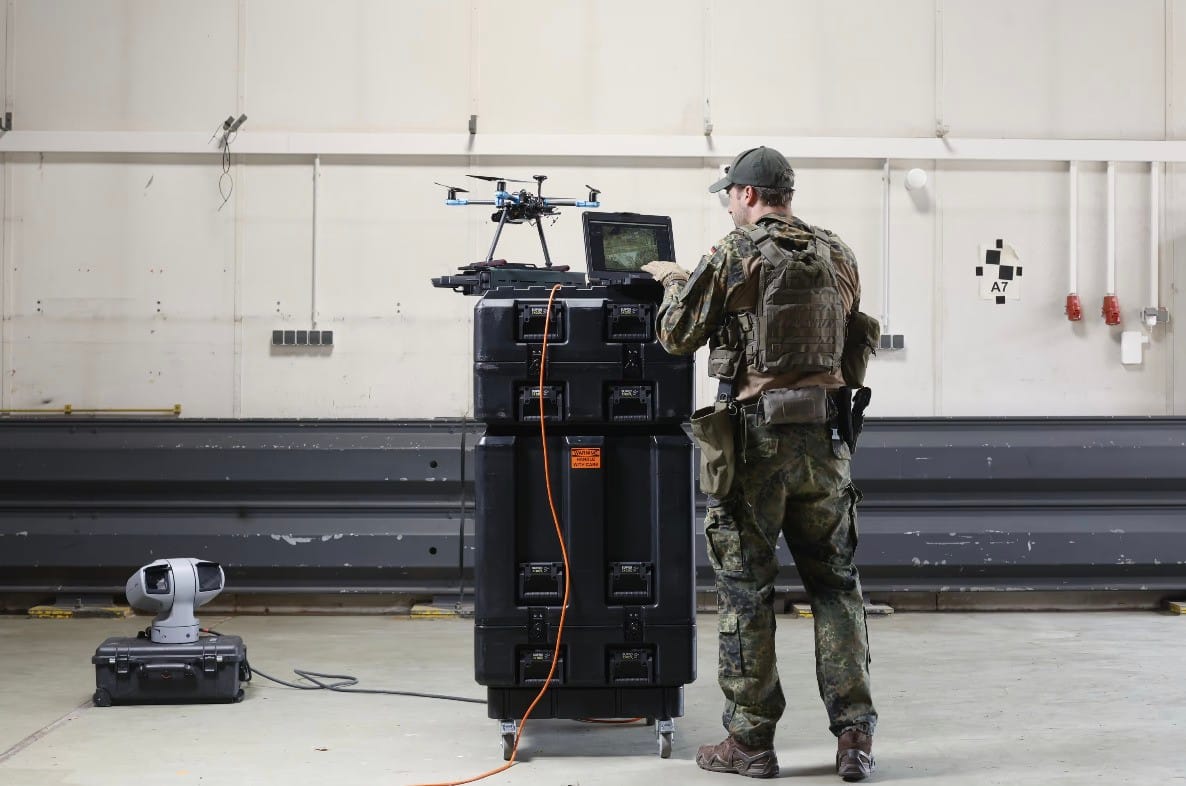
New Integration System for Enhanced Military Operations
European firm Project Q has announced the development of its Hydris system, designed to create a cohesive framework that connects drones, sensors, command-and-control (C2) systems, and effectors. This initiative aims to enhance military operations by providing a unified architecture that improves the interoperability and efficiency of various military technologies.
The Hydris system represents a significant step forward in military technology integration. By focusing on the interconnectedness of critical systems, Project Q is addressing a vital need within modern defense operations. As military engagements become increasingly complex, the ability to seamlessly connect different platforms and systems is essential for effective command and execution. The emphasis on integrating drones and sensors with C2 systems underscores a growing recognition of the importance of real-time data and situational awareness in contemporary warfare.
Implications for Future Military Engagements
This development raises the question of how enhanced connectivity between military assets can improve decision-making and operational effectiveness in the field. With the integration of various technologies, commanders will potentially have access to comprehensive operational data, facilitating quicker and more informed responses to dynamic battlefield conditions. Moreover, the emphasis on interoperability may lead to greater collaboration between allied forces, as shared systems can streamline joint operations.
As militaries around the world continue to prioritize technological advancements, Project Q’s Hydris system could serve as a model for future defense initiatives. The implications of this system extend beyond mere operational efficiency; it may redefine how military forces interact with technology and each other in high-stakes environments. Analysts will be observing how this integration impacts military strategies and the potential for similar developments in the global defense landscape.
Sources: Thedefensepost, Resilience Media, theins.press, Unmanned airspace, and INSIGHT EU MONITORING