Raytheon Reports Ongoing Rocket Motor Shortages Impacting Missile Production Capacity

Challenges in U.S. Missile Production: A Focus on Rocket Motor Shortages
Current Limitations and Future Demands
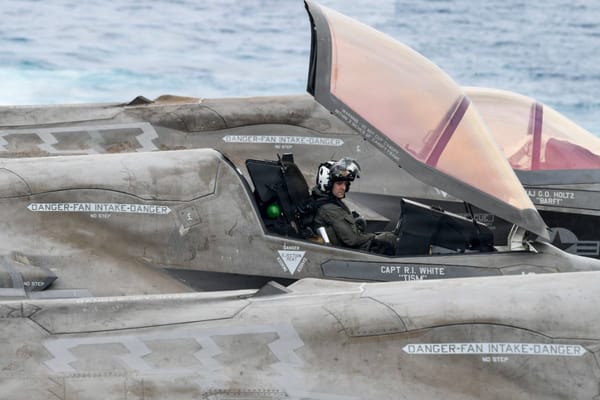
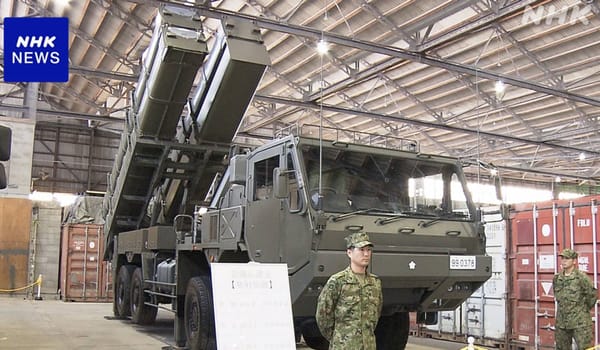
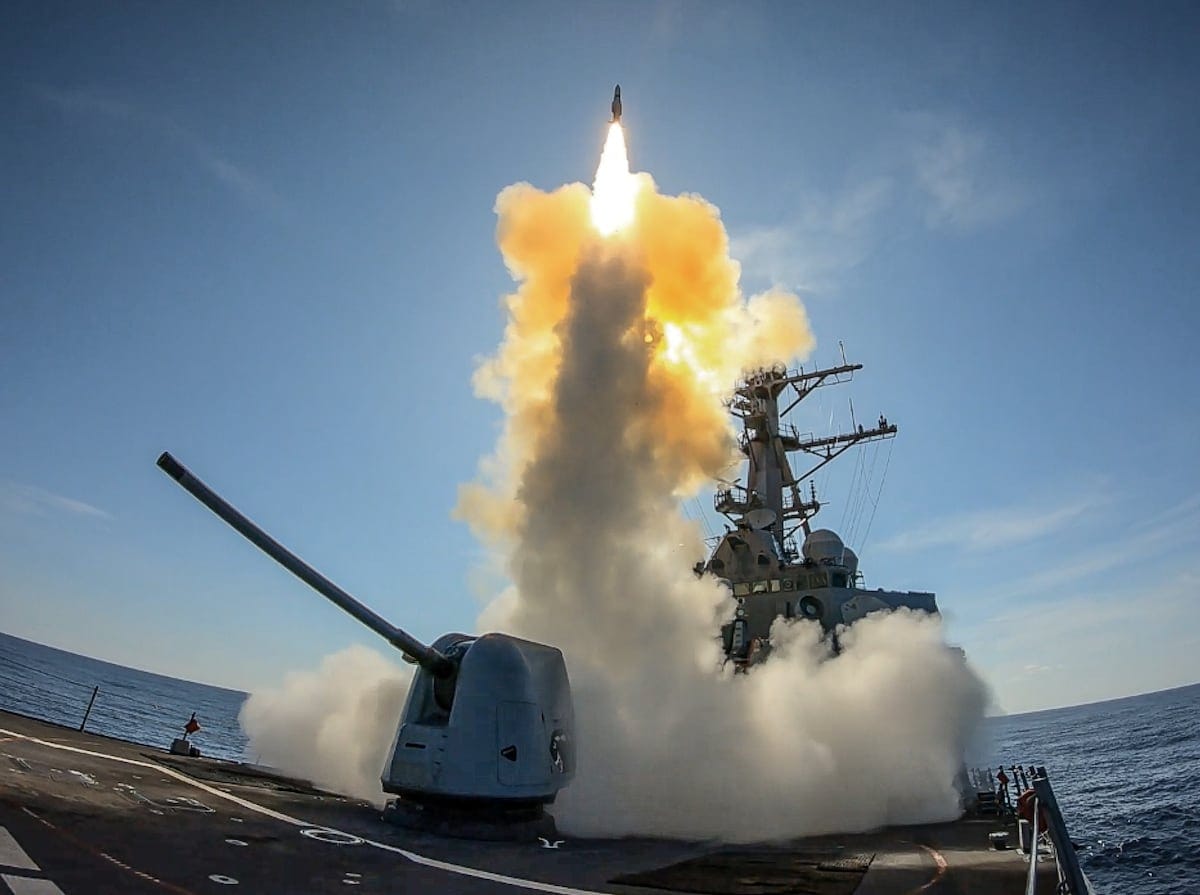
During the recent Paris Air Show, Raytheon representatives highlighted ongoing production limitations in the United States concerning certain missile technologies, primarily attributed to a significant shortage of rocket motors. These critical components are essential for various missile systems, including the SM-2 and SM-6 naval missiles and the AIM-9X Sidewinder.
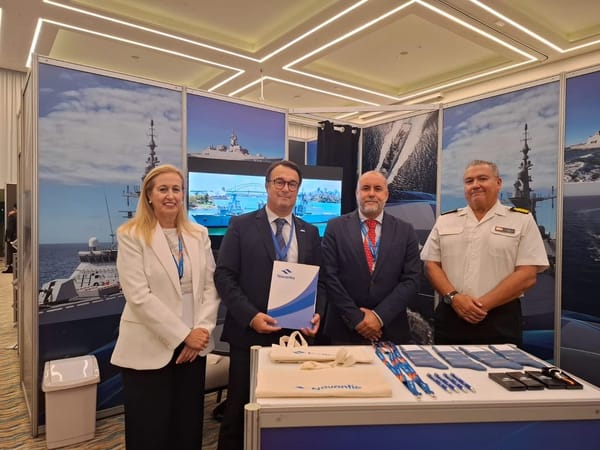
Barbara Borgonovi, the leader of Raytheon’s naval power division, detailed the concern during a press briefing, emphasizing the urgency to secure more reliable sources of rocket motors. “Our current constraints are not solely tied to present demand; rather, they signal an impending increase in future requirements,” she explained, underscoring the need for diversified supply options across multiple missile programs.
Supply Chain Challenges
The backdrop of heightened military engagements, notably in Ukraine and the Middle East, has led to a substantial depletion of missile stockpiles both for the U.S. and its allies. This situation has exacerbated existing supply chain vulnerabilities, particularly as industry consolidation over the last two decades has narrowed the domestic manufacturer base from six to two key players in the solid rocket motor market.
Key Observations:
- Increased Demand: Ongoing conflicts have amplified missile usage, placing additional pressure on supply chains.
- Limited Domestic Suppliers: The reduction in manufacturers has created bottlenecks in the supply of crucial components.
Strategic Collaborations and Investments
In response to these production bottlenecks, Raytheon is pursuing several strategic initiatives. The company is actively enhancing collaboration with current suppliers, notably Aerojet Rocketdyne—a subsidiary of L3Harris. Borgonovi reported significant progress, with Aerojet achieving production levels in 2025 that match their total output from the previous year by May.
Expanding Partnerships:
- Rocket Motors for AMRAAM and ESSM: Collaboration with Norway’s Nammo and Italy’s Avio is pivotal. Not only are they establishing U.S. manufacturing sites, but they are also playing a crucial role in ensuring a robust supply chain for missile systems like the AMRAAM air-to-air missile and the Evolved Sea Sparrow Missile (ESSM).
- Technological Innovation: Raytheon is also exploring partnerships with companies such as Ursa Major and Anduril, focusing on advanced manufacturing methodologies and new technological applications for missile systems.
The Potential for Innovation
Ongoing improvements in production capabilities could significantly enhance missile output. For example, successful tests of a long-range solid rocket motor, achieved through additive manufacturing techniques developed in collaboration with Ursa Major, have already indicated a path to lower production costs and increased efficiency.
Bullet Points:
- Growth Areas: Raytheon aims to multiply its sources for rocket motors through established partners.
- Focus on Innovation: Exploration of new design and manufacturing processes offers pathways for expanding production capacity.
Conclusion: The Path Ahead
Raytheon’s strategic focus on bolstering its supply chain for missile production is imperative for meeting both current operational demands and future military engagements. As conflicts evolve, ensuring a robust and adaptable production framework will be critical to maintaining U.S. military readiness and capabilities. The effective integration of innovative technologies and robust partnerships will likely be essential components of this framework.
In a landscape where conflict dynamics and supply challenges are in constant flux, the proactive steps Raytheon is taking today may well lay the groundwork for a more resilient defense posture for the U.S. and its allies in the future.