Recent Developments in U.S. Army Armored Vehicle Capabilities

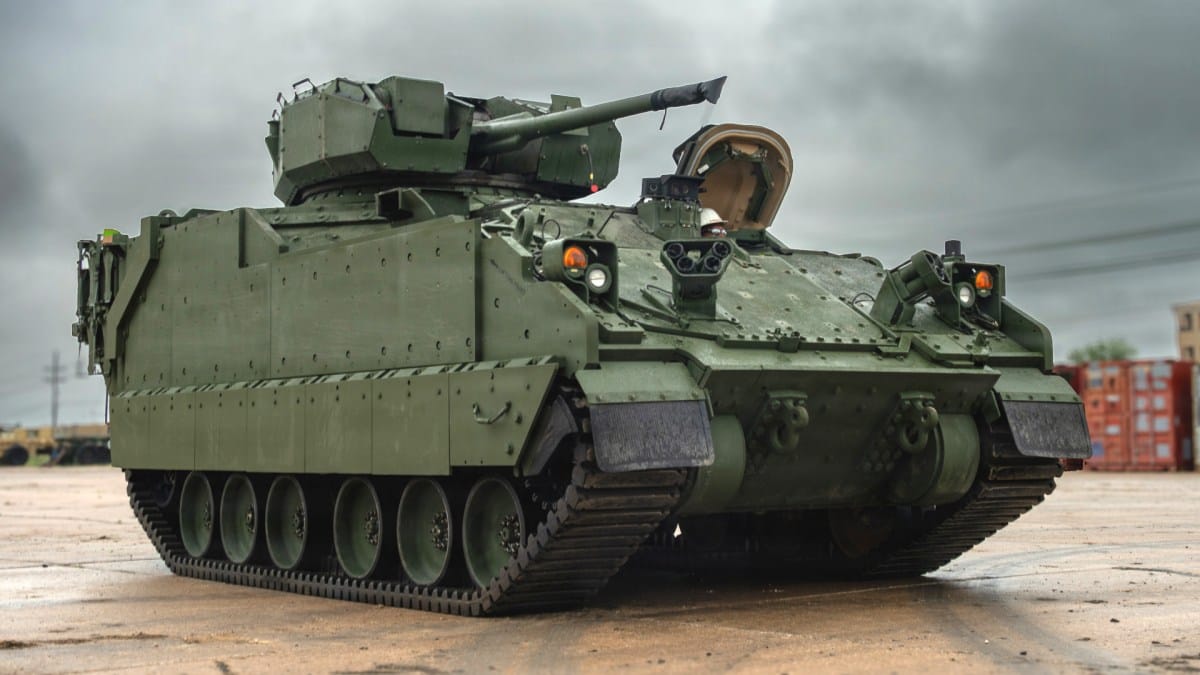
Recent activities within the U.S. Army highlight ongoing efforts to enhance armored vehicle capabilities while addressing operational readiness. Two significant developments—testing of the AMPV 30 variants and a substantial contract for Abrams tank support—offer insights into the Army's strategic focus.
What Happened
BAE Systems has delivered two AMPV 30 variants to the U.S. Army for evaluation. However, the Army has clarified that it has no immediate plans to procure this version, indicating a cautious approach to new vehicle integration. The AMPV, or Armored Multi-Purpose Vehicle, is designed to replace the aging M113 fleet, but the specific 30mm cannon variant is not currently on the Army's acquisition list.
In a contrasting move, the U.S. Army has awarded a significant $716 million contract aimed at sustaining Abrams tanks and combat engineering vehicles. This contract is expected to boost readiness and increase fleet availability, particularly for high-intensity operations. The focus on maintaining existing capabilities underscores the Army's commitment to ensuring operational effectiveness in a rapidly evolving security environment.
The Strategic Calculus
The contrasting decisions surrounding the AMPV 30 and the Abrams tank support contract reveal critical aspects of the Army's operational strategy:
- Risk Management: The decision not to pursue the AMPV 30 variant reflects a strategic risk assessment where the Army prioritizes proven systems over untested innovations.
- Operational Focus: The investment in Abrams tank support signals a commitment to maintaining and enhancing current assets rather than diverting resources to develop new platforms.
- Readiness Priority: With an emphasis on high-intensity operations, the Army seeks to ensure that its fleet is not only available but also fully capable of meeting modern combat demands.
What Comes Next
As the Army navigates these developments, analysts will be watching for several key indicators:
- The effectiveness of the AMPV 30 evaluation process and any potential future decisions regarding its procurement.
- The impact of the $716 million contract on operational readiness and how it might influence future funding allocations for armored vehicle programs.
- Overall trends in vehicle modernization efforts, especially in light of emerging threats and technological advancements.
In summary, the U.S. Army's recent activities reflect a dual approach of evaluating new capabilities while simultaneously reinforcing existing strengths. This strategic balancing act will be crucial in maintaining operational readiness in an increasingly complex global landscape.
Sources: Twz, Armyrecognition, The War Zone, Army Recognition, The Defense Post, and The Defence Blog