
Redburn Predicts European Arms Industry Growth Exceeding 10% Annually

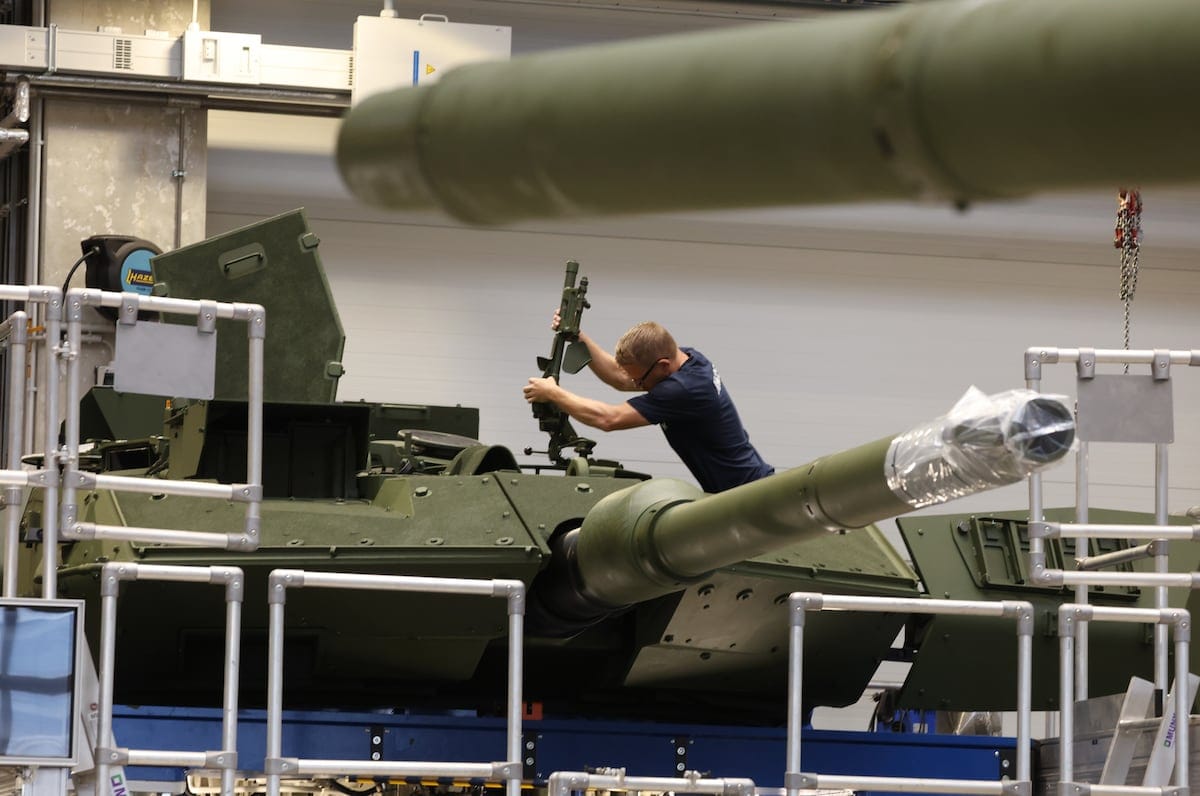
Future Trends in European Defense Spending: Implications for Industry Growth
Projected Growth Rates Amid Historical Spending Patterns
A recent analysis by Rothschild & Co. Redburn anticipates substantial growth in European defense expenditures, predicting an annual increase of 10.5% to 11.5% over the next decade. This trend is largely driven by a solid commitment from European nations to meet NATO’s 2035 defense spending benchmarks. Countries such as Germany, which have historically underfunded their military capabilities, will experience particularly rapid growth as geopolitical tensions, especially those arising from Russia, necessitate a more robust stance.
- Key Drivers of Growth:
- Increased military budgets.
- Heightened order backlogs reflecting this spending surge.
- A 19% rise in European Union defense spending to a historic €343 billion ($400 billion) in 2024.
Order Backlogs and Financial Implications
The current escalation in military budgets has resulted in a significant uptick in order backlogs, which has yet to be fully captured in the financial performance of European defense corporations. Analysts emphasize that the European defense industry’s order intake is projected to outpace its consumption rates for the foreseeable future. By 2035, defense spending is expected to constitute about 3.5% of Europe’s GDP, with 35% to 40% allocated specifically for equipment purchases.
- Projected GDP Contributions by 2035:
- Defense equipment spending anticipated to represent 1.2% to 1.4% of GDP, more than double current levels.
- A potential tripling of industry revenue as order backlogs continue to swell.
Comparisons with U.S. Defense Spending
As Europe embarks on its rearmament efforts, it is poised to “materially outgrow” U.S. defense spending, which is likely to stabilize around 1% of GDP. Between 2013 and 2021, European defense firms fulfilled approximately 34% of their backlog annually. However, this percentage is expected to drop to 30% in 2024 due to accelerated order intake. Increased production capacity will enable a return to historical fulfillment rates.
- Industry Outlook:
- Revenue for European defense firms is predicted to see compound annual growth rates of 10.5% to 11.5%.
- Increased order backlogs may raise fulfillment rates back to their historical averages.
Geographic Variations in Growth
Differences in defense spending patterns across Europe reveal that local defense companies, particularly in nations experiencing significant increases, are likely to reap the most benefits. For example, the German land-armament sector is outperforming others in terms of revenue growth.
- Performance Metrics:
- Sales growth for major German companies averaged 16% between 2020 and 2024.
- Eastern European defense firms reported an impressive 33% compound average growth rate over the same period.
Challenges to Sustained Growth
Despite the optimistic projections, several factors could impede the trajectory of European defense investments. High public debt levels in France, the United Kingdom, Italy, and Spain may constrain funding options. Additionally, support for military spending must be carefully managed, particularly when economic concerns and social welfare needs are at play.
- Concerns for Future Defense Budgeting:
- Public resistance to reallocating funds from social security to defense.
- The political landscape may shift, potentially undermining long-term defense commitments.
Global Market Dynamics and Pricing Pressures
As the conflict in Ukraine unfolds, the European defense sector faces the risk of price pressures. Should hostilities cease, a surge of battle-tested products—including drones and munitions—might flood the international market, presenting challenges for current manufacturers in Europe.
- Defensive Strategies:
- European companies are increasingly engaging in joint ventures, such as collaboration between U.S. firms like Anduril and Rheinmetall to maintain competitiveness.
Focus Areas for Future Investments
Investment priorities within the European defense arena will likely center on critical capabilities that require urgent upgrades, notably air defense systems, ground combat equipment, and innovative technologies such as counter-drone systems and deep-strike capabilities. As drone warfare continues to evolve, European nations must remain vigilant against rapid advancements in countermeasures.
- Key Investment Sectors:
- Air defense and ground armaments.
- Emerging technologies: drones and satellite systems.
The course of European military modernization in the coming years will significantly shape the defense landscape, influencing not only regional security but also the global defense industry at large.