Republicans Critique New Iran Agreement as Major Policy Misstep

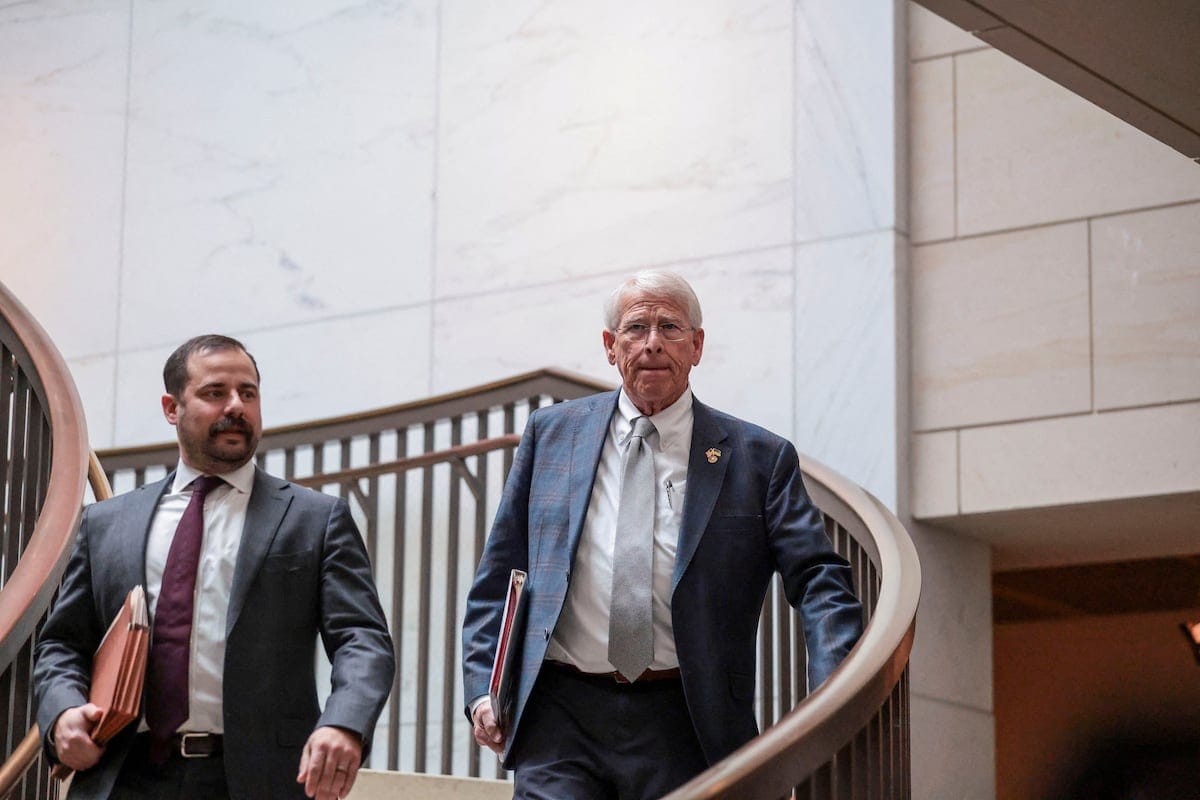
Senatorial Reactions to the Framework Pact
This week, a new framework pact concerning Iran has emerged, eliciting sharp criticism from Republican senators. One senator characterized the agreement as the “worst foreign policy blunder in decades,” indicating substantial dissatisfaction within the party regarding the terms and implications of the pact. The agreement's details remain under scrutiny, and the backlash from prominent Republican figures underscores a deeply polarized view on U.S. foreign policy regarding Iran.
The framework pact appears to have ignited a fierce debate over its potential repercussions. Critics argue that the agreement may embolden Iran's regional ambitions and nuclear aspirations, threatening stability in the Middle East. This position reflects a broader concern among Republicans about the effectiveness of diplomatic engagements with nations perceived as adversarial. The discontent is not solely ideological but also strategic, as many believe that the concessions made could undermine U.S. leverage in future negotiations.
Implications for Future U.S. Policy
As the discourse around the Iran agreement evolves, analysts will be watching closely to see how it influences the upcoming legislative agenda and U.S. foreign relations. The backlash from Republican senators could lead to intensified efforts to block or renegotiate the terms of the agreement, particularly if there is growing bipartisan alignment on the perceived risks involved. Furthermore, should the agreement be implemented without significant modifications, it may prompt a reevaluation of U.S. strategies in the region, including military and economic measures aimed at containing Iranian influence.
Such developments raise critical questions about the future of American diplomacy and its ability to navigate complex international landscapes. The implications of this agreement could resonate well beyond Iran, potentially affecting U.S. relationships with allies and adversaries alike. This situation demands close attention as it unfolds, given the significant stakes involved for U.S. national security and geopolitical stability.
Sources: Defensenews, The Hill, Al Jazeera, Reuters, and CBS News