
Rheinmetall Naval Systems Commences Production of Class 424 Intelligence Vessel Ahead of Schedule

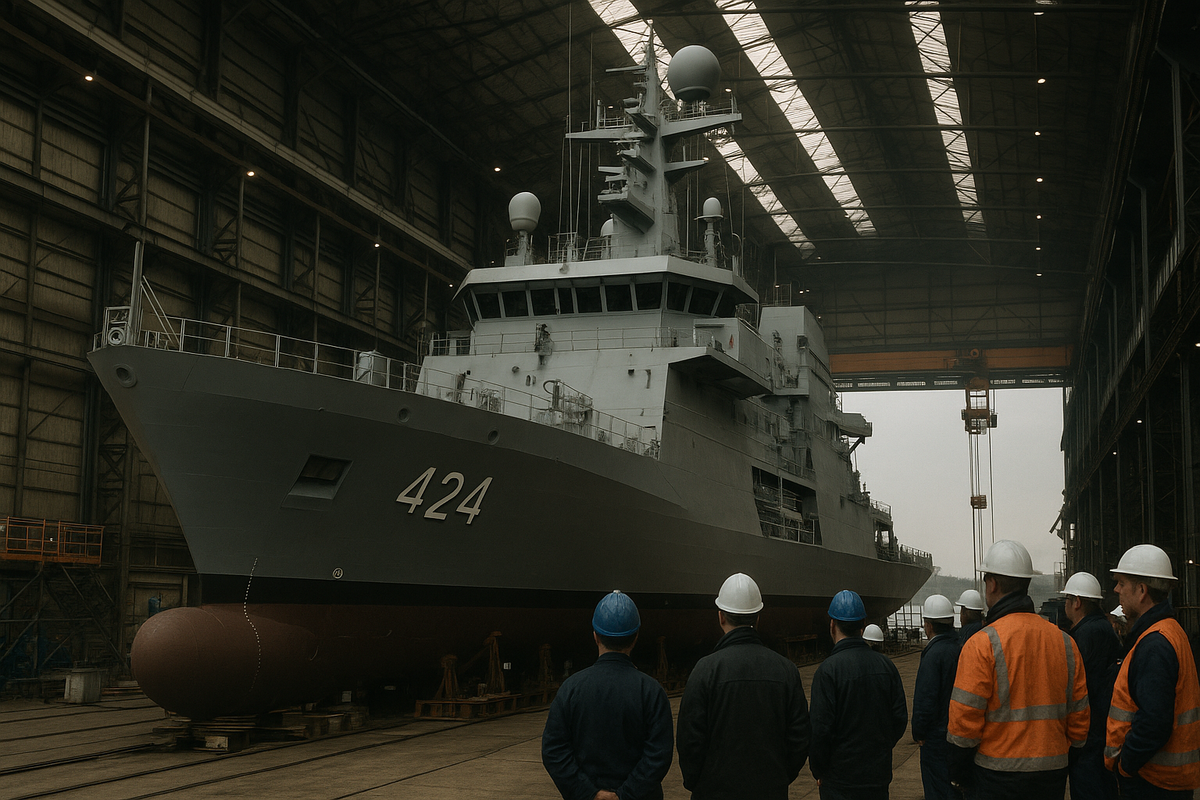
Production Milestone at Peene-Werft Shipyard
Rheinmetall Naval Systems has announced the commencement of steel cutting for the third and final Class 424 intelligence vessel at the Peene-Werft shipyard in Wolgast. This significant development, which took place earlier than anticipated, marks a critical step in enhancing Germany's naval intelligence capabilities. The Class 424 vessels are designed to support maritime operations with advanced reconnaissance and surveillance technologies, thereby strengthening situational awareness in contested environments.
The decision to accelerate production reflects both a response to increasing global maritime threats and a commitment to modernizing Germany's naval fleet. As tensions rise in various geopolitical hotspots, the demand for sophisticated intelligence-gathering platforms becomes paramount. The Class 424 vessels will be equipped with cutting-edge sensors and systems that allow for comprehensive data collection, analysis, and dissemination, positioning Germany as a more formidable player in naval intelligence operations.
Implications for Naval Strategy
The expedited timeline for the Class 424 vessels not only underscores Rheinmetall's manufacturing capabilities but also indicates a broader shift in defense priorities within NATO and the European Union. As member states recognize the importance of maintaining operational readiness against potential adversaries, investments in advanced naval platforms like the Class 424 are essential. This vessel class will enhance interoperability among NATO forces, allowing for coordinated maritime operations and intelligence sharing.
Why it matters: The production of the Class 424 intelligence vessel signifies a pivotal advancement in Germany's military modernization efforts. With the growing complexity of global security challenges, these capabilities are crucial for effective deterrence and defense. As the geopolitical landscape evolves, the timely delivery of advanced naval assets will not only bolster Germany's naval power but also contribute to the collective security of NATO allies, reinforcing the alliance's strategic posture in the face of emerging threats.
Sources: Edrmagazine, The Defense Post, Defence Industry Europe, Army Recognition, and navalnews.com