Rising Threats from Drones: U.S. Army's Strategic Response

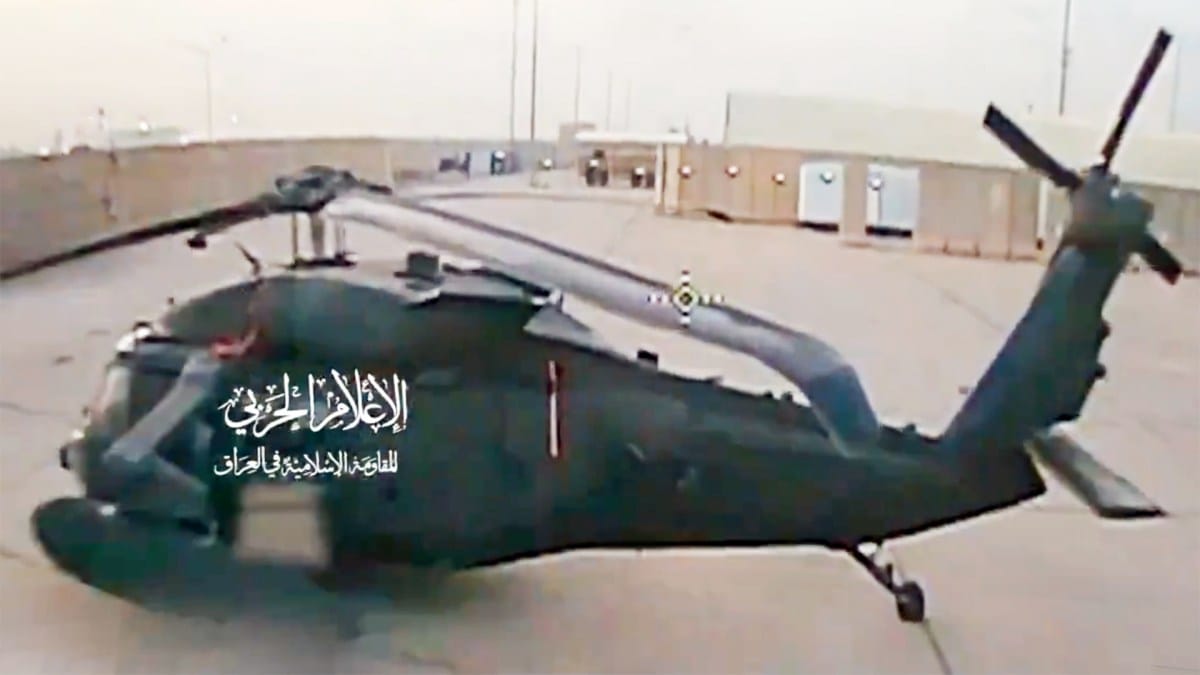
The recent drone attack on a parked U.S. Army Black Hawk in Iraq underscores an alarming trend: the increasing vulnerability of American military assets to evolving drone warfare tactics. As the use of first-person view (FPV) drones proliferates, the implications for U.S. forces in conflict zones and domestic bases are profound. This incident serves as a harbinger of a more complex aerial threat landscape, compelling the U.S. Army to reassess its defense strategies.
What Happened
The drone strike on the Black Hawk highlights a significant shift in asymmetric warfare tactics. FPV drones, often inexpensive and easily deployable, have emerged as effective tools for targeting high-value military assets. This incident is not isolated; it reflects a broader trend where non-state actors and adversarial states are leveraging drone technology to challenge conventional military superiority. The implications of such attacks extend beyond immediate operational concerns, threatening to reshape the battlefield dynamics.
The Strategic Calculus
In response to escalating drone threats, the U.S. Army is accelerating its air defense acquisition plans, particularly in FY2027. This includes a focused investment in technologies designed to counter both hypersonic missiles and coordinated drone swarms. The urgency of these acquisitions is driven by recent assessments identifying drone swarms as a critical vulnerability for U.S. forces. Key elements of this strategy include:
- Enhanced sensor networks capable of rapid detection and engagement of aerial threats.
- Integration of advanced technologies, such as the Golden Shield sensor-to-shooter network, which aims to process and respond to threats at machine speed.
- Increased collaboration with defense contractors to ensure timely delivery of innovative air defense solutions.
The Golden Shield system is particularly noteworthy, as it represents a paradigm shift in how the Army envisions defending armored units against swarm attacks. By utilizing a networked approach, it aims to provide real-time situational awareness and a coordinated response to multiple threats simultaneously.
The Bigger Picture
As drone technology continues to evolve, the U.S. Army's proactive stance is crucial for maintaining operational superiority. The integration of advanced air defense systems will not only serve to protect assets in the field but also set a precedent for future military engagements. Key considerations include:
- Adaptation to Evolving Threats: The Army must remain agile to counter emerging tactics, as adversaries are quick to adopt new technologies.
- Resource Allocation: Prioritizing funding for air defense systems in the face of budget constraints will be essential for long-term strategic success.
- Collaborative Defense Strategies: Engaging with allies and partners to share intelligence and develop joint capabilities against drone threats will enhance collective security.
The implications of these developments are profound. As drone warfare becomes more mainstream, the U.S. Army's ability to adapt will be critical in maintaining a defensive posture that deters adversaries and protects vital military operations.
Sources: Twz, Armyrecognition, and Armyrecognition