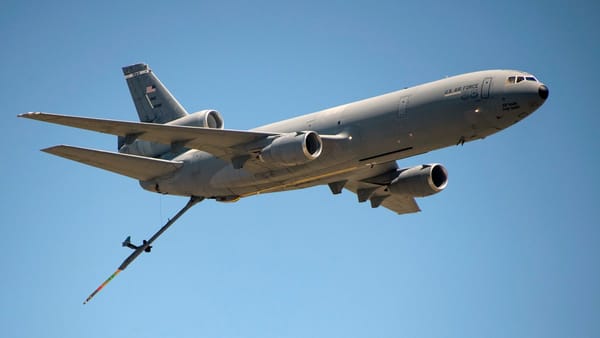
Rolls-Royce Expands Manufacturing Capabilities for Military Aircraft in the UK

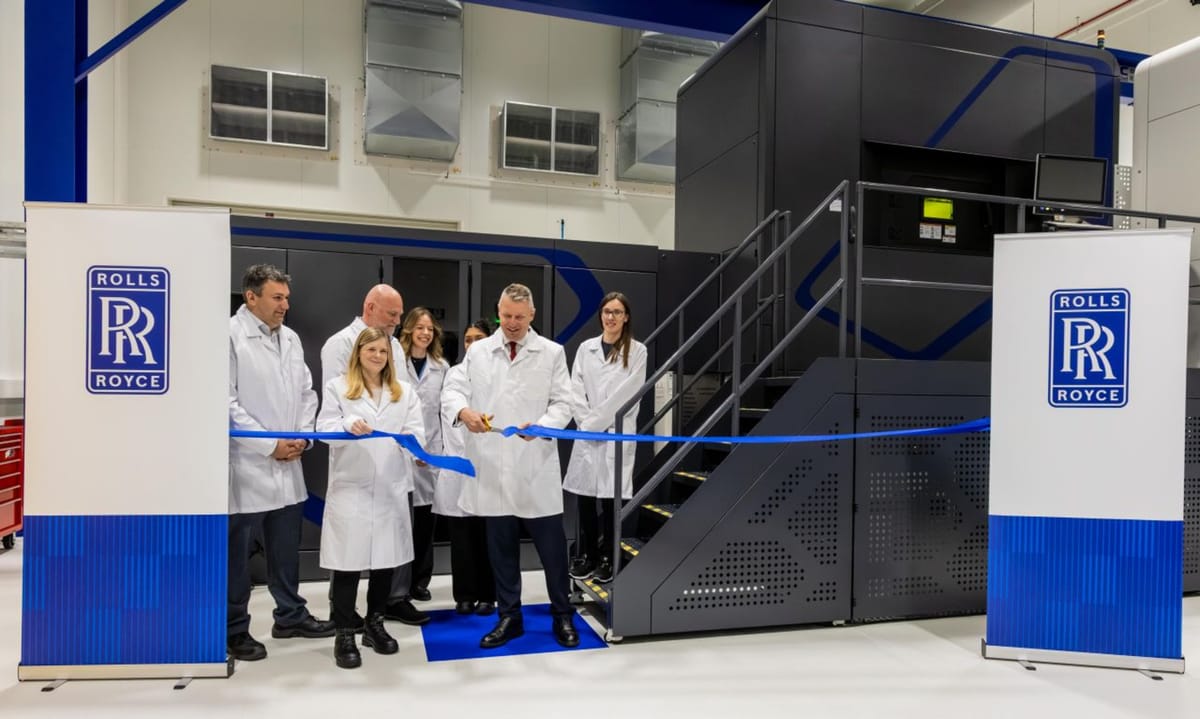
New Additive Manufacturing Line Inaugurated
On [date not provided], Rolls-Royce inaugurated a new additive manufacturing line in Bristol, aimed at producing key components for next-generation military aircraft engines. This new facility signifies a significant investment in advanced manufacturing technologies within the UK's defense sector.
This expansion comes at a time when the demand for innovative military capabilities is increasing globally. The incorporation of 3D printing technology into the production of military aircraft engines allows for more efficient manufacturing processes, potentially reducing lead times and costs associated with traditional methods. Analysts note that the move reflects a broader trend in the defense industry towards modernizing production capabilities to enhance operational readiness and performance.
Strategic Implications of the Expansion
The establishment of the 3D printing hub highlights the UK's commitment to maintaining its defense industry competitiveness. With global military spending on the rise, particularly among NATO allies, the ability to rapidly produce advanced components could provide the UK with a tactical advantage. Furthermore, this investment aligns with initiatives to bolster domestic manufacturing capabilities, reducing reliance on foreign suppliers for critical military technologies.
Why it matters: The implications of Rolls-Royce's new manufacturing line extend beyond immediate production capabilities. This development raises the question of how quickly the UK can adapt to evolving defense needs in an increasingly competitive landscape. As military technologies advance, the emphasis on innovative manufacturing solutions like 3D printing will likely play a crucial role in shaping future defense strategies and ensuring operational superiority.
Sources: Thedefensepost, The Defense Post, The Aviation Geek Club, VoxelMatters, and Engineering.com