Romania and Poland Adopt Divergent Strategies for Acquiring New Combat Vehicles

Advancements in Eastern European IFV Capacities: Romania and Poland’s Divergent Strategies
Introduction
As Eastern European nations prioritize enhancements to their military capabilities, Romania and Poland stand out with their respective initiatives to modernize their infantry fighting vehicles (IFVs). These endeavors reflect contrasting approaches to sourcing and technology transfer that offer insight into regional defense strategies.
Romania’s Initiative: Revamping Soviet-Era Vehicles
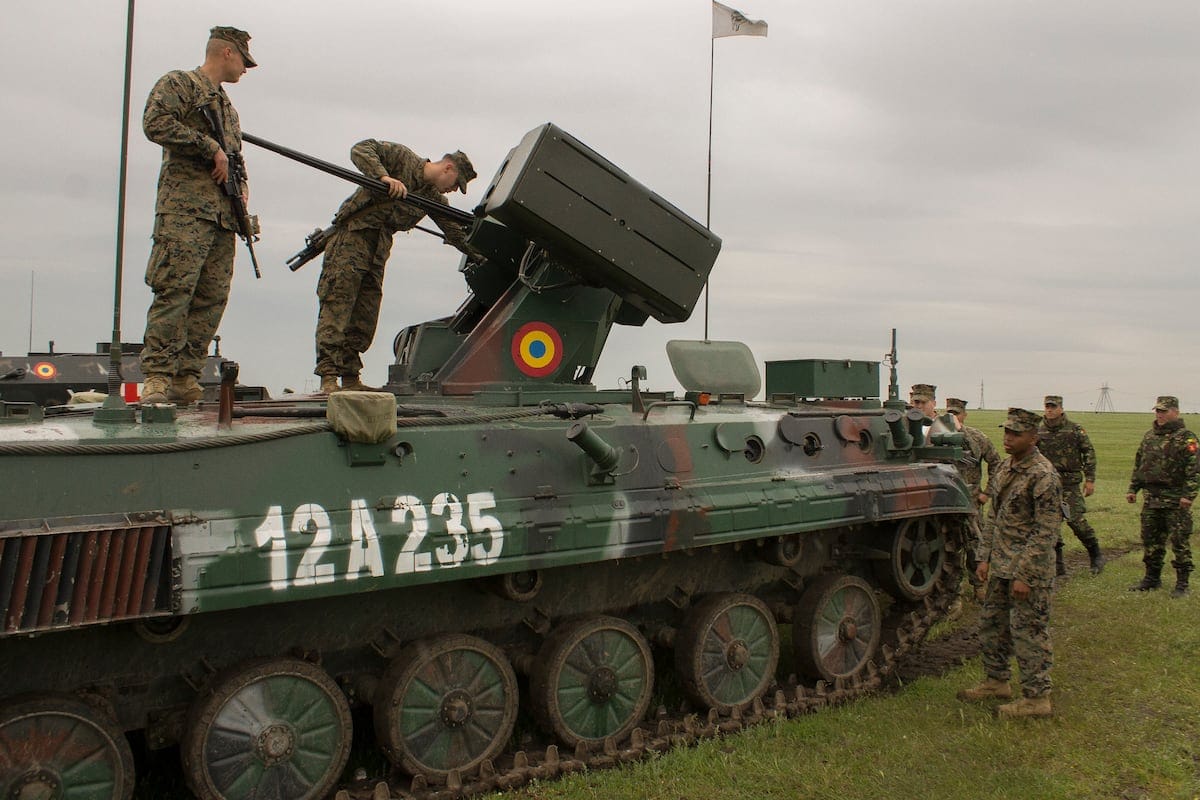
On July 10, Romania’s government took a significant step by officially launching a program to replace its aging MLI-84 tracked IFVs, originally based on Soviet designs. The proposed acquisition involves approximately 246 modern vehicles, alongside necessary simulators and logistics support, with an investment of around €2.55 billion ($2.96 billion) planned over the next eight years. A potential second phase might involve an additional 52 units, illustrating a commitment to substantially upgrade its mechanized forces.
Selected Suppliers and Domestic Production
Local defense analysts note that the Romanian Ministry of National Defence (MoND) is evaluating several foreign manufacturers, including:
- Rheinmetall (Germany) with the Lynx
- BAE Systems Hägglunds (Sweden) with the CV90
- Hanwha (South Korea) with the AS21 Redback
- General Dynamics European Land Systems with the Ascod
An evaluation committee comprising MoND officials and representatives from the state-owned Romtehnica will determine the winning bidder. Following the production of an initial batch of 26 units by the chosen supplier, Romania aims to transition manufacturing to its domestic defense sector for the remaining vehicles, strengthening its industrial base.
Strategic Importance of Technology Transfer
The Romanian authorities emphasize that safeguarding the supply chain and enhancing local capabilities through technology transfer is vital. The MoND stated: “Our essential security interest is to protect the supply chain through the transfer of assembly, integration, testing, and maintenance capabilities to Romania.” This approach aims not only to ensure operational efficiency but also to bolster national defense autonomy.
Furthermore, a spokesperson from the MoND noted the intent to maximize participation from domestic defense contractors, highlighting a strategic pivot toward self-sufficiency in the procurement process. Ensuring local maintenance capabilities for major systems is seen as crucial in establishing a resilient defense posture.
Potential Challenges
Security analyst Alexandru Georgescu pointed out that foreign investments in Romania’s defense sector by entities like Rheinmetall and Hanwha have fostered a desire for increased domestic production of IFVs. However, the outcome of the bidding process could face delays if challenges arise, especially in cases where foreign competitors contest the award of contracts.
Poland’s Expansion: The Borsuk and Beyond
In March, Poland made headlines by securing a PLN 6.57 billion ($1.8 billion) contract for 111 Borsuk IFVs from the Polish Armaments Group (PGZ). Designed to supersede the Soviet-era BWP-1, the Borsuk marks a significant evolution in the Polish Army’s tracked vehicle capabilities, with deliveries scheduled from 2025 to 2029.
Broader Acquisition Plans
In addition to the initial order, Poland plans to expand its fleet further with up to 700 heavier IFVs, anticipated to offer enhanced ballistic and anti-mine protection. The Borsuk—capable of amphibious operations and weighing about 28 tons in its basic configuration—represents a key component of Poland’s modernization strategy.
Collaborative Defense Initiatives
The Polish Ministry of Defence is currently advocating for increased collaboration among European allies in defense procurement, seeking to establish consortia for joint acquisitions. Deputy Prime Minister and Defence Minister Władysław Kosiniak-Kamysz has indicated that the Borsuk may serve as a collaborative product among Eastern European nations looking to enhance their capabilities in unison.
Competition Among Suppliers
Interestingly, many of the same companies targeting Romania for IFV contracts are also engaged in Poland, as PGZ explores possibilities for licensing arrangements with foreign manufacturers. An official determination on whether PGZ will pursue independent development of a heavier IFV or opt for licensed technology remains pending, reflecting an ongoing evaluation of regional defense needs and technological trends.
Conclusion
The contrasting approaches of Romania and Poland serve as intriguing case studies in Eastern European defense strategies. While Romania seeks to harness local capabilities through an enhanced procurement framework favoring domestic production, Poland leverages its existing defense manufacturing base to secure significant contracts for modernization. As both nations navigate their paths in military procurement, the implications for regional security and defense collaboration will be critical to monitor in the coming years.