Romania Considers Changes to Infantry Fighting Vehicle Requirements to Favor Rheinmetall

Review of Romania’s Infantry Fighting Vehicle Acquisition Strategy
Overview of the Acquisition Program
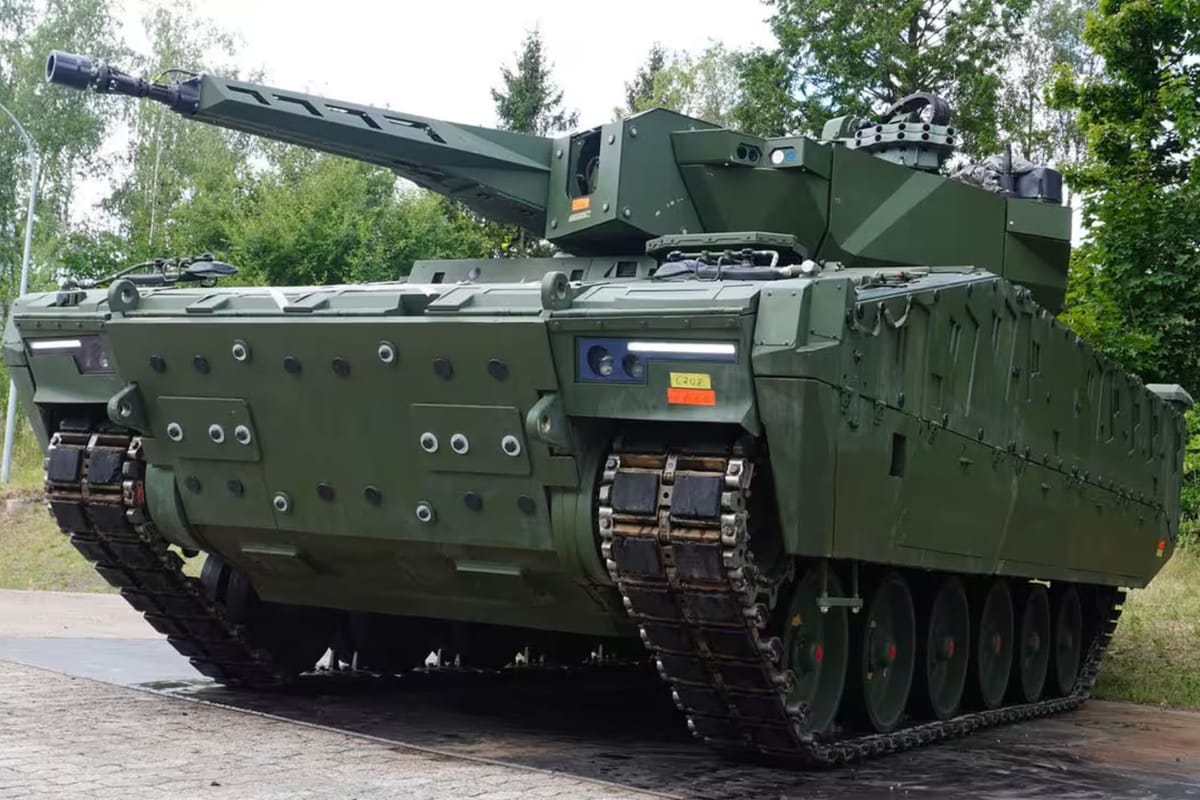
Romanian defense officials are currently reassessing the technical specifications for the procurement of 298 tracked infantry fighting vehicles (IFVs). This pivotal examination comes at a crucial juncture in the country’s initiative to modernize its land capabilities. According to sources, certain modifications to the requirements may inadvertently benefit Rheinmetall’s Lynx KF41 platform.
Context of the Acquisition
The initiative aims to phase out the outdated Soviet-era MLI-84 Jderul vehicles, marking one of the most substantial land modernization endeavors for Romania since its NATO accession in 2004. The acquisition strategy envisions a range of variants based on a unified tracked chassis, enabling mechanized infantry units across the Romanian Army to operate more effectively. The technical criteria defined in the initial request for proposals are vital as they determine the eligibility of manufacturers to fulfill operational demands and maintain competitiveness during the acquisition process.
Potential Modifications to Technical Specifications
Within the Romanian Ministry of National Defence and the Prime Minister’s Office, there are discussions regarding possible adjustments to the classification of certain capabilities. Noteworthy points include:
- Reclassification of Requirements: Some capabilities that are presently deemed essential may be relegated to optional status. Conversely, specifications that align more closely with the Lynx’s offerings could be elevated to critical criteria. While such alterations would not automatically secure victory for Rheinmetall, they could shift the competitive landscape.
- Integration of Anti-Tank Guided Missiles: The Romanian Land Forces had previously expressed a preference for integrating capabilities comparable to the SPIKE LR2 missile system from Rafael Advanced Defense Systems. This missile boasts a range of approximately 5.5 kilometers and features advanced guidance through an electro-optical seeker, allowing for target engagement with a fire-and-update capability.
- Current Lynx Offering: The Lynx KF41 currently supports the SPIKE LR1 variant, which has a lesser range of 4 kilometers and lacks the enhanced capabilities of its successor. Sources indicate that one proposed modification involves reclassifying the LR2-level requirement as desirable rather than mandatory, positioning the Lynx platform more favorably.
Vehicle Family Structure
The Romanian Army’s original plan envisioned a family of five variants from a common chassis, including:
- Command vehicle
- Reconnaissance version
- Recovery or evacuation vehicle
- Additional specialized configurations
However, it has been noted that Rheinmetall does not presently offer an armored evacuation vehicle based on the Lynx chassis, proposing instead a recovery solution derived from the Leopard platform. If Romanian authorities choose to eliminate the evacuation requirement, this could reduce the program from five to four variants, simplifying integration for manufacturers lacking a complete array of Lynx-based support vehicles.
Technical Attributes of the Lynx KF41
The Lynx KF41 is among the latest IFVs on the European market, with a weight of approximately 44 tons, powered by a Liebherr diesel engine yielding around 1,140 horsepower. This powertrain allows for road speeds nearing 70 kilometers per hour.
Key features include:
- Armament: Equipped with Rheinmetall’s Lance 2.0 turret, which houses a 35mm Wotan automatic cannon capable of firing programmable airburst munitions.
- Advanced Systems: The turret integrates modular anti-tank missile launchers and sophisticated fire-control systems interconnected with modern battlefield management networks.
Operational Considerations
The discourse surrounding this acquisition transcends technical specifications. Retired Brigadier General Dan Grecu has articulated concerns that procurement strategies should adhere closely to defined operational needs, rather than political considerations. He emphasizes that armed forces must not compromise on capabilities established by military planners, noting that competitive bidding often yields more advantageous pricing and proficient solutions.
Implications for Regional Security
Romania’s modernization endeavor is situated within the broader context of Eastern European NATO allies enhancing their land capabilities in response to an evolving security landscape. The outcomes of Bucharest’s procurement decisions will have significant ramifications that extend beyond national priorities. The choice of a new IFV will impact:
- Industrial Partnerships: Establishing relationships with defense contractors within the region.
- Supply Chain Dynamics: Strengthening logistics and resource management.
- NATO Interoperability: Effectively integrating Romania’s military capabilities with those of its Allies.
As European nations seek to bolster collective defense capabilities and foster defense-industrial collaboration, Romania’s strategic decisions will resonate throughout the regional security architecture.