Romania to Enhance Black Sea Fleet with Acquisition of Turkish-Made Patrol Ship

Romania’s Acquisition of Hisar-Class OPV: Strategic Implications and Details
Overview of the Acquisition
Romania’s Ministry of Defence is poised to finalize the procurement of a Turkish-manufactured Hisar-class offshore patrol vessel (OPV). Following unanimous endorsement from the Romanian Parliament in September, the contract signing is expected to take place imminently.
This acquisition is significant for Romania, as it aims to deliver one OPV to the strategic Black Sea port of Constanța within six months post-signing.
Addressing Capability Gaps
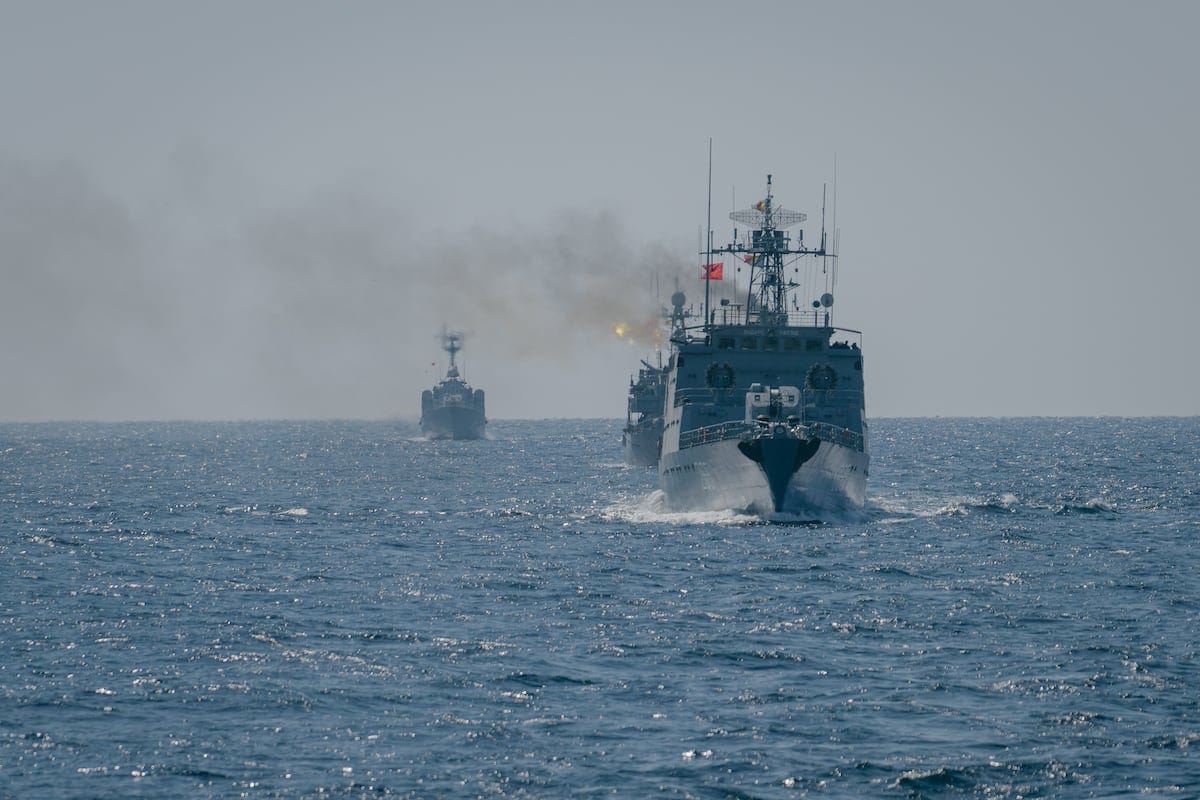
Romania’s decision to pursue this acquisition addresses pressing deficiencies in its naval capabilities. Currently, the Romanian Black Sea fleet relies heavily on outdated vessels, many of which date back to the late Cold War era. This is compounded by ongoing delays in several key procurement projects, thereby emphasizing the critical need for modernization.
Key Details of the Deal
- Cost: The financial commitment for the ship is approximately €223 million ($258 million) alongside an additional €42 million earmarked for modifications specifically tailored for Romanian naval requirements.
- Transfer Mechanism: The transfer will be executed through a government-to-government agreement facilitated by Turkey’s Military Factory and Shipyard Management Inc. (ASFAT).
Recent Developments in Turkish Naval Production
In September 2023, Turkey launched two Hisar-class patrol vessels, TCG Akhisar and TCG Koçhisar, from the Istanbul Naval Shipyard. Key specifications include:
- Dimensions: Each vessel measures around 100 meters in length, with a beam width of 14 meters and a draft of 4 meters. The total displacement is approximately 2,300 tons.
- Armament: Initial armaments include:
- A 76mm primary gun
- Two 12.7mm remote-controlled weapon stations
- Radars such as Aselsan’s Cenk 100-N and Akrep 100-N
- TÜBİTAK’s Yelkovan electronic support measures (ESM)
- Hull-mounted sonar
The design allows for the integration of additional weapon systems as necessary.
Customization and Future Capabilities
The Hisar-class vessel intended for Romania is expected to be transferred primarily equipped with its original systems. This approach not only facilitates a swift handover but also provides Romania with opportunities to incorporate its unique technologies post-acquisition.
For instance, the Romanian Ministry of Defence has indicated that the Naval Strike Missile (NSM) will be embedded after the vessel’s arrival, which will significantly enhance its anti-ship capabilities.
Conclusion
The impending procurement of the Hisar-class OPV represents a vital step for Romania in bolstering its naval prowess, particularly in the Black Sea region. This acquisition reflects a commitment to modernizing its maritime forces amid increasing geopolitical challenges and is indicative of a broader trend of regional defense cooperation within NATO frameworks.
By bridging existing capability shortfalls, Romania will not only reinforce its national security but also contribute to collective defense initiatives in its vicinity.