
Royal Navy Enhances Maritime Medical Response Capabilities

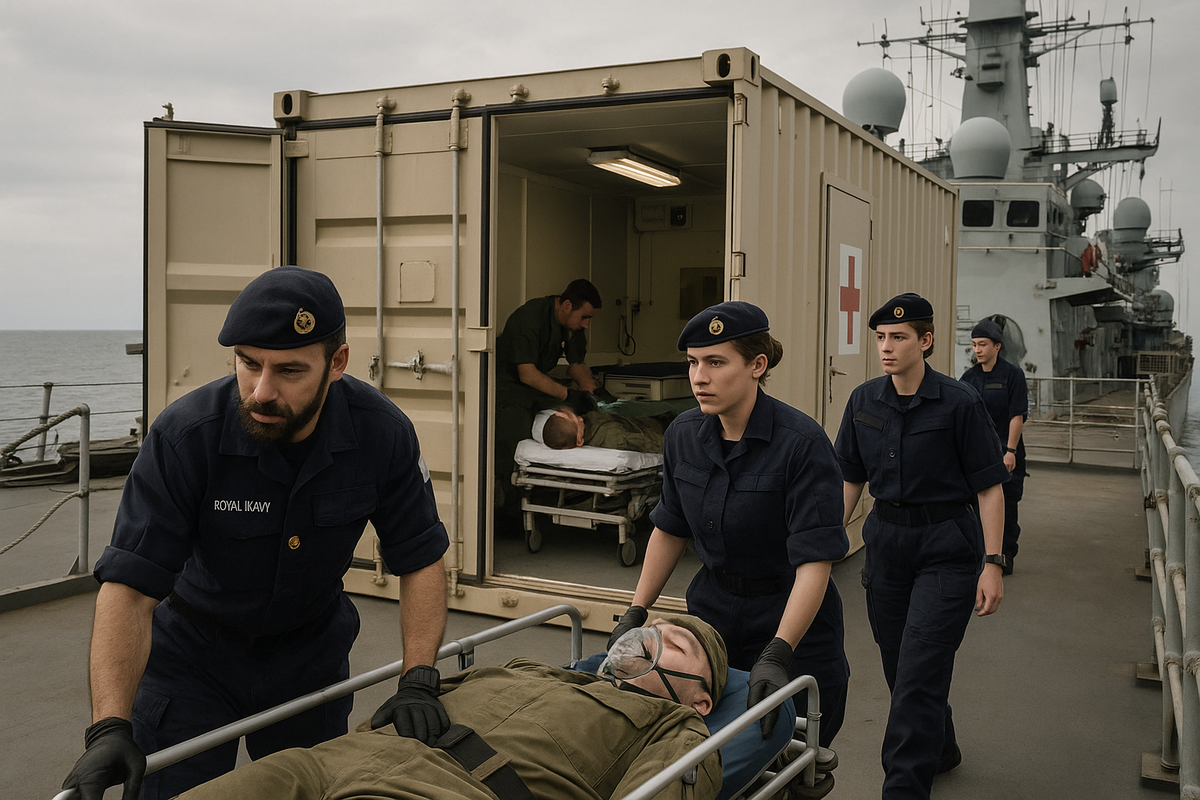
New Initiatives Tested at Sea
The UK Royal Navy has successfully conducted trials for innovative maritime emergency capabilities, specifically focusing on an airborne casualty response unit and a containerized medical hub. These developments are particularly significant for ships lacking advanced onboard medical facilities, enhancing their ability to respond to medical emergencies at sea.
These trials are a part of the Royal Navy's broader strategy to ensure operational readiness in diverse environments. The airborne casualty response unit is designed to facilitate rapid medical assistance in critical situations, potentially improving survival rates for injured personnel. Meanwhile, the containerized treatment module offers a versatile solution to ships that may not have the infrastructure to support extensive medical operations. This modular approach allows for quick deployment and adaptability to various maritime contexts.
Strategic Implications for Naval Operations
Implementing these new capabilities has strategic implications for the Royal Navy and allied forces. The ability to provide immediate medical care can significantly reduce the impact of injuries during operations, thereby maintaining personnel readiness and morale. Moreover, these advancements align with the increasing emphasis on humanitarian assistance and disaster relief missions, where timely medical intervention is crucial.
This development raises questions about the future integration of medical capabilities in naval operations, particularly as maritime threats evolve. Analysts will be monitoring how these trials influence broader defense strategies and whether other naval forces may adopt similar medical innovations. The implication is that enhanced medical support could become a standard requirement for modern naval fleets, reflecting a shift toward comprehensive operational readiness in the face of diverse challenges.
Sources: Thedefensepost and The Defense Post




