Russia Denies EU Cyber Attack Allegations

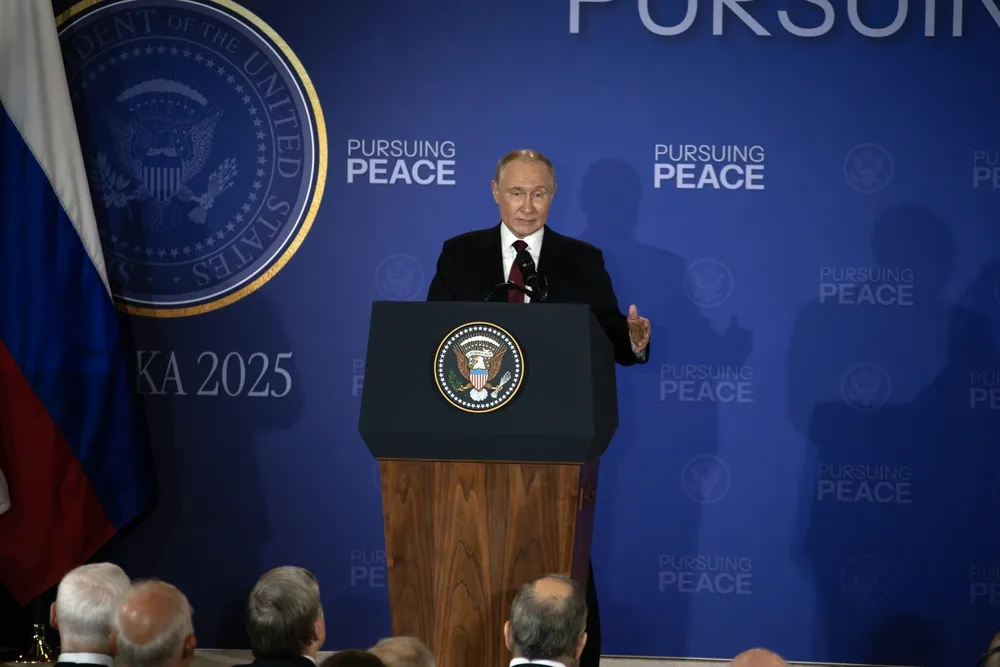
Russia's Response to Cyber Attack Claims
On Tuesday, the Kremlin strongly rejected accusations from the European Union and Britain, describing them as "baseless" allegations that Russian intelligence agencies were involved in a series of cyber attacks targeting Europe. This response highlights the ongoing tensions between Russia and Western nations regarding cybersecurity and geopolitical influence.
This incident occurs in a broader context of increasing concerns over cybersecurity threats attributed to state actors. The specific claims against Russia come amid heightened scrutiny of its cyber capabilities, particularly as Western governments bolster their defenses against potential cyber intrusions. Analysts note that these accusations could be part of a larger narrative aimed at rallying support for more robust cyber defense initiatives within the EU and NATO. The Kremlin's dismissal of the claims suggests a continuation of its strategy to deny involvement in cyber operations while simultaneously accusing Western countries of fabricating evidence to justify their positions.
Implications for European Security
The implications of this exchange are significant for European security policy and its approach to cyber threats. As nations increasingly rely on digital infrastructure, the potential for state-sponsored cyber attacks poses a serious risk to national security. This raises the question of how the EU and its allies will respond to perceived threats from Russia. Will they enhance their cyber capabilities or engage in diplomatic efforts to address these tensions? The Kremlin's strong rebuttal indicates that further escalation in cyber rhetoric may be on the horizon, complicating the already strained relations between Russia and the West.
In summary, the Kremlin's dismissal of the EU's accusations reflects a broader strategy of denial and counter-accusation that may lead to increased tensions in cyberspace. The situation is evolving, and defense analysts will be closely monitoring the developments in this area, particularly how it may influence future cyber defense policies and international relations.
Sources: Thedefensepost, The Defense Post, The Record from Recorded Future News, Computer Weekly, and Moneycontrol.com