Russia Enhances Drone Defense Capabilities with Tunguska-M1 Deployment

Deployment Overview
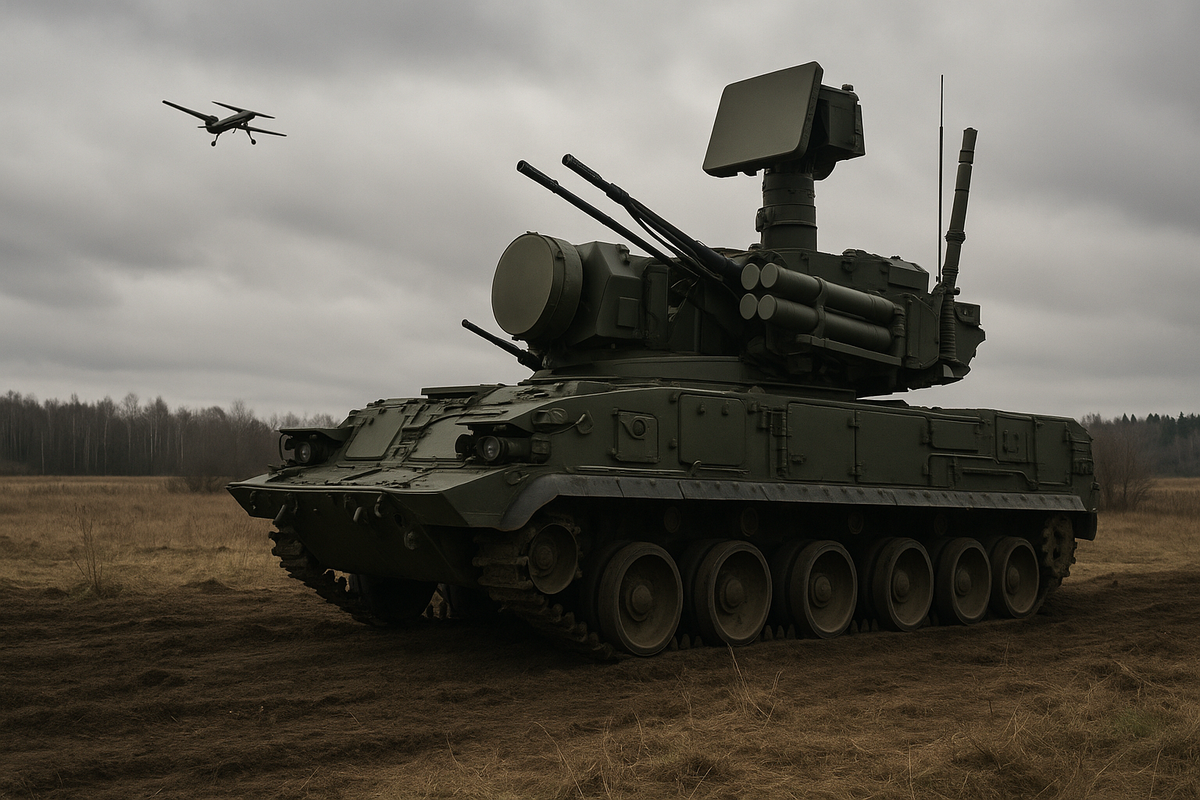
In a significant move to bolster its air defense, Russia has deployed the modernized Tunguska-M1 Short Range Air Defense (SHORAD) system near Dobropillia. This deployment, noted for its integration of a new thermal sight, aims to enhance the system's effectiveness against low-altitude drones. The presence of this advanced system underscores Russia's ongoing efforts to adapt its military capabilities in response to the evolving threats posed by unmanned aerial vehicles (UAVs).
Context and Analysis
The Tunguska-M1 is designed to provide comprehensive protection against a variety of aerial threats, particularly UAVs, which have become increasingly prevalent on modern battlefields. With the addition of a new electro-optical module, the system is expected to improve target acquisition and tracking, thereby increasing its operational effectiveness against aerial incursions. This development aligns with broader trends in military technology, where nations are investing heavily in counter-drone capabilities to protect critical assets and maintain air superiority.
By deploying the Tunguska-M1, Russia demonstrates its commitment to enhancing its defensive posture, particularly in regions where drone activity has surged. The strategic positioning of this system near Dobropillia may suggest a proactive approach to potential threats in eastern Ukraine, where drone warfare has become a tactical element in the ongoing conflict.
Why It Matters
The implications of this deployment are significant for regional security dynamics. As Russia strengthens its low-altitude drone defense capabilities, other nations may feel compelled to reassess their own air defense strategies and investments in counter-drone technologies. This trend could lead to an arms race in drone defense systems across the region. Analysts will be watching how this deployment affects not only Russian military operations but also the responses from NATO and other regional actors.
Sources: Armyrecognition, Asian Military Review, The National Interest, Defense Express, and The Economic Times