Russia's Strategic Engagement with ASEAN Amid Global Competition

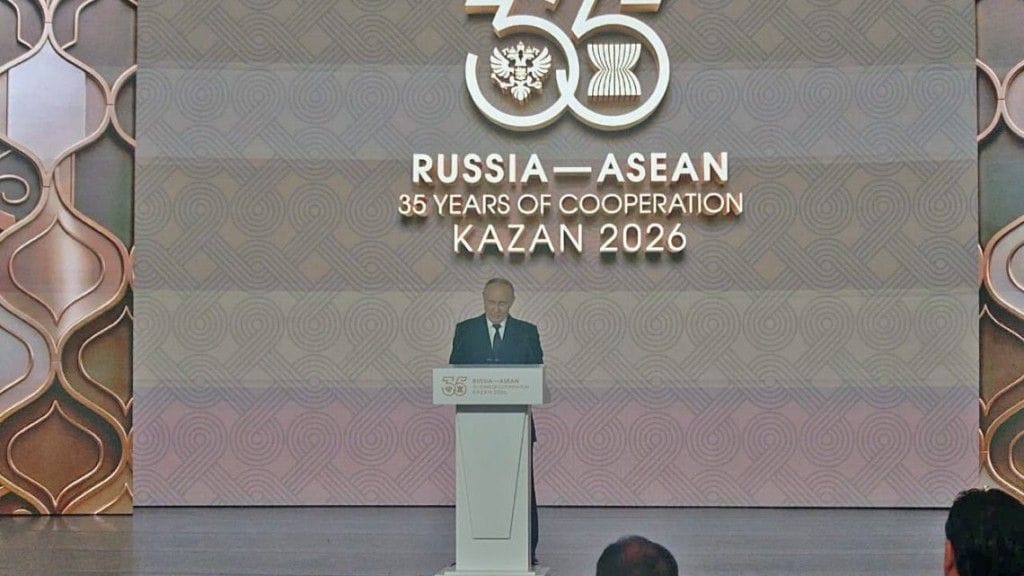
Overview of the Russia-ASEAN Summit
The recent Russia–ASEAN summit held in Kazan marks a significant diplomatic effort by Moscow aimed at reinforcing its influence beyond Europe. This summit is part of Russia's broader strategy to counteract Western pressure and demonstrate that it has not been isolated on the global stage. The timing of this initiative is crucial, as it coincides with escalating competition between the United States and China in Southeast Asia.
Context and Analysis
Russia's engagement with ASEAN countries highlights its desire to establish a stronger foothold in a region that is increasingly pivotal in the geopolitical landscape. By strengthening ties with Southeast Asian nations, Russia seeks to position itself as a viable alternative to Western powers and enhance its economic and military partnerships in the area. This strategy may also provide Russia with essential support in international forums where it faces Western scrutiny.
The ramifications of this summit extend beyond mere diplomatic gestures; they reflect a concerted effort by Russia to cultivate relationships that could translate into economic cooperation and potential military alignments. As the U.S. and China vie for influence in ASEAN, Russia’s involvement could disrupt existing power dynamics and provide ASEAN countries with additional leverage in their dealings with these major powers.
Why it matters: The implications of Russia's focus on ASEAN are significant for U.S. defense and foreign policy. As Moscow seeks to strengthen its position in Southeast Asia, analysts will be watching closely to see how this affects U.S. initiatives in the region. The growing presence of Russia could challenge U.S. influence and complicate existing alliances. Furthermore, this development raises questions about how the U.S. might respond to maintain its strategic interests in a region that is becoming increasingly contested.
Sources: Defence24, Defence24.com, CSIS | Center for Strategic and International Studies, Carnegie Endowment for International Peace, and Responsible Statecraft