Sentinel ICBM: A Key Component of Modernizing U.S. Nuclear Deterrence

Overview of the Sentinel ICBM Program
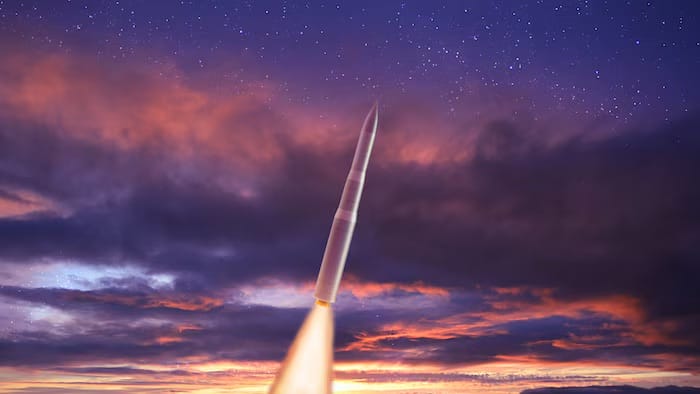
The Sentinel Intercontinental Ballistic Missile (ICBM) program is a significant part of the United States' modernization efforts to enhance its ground-based nuclear deterrent. Launched to replace the aging Minuteman III system, the Sentinel is set to bolster the U.S. strategic capabilities in a shifting global landscape where nuclear threats are evolving. The initiative underscores a commitment to maintaining a credible and effective nuclear deterrent in the face of emerging adversarial capabilities.
Strategic Role and Modernization Goals
The modernization goals of the Sentinel ICBM focus on improving reliability, extendability, and overall effectiveness. Designed to withstand contemporary threats, the new missile system will integrate advanced technology to ensure it remains relevant. This modernization is not merely about replacing old systems but also about enhancing the strategic posture of the U.S. in a world where nuclear deterrence remains a critical component of national security. The development aims to align with contemporary military challenges and the geopolitical landscape, emphasizing the need for a resilient deterrent.
Moreover, the Sentinel ICBM's capabilities are expected to address specific operational needs, such as improved targeting and faster response times, which are crucial in a potential conflict scenario. The integration of cutting-edge technology could also facilitate a more flexible and adaptive nuclear strategy.
Why It Matters
The implications of the Sentinel ICBM program extend beyond mere modernization; it reflects a broader strategy to deter potential aggressors while reassuring allies. As nations around the globe continue to develop and refine their own nuclear arsenals, the U.S. commitment to maintaining a robust nuclear deterrent becomes increasingly vital. Analysts will be watching how the Sentinel ICBM impacts not only U.S. strategic posture but also the global balance of power, particularly in regions where adversarial threats are most pronounced.
Sources: Thedefensepost, The Defense Post, Army Recognition, af.mil, and Bulletin of the Atomic Scientists