Iran Deploys Electric Shahed-101 Kamikaze Drones for Stealthy Saturation Attacks Across Gulf States

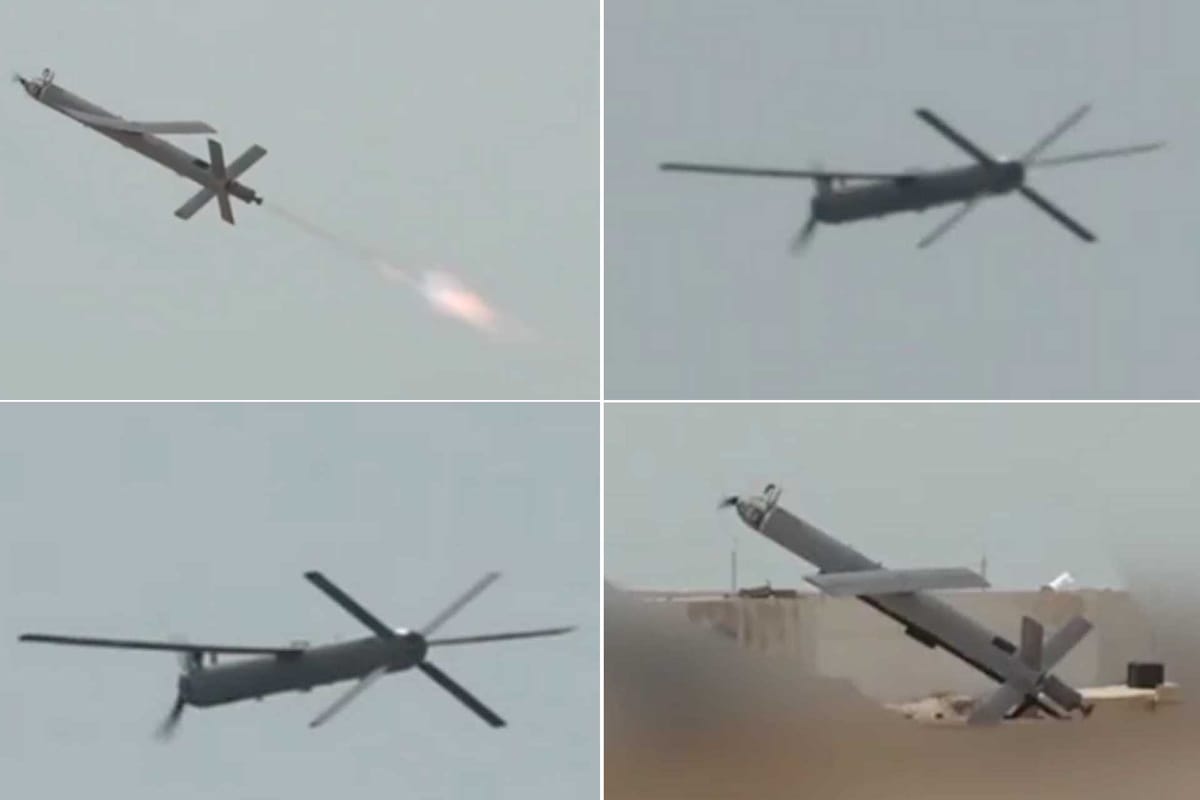
The Emergence of the Electric Shahed-101 Loitering Munition
Introduction to the Shahed-101
A new electric variant of the Iranian Shahed-101 loitering munition has recently been identified. Its operational deployment spans several regions, notably in Israel, Iraq, Syria, and Ukraine. Previously, this drone was equipped with a conventional gas engine, but the introduction of an electric propulsion system marks a significant advancement in its design and strategic utility.
Key Features of the Electric Shahed-101
- Propulsion and Range: Utilizing battery-powered propulsion, the electric variant significantly minimizes the acoustic signature during low-altitude attack profiles. It boasts an impressive operational range estimated between 900 to 1,500 kilometers, allowing it to engage targets well beyond the immediate frontlines.
- Warhead Specifications: The electric Shahed-101 features a warhead weighing between 5 to 8 kilograms, designed to damage lightly defended assets such as radar systems, communication hubs, and ammunition storage facilities.
- Physical Characteristics: This drone measures approximately 2.5 meters in length with a nearly 3-meter wingspan. The total launch weight varies between 35 and 45 kilograms, depending on its payload configuration.
Design Innovations
- Aerodynamic Structure: The Shahed-101 is characterized by a cylindrical fuselage complemented by straight wings and an X-shaped tail assembly. Its construction primarily employs composite materials, which contribute to a lower structural mass and reduced radar visibility.
- Launch Mechanism: It can be launched using a small rocket booster, facilitating a rapid jet of acceleration before separation. The drone may be deployed from ground rails, catapults, or mobile launch racks, supporting flexible and agile operational deployment.
Tactical Advantages
The electric variant is strategically designed to complement Iran’s evolving suite of loitering munitions. Its introduction further enhances the capability for saturation attacks and medium-range tactical operations. Such drones have become integral to Iran’s operational methodology, effectively forcing adversaries to expend costly interceptors against relatively low-cost munitions.
- Stealth and Survivability: The reduced acoustic signature of the electric propulsion system allows the drone to navigate closer to critical targets with less likelihood of detection, enhancing its effectiveness in harassment operations and electronic warfare scenarios.
- Group Deployment Strategy: The limited warhead capacity necessitates the deployment of multiple units to ensure effective target reach and damage, compelling air defense systems to engage with multiple interceptors, thus creating an economic strain.
Operational Context
The operational history of the Shahed-101 indicates its first recorded use during the summer of 2024, with notable engagements by Hezbollah forces against Israeli military positions. Reports indicate that the drone successfully penetrated initial warning layers, reflecting its potential effectiveness against advanced air defense systems.
- Regional Deployment: Evidence of the Shahed-101’s presence extends into Iraq, Syria, and Ukraine, where it has been observed in areas controlled by Iranian-aligned militias and resistance groups. The variability in operational environments highlights its versatility in asymmetric warfare contexts.
Development and Production
The Shahed-101’s design, including its electric variant, is attributed to the collaborative efforts of the Iran Aircraft Manufacturing Industrial Company and Shahed Aviation Industries. Its incorporation into the ongoing conflict in Ukraine underscores its importance as a component of Iran’s military strategy.
- Production Estimates: Reports suggest that over 38,000 Shahed-series drones were deployed throughout 2025, emphasizing the scale at which these drones are being utilized.
- Comparative Analysis: The Shahed-101 bears resemblance to other loitering munitions, such as the Israeli IAI Harop and the AeroVironment Switchblade families, suggesting not only an evolution in design but a response to global trends in drone warfare.
Conclusion
The introduction of the electric Shahed-101 loitering munition illustrates Iran’s continued commitment to developing low-cost, high-impact aerial capabilities. As conflicts in Ukraine and the Middle East evolve, such systems will likely shift the dynamics of aerial operations, challenging traditional air defense paradigms and necessitating a reevaluation of counter-drone strategies among affected nations. Source link