Shifting Dynamics: NATO's Stance on Ukraine Amid Regional Developments

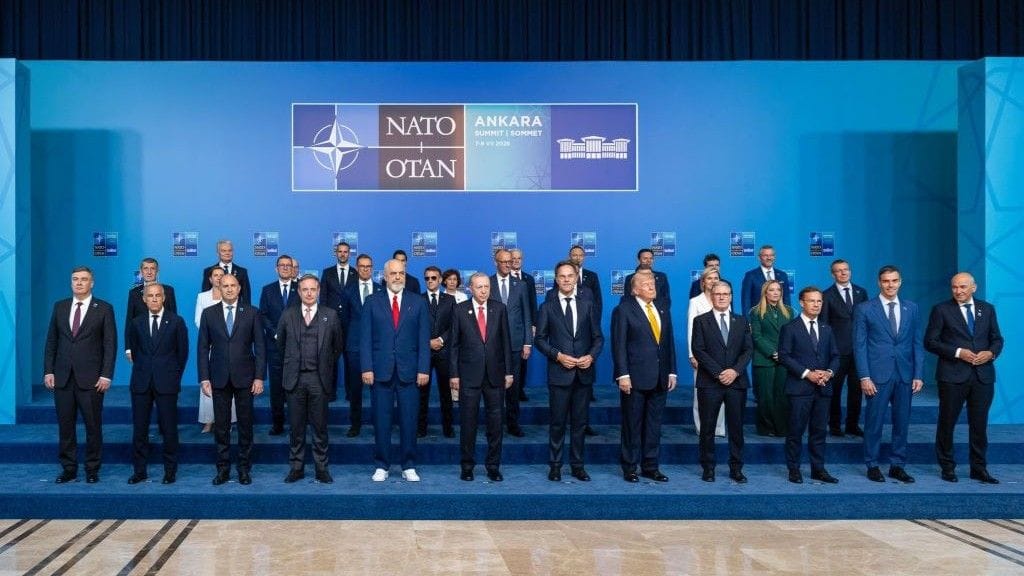
The recent NATO summit held in Ankara on July 7-8 has underscored the alliance's commitment to strengthening its deterrence posture and supporting Ukraine amidst ongoing Russian aggression. However, the landscape of military support for Ukraine is evolving, as evidenced by Bulgaria's recent decision to halt new arms deliveries, raising questions about the future of European assistance to Kyiv.
What Happened
During the Ankara summit, NATO leaders focused on enhancing collective defense measures while reaffirming their support for Ukraine in the face of continued Russian offensives. Just hours before key discussions, Russian strikes on Ukraine resulted in the deaths of at least seven people, illustrating the urgent security challenges that the alliance is addressing. Ukrainian forces reported hitting several Russian tankers in response, indicating the ongoing conflict's intensity.
The Strategic Calculus
In a noteworthy shift, Bulgaria has announced it will no longer provide military support to Ukraine. This decision reflects a broader change in Sofia's defense policy, marking a potential pivot towards prioritizing its own rearmament efforts over direct military assistance to Ukraine. While Bulgaria remains formally committed to NATO and the European Union, this move serves as a warning signal for both Kyiv and Europe regarding the unity and resolve of member states in supporting Ukraine.
- The recent NATO summit emphasized deterrence and support for Ukraine.
- Russian strikes continue to pose significant threats, with casualties reported just before the summit.
- Bulgaria's cessation of military support could indicate a shift in European willingness to aid Ukraine.
This evolving situation raises critical questions about the future of NATO's collective response to Russian aggression and the potential ramifications for Ukraine's military capabilities. Analysts will be closely monitoring how Bulgaria's decision may influence other member states' positions and the overall cohesion of NATO's support for Ukraine.
On the Ground
As the conflict in Ukraine persists, the urgency for NATO to present a united front is paramount. The implications of Bulgaria's stance could lead to a reevaluation of military assistance policies among member nations, especially as the need for robust support becomes increasingly clear. The situation on the ground remains dire, with civilian casualties mounting as Russian strikes continue, further highlighting the necessity for enhanced NATO involvement.
In summary, the Ankara summit underscored NATO's commitment to deterrence and support for Ukraine, but Bulgaria's withdrawal from providing military aid introduces a complex dynamic that could affect future European security policies. This juxtaposition of NATO's intentions and Bulgaria's actions signals an uncertain path ahead for Ukraine as it navigates ongoing hostilities.
Sources: Defence24, Thedefensepost, Українська правда, The Jamestown Foundation, Українські Національні Новини (УНН), and Council on Foreign Relations