Significant Progress in HYDIS Project for European Interceptor Development

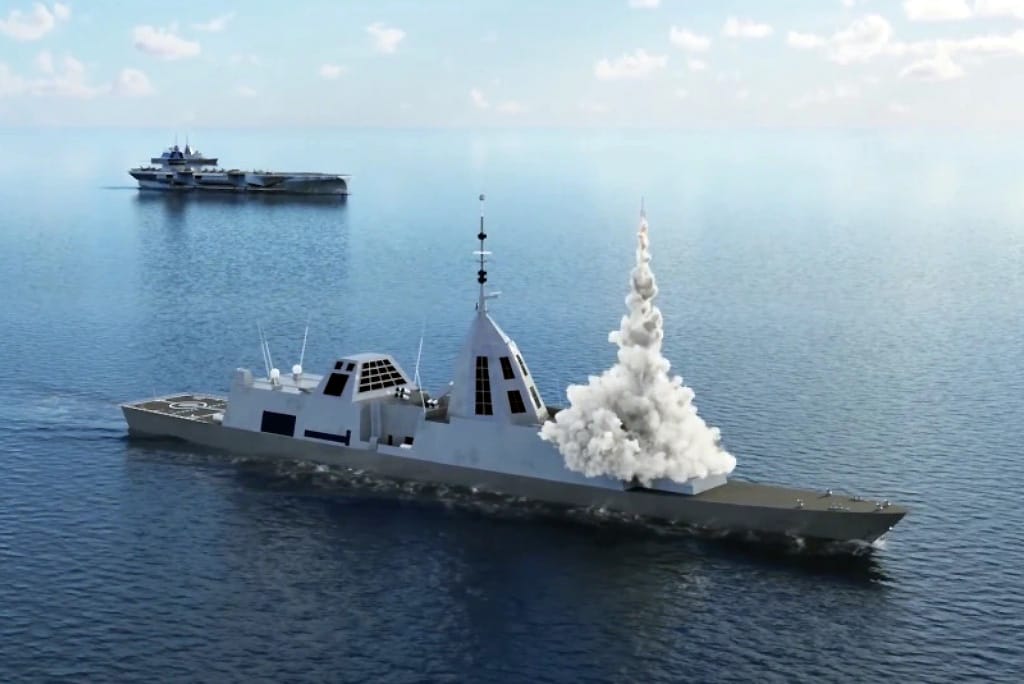
Major Milestone Achieved
The HYDIS Project has reached a crucial milestone in its development of a European interceptor, as announced on July 10, 2026. This advancement marks a significant step toward defining the future capabilities of European air and missile defense systems. The project's progress underscores a growing commitment among European nations to enhance collaborative defense initiatives.
Context and Implications
The development of the HYDIS system is part of a broader strategy among European nations to strengthen their military capabilities amid evolving security threats. With ongoing geopolitical tensions, particularly in Eastern Europe, the need for advanced interception technologies has never been more pressing. The HYDIS Project aims to integrate state-of-the-art technologies to create a robust defense framework capable of countering a variety of aerial threats.
Furthermore, the collaboration between multiple European stakeholders in this project highlights a trend toward unified defense strategies. This cooperative approach could pave the way for more efficient resource allocation and technological sharing, which are essential for maintaining strategic advantages in a rapidly changing global landscape.
Why it Matters: The successful development of the HYDIS interceptor could significantly enhance European defense capabilities and resilience against potential aerial threats. This raises the question of how such advancements will influence NATO's collective defense posture and the broader security dynamics within Europe. Analysts will be closely monitoring the project's next phases, as they could provide insights into future joint defense initiatives and the potential for increased military cooperation among European states.
Sources: Edrmagazine, navalnews.com, Defence Industry Europe, The Defense Post, and Interesting Engineering