Singapore's Strategic Role in China-Taiwan Military Training Dynamics

Strategic Military Collaborations in East Asia: Insights on Singapore’s Role
Overview
In the evolving landscape of East Asian security, military alliances and training exercises are instrumental for nations like China, Taiwan, and Singapore. Each party stands to gain from these interactions, underlining the complex dynamics at play in this strategically vital region.
Singapore’s Strategic Positioning
Singapore serves as a bridge between China and Taiwan, facilitating military training that enhances operational capacity and fosters diplomatic ties. The collaboration benefits all parties involved, particularly for Taiwan, which remains diplomatically isolated due to pressures from Beijing.
The Dynamics of Triangular Relations
- Mutual Engagement: Both Taiwan and China seek to engage with Singapore to enhance their influence in a politically charged environment. Yun Sun, a senior associate at the Stimson Center, emphasizes that engaging with Singapore is crucial for these nations aspiring for regional stability.
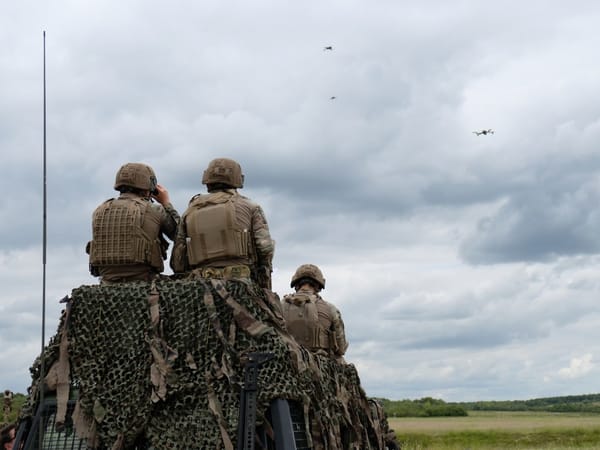
- Training Opportunities: Since 1975, Taiwan has utilized Singaporean training grounds, benefiting from Singapore’s advanced military practices. The annual Project Starlight exercises underscore Taiwan’s strategic endeavor to leverage Singapore as an operational ally against its diplomatic challenges.
Advantages for Taiwan
Taiwan’s alignment with Singapore represents more than just military training; it embodies a quest for international recognition. Engaging with a significant player in Asia, despite its limited global diplomatic presence, helps bolster Taiwan’s international image.
Historical Context
- Origins of Collaboration: The military cooperation between Singapore and Taiwan originated when Lee Kuan Yew, Singapore’s founding Prime Minister, and Chiang Ching-kuo, Taiwan’s former premier, identified the need for training space beyond Singapore’s borders.
- Sustained Commitment: Despite geopolitical pressures, Singapore has consistently indicated its intention to maintain this military program with Taiwan. Any cessation of training would not only undermine Taiwan’s defense posture but also sever a historically significant relationship.
Singapore’s Dual Approach
While cultivating ties with Taiwan, Singapore also navigates its relationship with China. This delicate balance allows Singapore to engage in military exercises with both nations without significantly favoring one over the other.
Military Engagement with China
- Bilateral Exercises: Singapore and China have structured military exchanges, emphasizing counterterrorism and operational readiness. In recent years, high-level defense dialogues and large-scale military exercises, like Exercise Cooperation 2025, have enhanced cooperative frameworks.
- Managing Diplomatic Risks: Analysts note that Singapore’s collaborations with China do not undermine its commitments to Taiwan. On the contrary, such engagements serve to mitigate regional tensions while providing essential training, particularly in urban warfare scenarios.
Key Insights from Defense Analysts
Experts have evaluated the implications of Singapore’s military collaborations, concluding that:
- Limited Strategic Advantage: The training exercises enhance operational capabilities, but analysts agree that they do not drastically alter the military balance in the Taiwan Strait. Roy, a senior fellow at the East-West Center, posits that the arrangement does not inherently strengthen Taiwan’s defensive capabilities.
- Hong Kong’s Complex Terrain: The complex geography of Taiwan provides valuable training opportunities that parallel Singaporean military needs, allowing for diverse operational simulations that are pivotal for advanced military readiness.
Conclusion: An Independent Diplomatic Stance
Singapore’s military training programs signify more than tactical cooperation; they represent a nuanced diplomatic maneuver to preserve sovereignty while engaging with two contrasting political entities. This approach reinforces Singapore’s image as a neutral facilitator, keen on maximizing its strategic advantages.
- Balancing Relationships: Yun Sun points out that Singapore’s ability to balance its relationships reflects a keen understanding of regional dynamics. It delivers not just military expertise but also a reputation for independence in its foreign policy.
In summary, Singapore’s involvement in military training exercises with Taiwan and China epitomizes a multifaceted strategy that adeptly navigates East Asian geopolitics, ensuring that the Republic remains relevant and resilient in its defense stance.