Solomon Islands to Reassess Security Pact with China

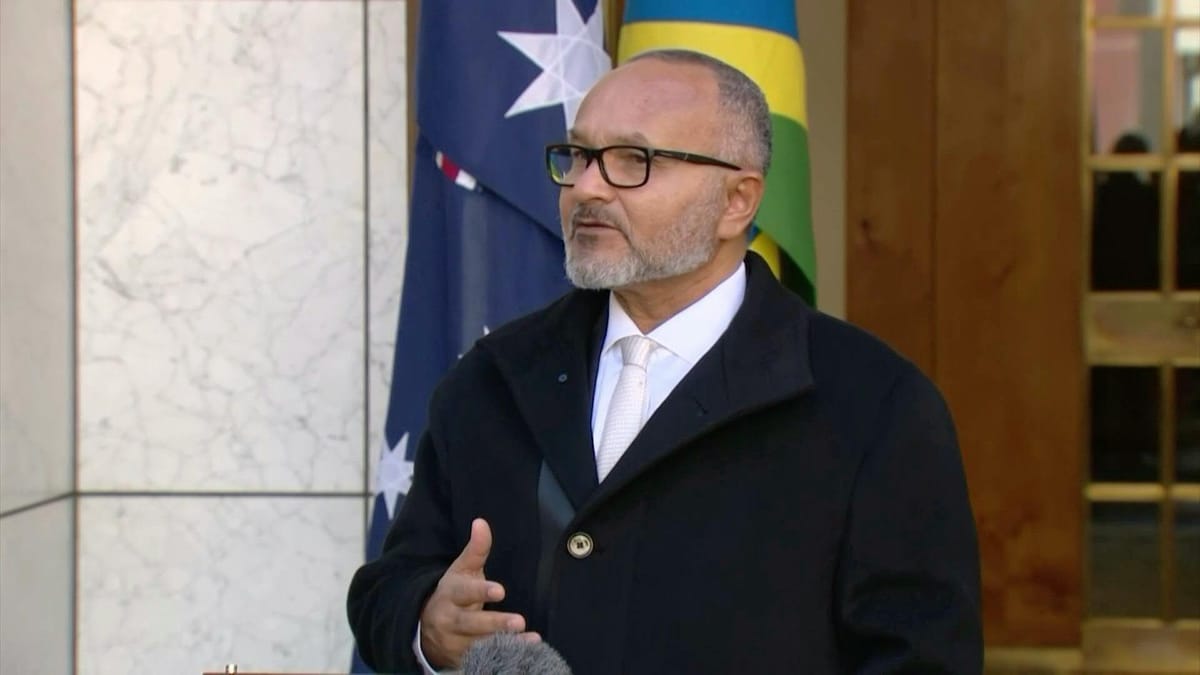
New Leadership, New Directions
In a significant shift in foreign policy, Prime Minister Matthew Wale of the Solomon Islands has announced plans to review a controversial security agreement with China, originally signed in 2022. This pact has raised considerable concerns in both Canberra and Washington due to its potential to allow Chinese military forces to operate within the South Pacific region. The review is expected to be closely monitored by international stakeholders given the strategic implications of Chinese influence in the area.
Context and Implications
The original security pact, which was signed under the previous administration, has been a focal point of tension between the Solomon Islands and its traditional allies, particularly Australia and the United States. Critics argue that the agreement compromises regional security and could lead to increased Chinese military presence, thereby altering the balance of power in the Pacific. Prime Minister Wale's decision to reassess this agreement indicates a potential pivot in the Solomon Islands' foreign relations, which could either mitigate or exacerbate existing tensions.
Wale's review raises questions about the future of Sino-Solomon relations and the extent to which the new administration will distance itself from previous agreements. Analysts will be watching closely to see if this move signals a broader shift in the geopolitical landscape of the region, particularly in the context of increasing competition between China and Western powers.
Why It Matters
This reassessment of the security pact highlights the Solomon Islands' strategic position in the South Pacific and its importance to U.S. and allied efforts to counter Chinese influence. The outcome of this review could have profound implications for regional security dynamics and may reshape the approach of Western nations toward engagement in the Pacific. Any changes could also encourage similar moves by other nations in the region, as they navigate their relationships with both China and the United States.
Sources: Thedefensepost, Reuters, WSLS, Bloomberg.com, and Hong Kong Free Press HKFP