South Korea to Dismantle Defense Counterintelligence Command

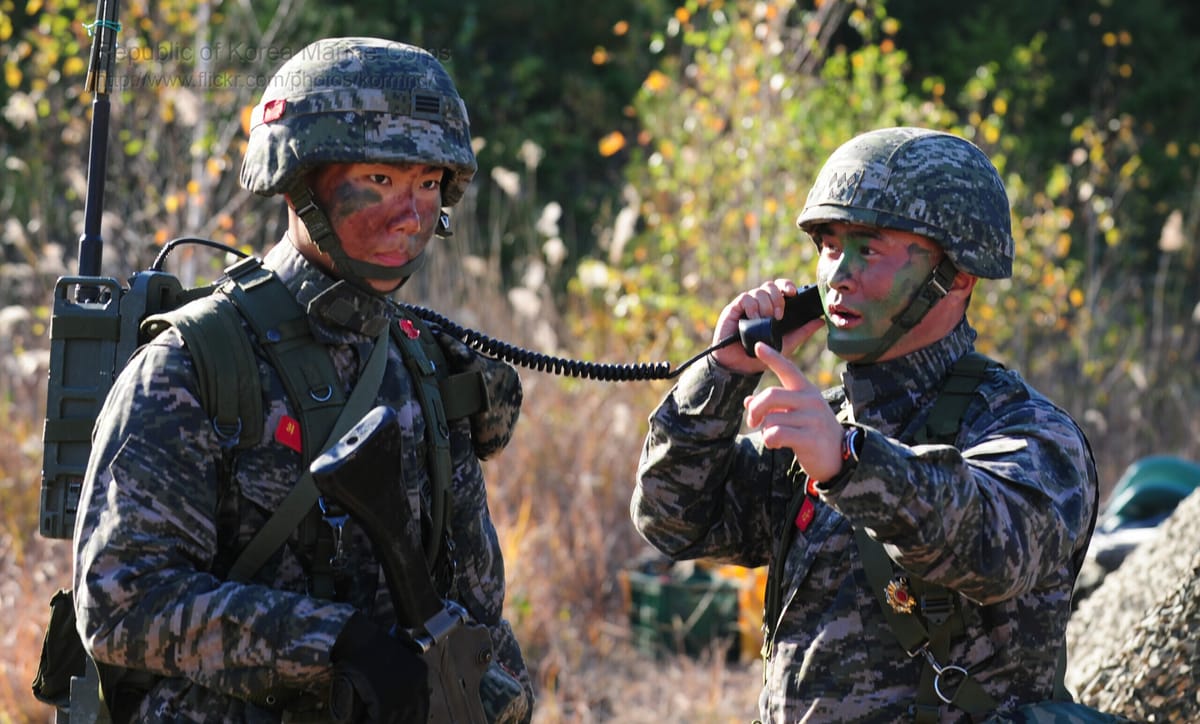
Dismantling of the Command
South Korea has announced the disbandment of its Defense Counterintelligence Command. This decision follows the segment's involvement in former President Yoon Suk Yeol’s unsuccessful martial law attempt in 2024. The dissolution of this command marks a significant shift in how South Korea approaches military intelligence and counterespionage.
Context and Analysis
The Defense Counterintelligence Command has historically played a crucial role in safeguarding national security by monitoring and preventing espionage activities within the military. However, its participation in the controversial martial law attempt has raised serious questions about its operational integrity and the extent of its authority. Analysts are evaluating the implications of this move, particularly regarding the future of military oversight and civilian control in South Korea. The decision underscores the government's commitment to reassessing military policies that may infringe upon democratic principles.
The dismantling of this command suggests a potential restructuring within South Korea's defense framework. As the nation navigates complex regional security dynamics, including threats from North Korea, the effectiveness of its remaining intelligence apparatus will be under scrutiny. Analysts will be watching how this change impacts South Korea's ability to counter espionage and maintain national security in a challenging environment.
Why it Matters
This development raises important questions about the balance between security and civil liberties in South Korea. The implication is that the government may be seeking to restore public trust and ensure that military operations align with democratic governance. As South Korea continues to face external threats, the effectiveness of its intelligence and counterintelligence capabilities will be critical, and the reorganization of military structures could influence future strategic decisions.
Sources: Thedefensepost, The Defense Post, The Korea Herald, 조선일보, and The Korea Times