South Korea's Nuclear-Powered Submarine Program Accelerates

Strategic Developments in South Korea's Naval Capabilities
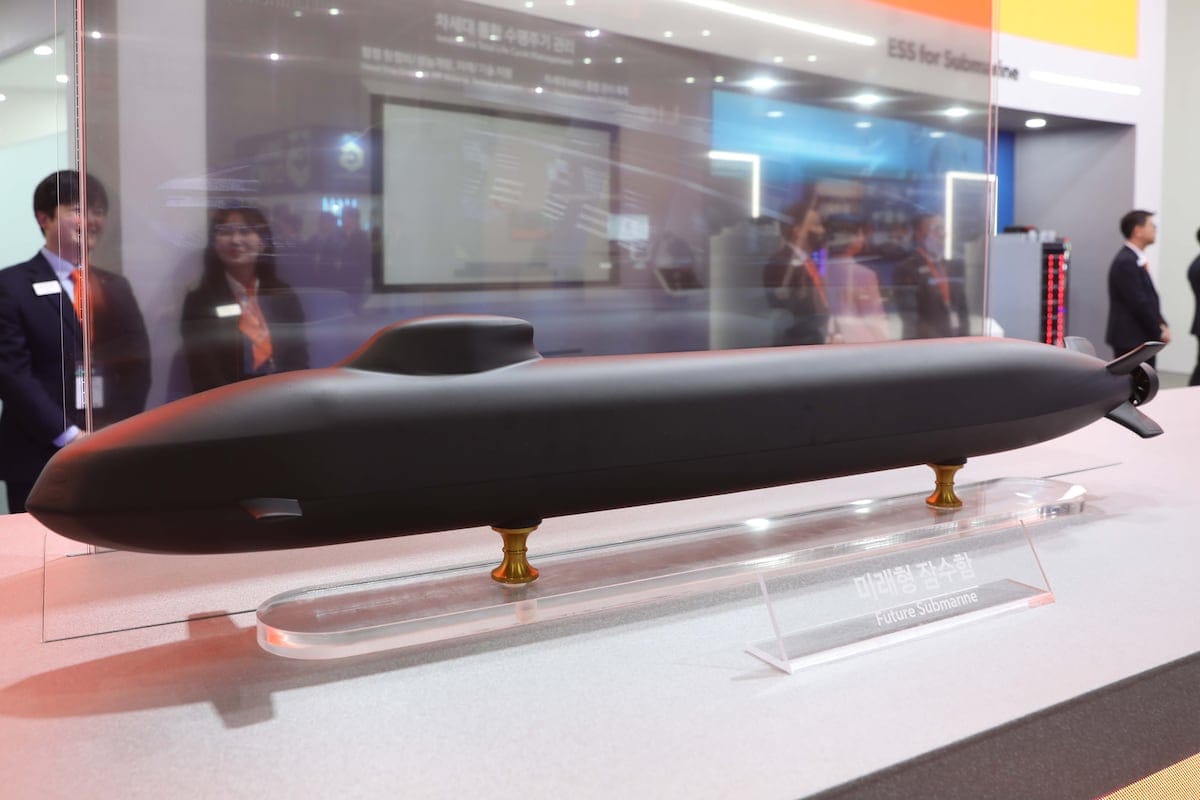
South Korea is advancing its military capabilities by moving forward with the development of nuclear-powered submarines. The government announced plans to launch its first submarine in the mid-2030s, with commissioning expected in the “late 2030s.” This initiative is part of a broader strategy to enhance the nation’s defense posture amid rising regional tensions.
The decision to pursue nuclear capabilities is significant for South Korea, as it reflects a shift in military policy aimed at bolstering deterrence against potential threats, particularly from North Korea. Analysts note that nuclear-powered submarines offer extended range and endurance, enabling South Korea to project power more effectively in the region. As the geopolitical landscape in East Asia becomes increasingly complex, the introduction of these advanced submarines could reshape naval dynamics.
Implications for Regional Security
The implications of South Korea's nuclear submarine program are broad, raising questions about the balance of power in the region. As South Korea enhances its naval capabilities, it may prompt neighboring countries to reassess their own military strategies. This development could lead to an arms race or increased military cooperation among allies as nations respond to perceived threats.
Moreover, this initiative underscores South Korea's commitment to maintaining a robust defense strategy in an era marked by uncertainty. The focus on nuclear-powered submarines signals a readiness to adopt more sophisticated military technologies, which could influence defense spending and military alliances in the region. Strategic analysts will be monitoring these developments closely to understand their potential impacts on regional stability.
Sources: Defensenews, DW.com, The War Zone, The Korea Herald, and The Korea Times