SOUTHCOM Establishes Dedicated Unmanned Operations Branch

New Focus on Unmanned Capabilities in the Southern Hemisphere
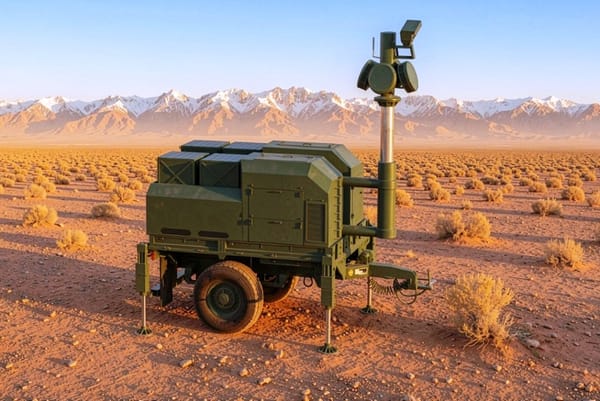
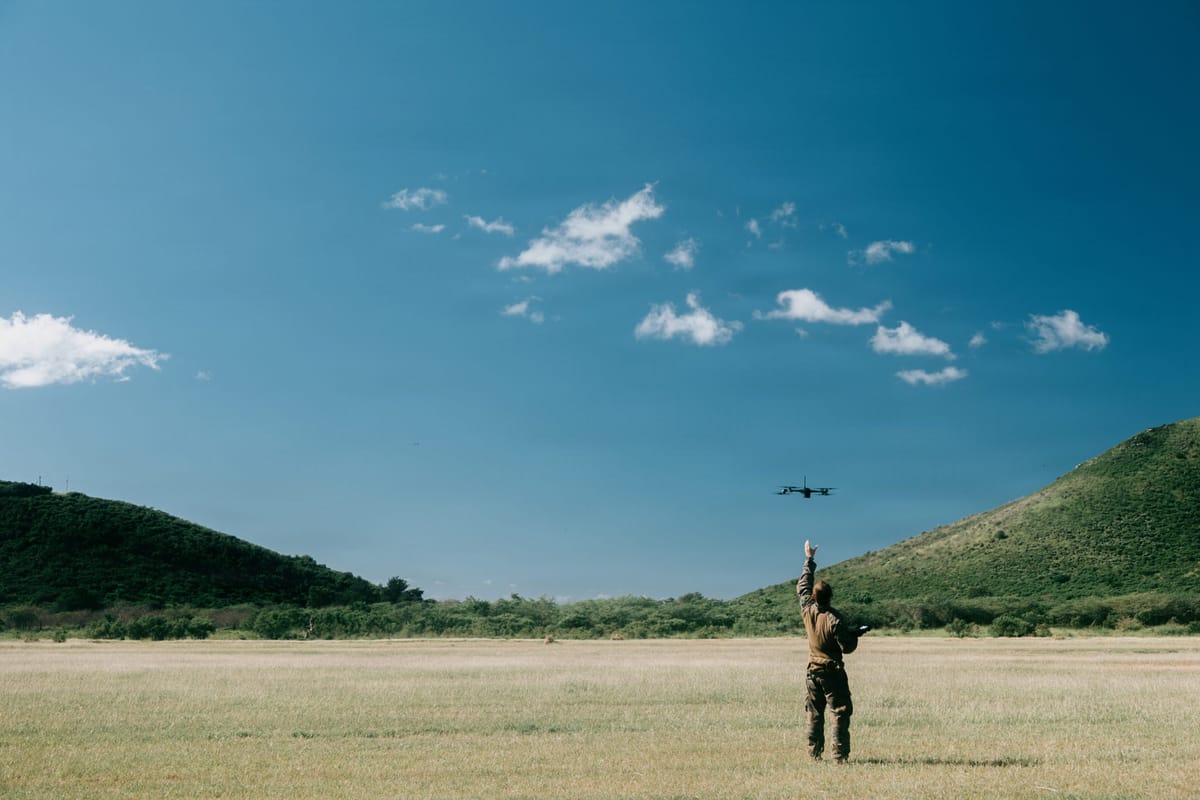
The US Southern Command (SOUTHCOM) has announced the creation of its first dedicated segment to manage unmanned missions across Central and South America. This initiative underscores a strategic pivot towards integrating unmanned systems into operational frameworks within the region, enhancing situational awareness and operational efficiency.
The establishment of this new branch reflects ongoing efforts to adapt to evolving security challenges in the Americas. The increased use of unmanned systems is expected to facilitate a range of missions, including surveillance, reconnaissance, and intelligence-gathering activities. By centralizing these capabilities, SOUTHCOM aims to improve coordination and effectiveness in addressing regional threats such as drug trafficking, human smuggling, and transnational organized crime. This move is particularly timely given the rising sophistication of adversarial tactics in the region.
Strategic Implications for US Engagement
As unmanned systems become integral to military operations, the implications for US engagement in Latin America are significant. By enhancing its unmanned capabilities, SOUTHCOM can potentially increase its operational footprint and response times, making it better equipped to handle crises. This approach may also foster closer collaboration with partner nations, as shared unmanned technologies and intelligence could improve joint operational efforts against common threats.
Furthermore, the establishment of the unmanned capabilities branch raises questions about future resource allocation and technological investments within SOUTHCOM. Analysts will be watching how this initiative evolves and whether it leads to a broader shift in US defense posture in the region. The emphasis on unmanned systems could signal a long-term commitment to modernizing military capabilities in South America, potentially reshaping the landscape of security cooperation and defense strategies in the hemisphere.
Sources: Thedefensepost, southcom.mil, DefenseScoop, Stars and Stripes, and The Defense Post