Space Force Removes Astrion from Resilient GPS Program

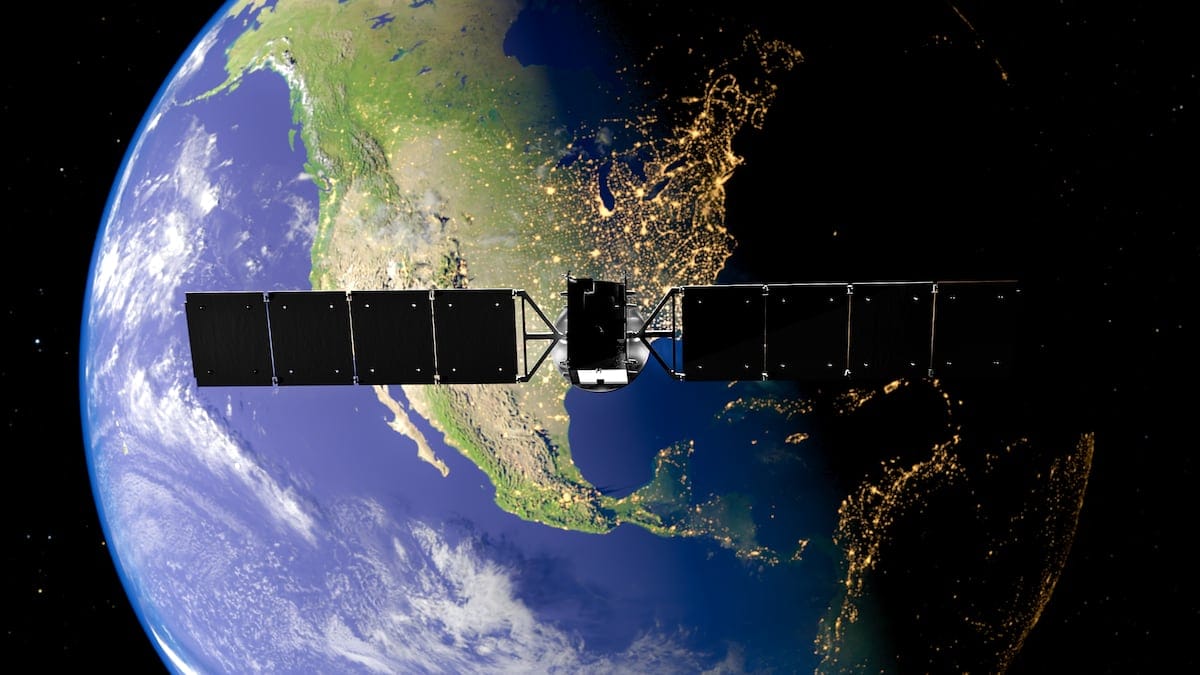
The Space Force is making waves in the realm of satellite technology with its Resilient GPS (R-GPS) program, a crucial initiative aimed at enhancing the United States’ navigation and positioning capabilities in increasingly contested environments. Recently, the Space Force’s acquisition arm, Space Systems Command (SSC), made headlines by canceling its contract with one of the four companies selected for the project. This decision, revealed by Defense News, highlights ongoing developments in military space operations and the flexibility required in adapting to new technologies. ### The Background of R-GPS In September of the previous year, SSC awarded contracts, each worth $10 million, to four companies: L3Harris, Sierra Space, Astranis, and Axient (which has since transitioned to Astrion). The objective was to design a constellation of small, low-cost, resilient GPS satellites that would work in harmony to improve resilience against potential threats. These efforts come in response to the complex and evolving landscape of military GPS usage, where adversaries’ capabilities to jam or spoof signals could jeopardize operations. ### Reasons for Cancellation Following initial design reviews conducted in December and January, SSC identified that Astrion’s performance did not meet the required level of maturity. In a statement from Cordell DeLaPena, the program executive officer for military communications and positioning, navigation, and timing, it was disclosed that the decision to discontinue Astrion’s contract was made to ensure the overall success of the program. The remaining funds earmarked for Astrion will now be redirected to the three other contractors, streamlining resources towards firms that have shown greater promise. ### Funding Redistribution and Future Steps As the SSC navigates the contract cancellation process, specifics regarding the redistribution of funds among the remaining vendors are still being discussed. The current financial structure allowed for funding over the first six months of the R-GPS program, which is expected to evolve significantly as it progresses. DeLaPena expressed optimism that reallocating the funds would be sufficient to support the three vendors through the initial program phase, culminating in a final design review and demonstration by spring. Following the demonstration, SSC plans to select at least two companies to refine their designs and construct prototypes. Ultimately, one or more firms are expected to be chosen to produce the first eight satellites, scheduled for launch by 2028. This timeline reflects the urgent need for enhanced satellite capabilities in the face of heightened competition and challenges in space. ### Cost Efficiency and Strategic Implications The R-GPS initiative is projected to have a budget of $1 billion over the upcoming five years, with satellite costs expected to range between $50 million and $80 million each. This represents a significant reduction compared to the $250 million spent on a Lockheed Martin-built GPS IIIF satellite. The affordability of these smaller satellites allows for the creation of a larger constellation that enhances overall redundancy and resilience. While R-GPS satellites will possess fewer capabilities than their more expensive counterparts, their greater number should provide a dependable backup capability. This is especially crucial in a context where satellite vulnerabilities can be exploited by adversarial forces. The projected constellation will include both civil signals and the M-code, a secure military signal designed with anti-jam features, ensuring continued operational integrity. ### Legislative Context and Funding Challenges The push for the R-GPS program has been bolstered by new Pentagon budget authorities introduced under the fiscal 2024 National Defense Authorization Act. This “quick start” funding mechanism allows for the immediate allocation of funds for new programs, recognizing that traditional budget processes can be lengthy and cumbersome. R-GPS received $40 million from this mechanism and has requested an additional $77 million for fiscal 2025, though congressional approval remains uncertain, with lawmakers expressing concerns about the program’s effectiveness and strategic implementation. DeLaPena remains hopeful regarding the resolution of funding challenges, indicating that SSC has addressed all inquiries from Congress concerning the project’s viability and resourcing. As the program progresses, unfolding dynamics in legislative discussions will play a crucial role in shaping the future of military GPS capabilities. ### The Broader Implications for Space Force Operations The Space Force’s R-GPS program is more than just a satellite initiative; it embodies a broader strategic vision to enhance U.S. military operations in space. As technological advancements and global threats evolve, maintaining a robust satellite network is critical for communications, navigation, and operational effectiveness. The ongoing developments in R-GPS could set the stage for the next generation of military navigation capabilities, ensuring that the United States retains its competitive edge in the ever-evolving domain of space. The pursuit of affordability, resilience, and adaptability in the R-GPS program highlights the innovative approach the Space Force is taking to future-proof its operations against an uncertain and potentially hostile space environment.