
Space Force Revisits Strategy for Expanded Satellite Communication Networks

Strategic Implications of the Space Force’s 2026 Budget Request
The recent budget proposal for the U.S. Space Force emphasizes a significant shift in strategy, particularly concerning satellite communications. Specifically, the plan to procure a third set of communication satellites through the Space Development Agency (SDA) has been put on indefinite hold as strategic evaluations suggest an alternative path may be more advantageous. This decision could have profound implications for the future of military communications from space.
Reevaluation of Communication Infrastructure
Chief of Space Operations, General Chance Saltzman, confirmed during a congressional hearing that the agency is exploring alternative strategies for low-latency communications. This evaluation comes in light of the established Starlink constellation, primarily managed by SpaceX, which has demonstrated capabilities that may align more closely with operational requirements.
- Key Focus Areas:
- Assessing the efficacy of existing commercial satellite networks.
- Exploring new models for scalable data transport options.
The MILNET Initiative
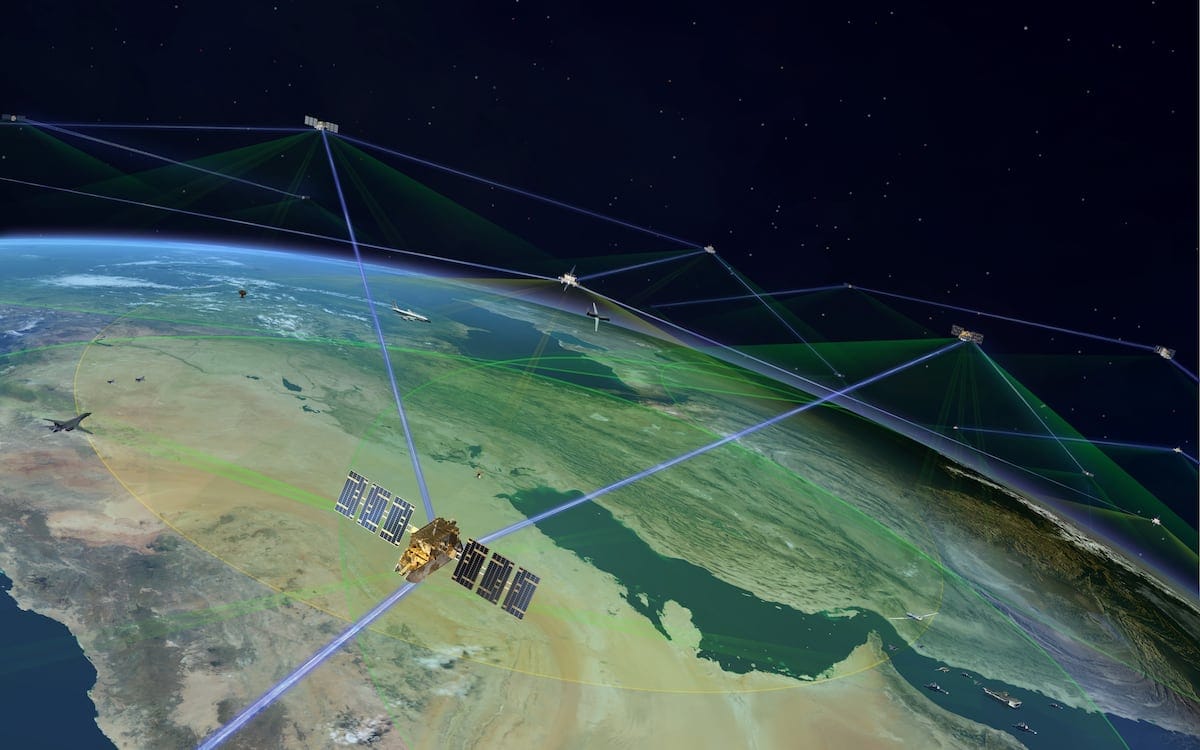
At the forefront of this strategic consideration is the relatively obscure MILNET program, designed as a comprehensive space data network potentially comprising up to 500 satellites. SpaceX’s military-focused unit, Starshield, has secured a contract to deliver the necessary satellites, ground terminals, and operational support to advance this initiative. The initiative’s classified nature raises valid concerns within the defense community regarding its integration into the broader military satellite architecture.
Concerns Regarding Competition and Openness
Senators have expressed reservations about the degree to which MILNET relies on SpaceX, as this could restrict competition and compromise the open architecture ethos that the SDA has cultivated. Senator Chris Coons (D-Del.) voiced apprehensions that:
- The MILNET program lacks competitive alternatives.
- There is minimal integration of a dynamic space ecosystem within its framework.
These points underscore a significant debate about the trade-offs between reliance on proven commercial technologies versus fostering a diverse competitive landscape.
Ongoing Developments in the SDA
Despite the pause in additional satellite purchases from the SDA, Saltzman and Air Force Secretary Troy Meink emphasized that several components of the existing program will proceed as initially intended. The SDA’s transport layer remains critical, aimed at validating the capability of extensive small satellite constellations delivered through competitive contracts to serve military tactical needs.
- Current Status:
- 19 SDA transport satellites are currently in orbit.
- Plans are underway to launch an additional 126 satellites in the next phase known as Tranche 1.
- Contracts exist for another 182 satellites, with Tranche 3 originally scheduled for procurement in 2026.
Moving Forward: An Uncertain Landscape
The proposed budget allocates $277 million for the MILNET program, marking its first public disclosure in the fiscal 2026 funding request. However, details regarding how these funds will be deployed remain ambiguous. The Space Force has yet to release comprehensive documents that could shed light on its analytical framework concerning MILNET.
- Funding Insights:
- Specific allocations for MILNET are unclear, leading to questions about the program’s strategic focus and operational goals.
- Future procurement strategies related to MILNET remain under vigorous review, with no definitive course of action established.
In summary, the Space Force’s reevaluation of its communications infrastructure, exemplified by the pivot away from the SDA’s satellite buys toward more integrated models like MILNET, presents a complex mix of strategic considerations. Stakeholder concerns about reliance on commercial providers, competition, and the overall direction of military space operations underscore the intricate landscape that the Space Force must navigate in the evolving domain of space-based military capabilities.
Implications for Future Military Operations
This development highlights the critical need for an adaptable and resilient satellite architecture that can meet the growing demands of military operations. As the Space Force continues to refine its strategies and partnerships, achieving a balanced approach that fosters innovation while ensuring the robustness of national security will be imperative.