Stalemate in US-Iran Peace Negotiations: Implications for Regional Stability

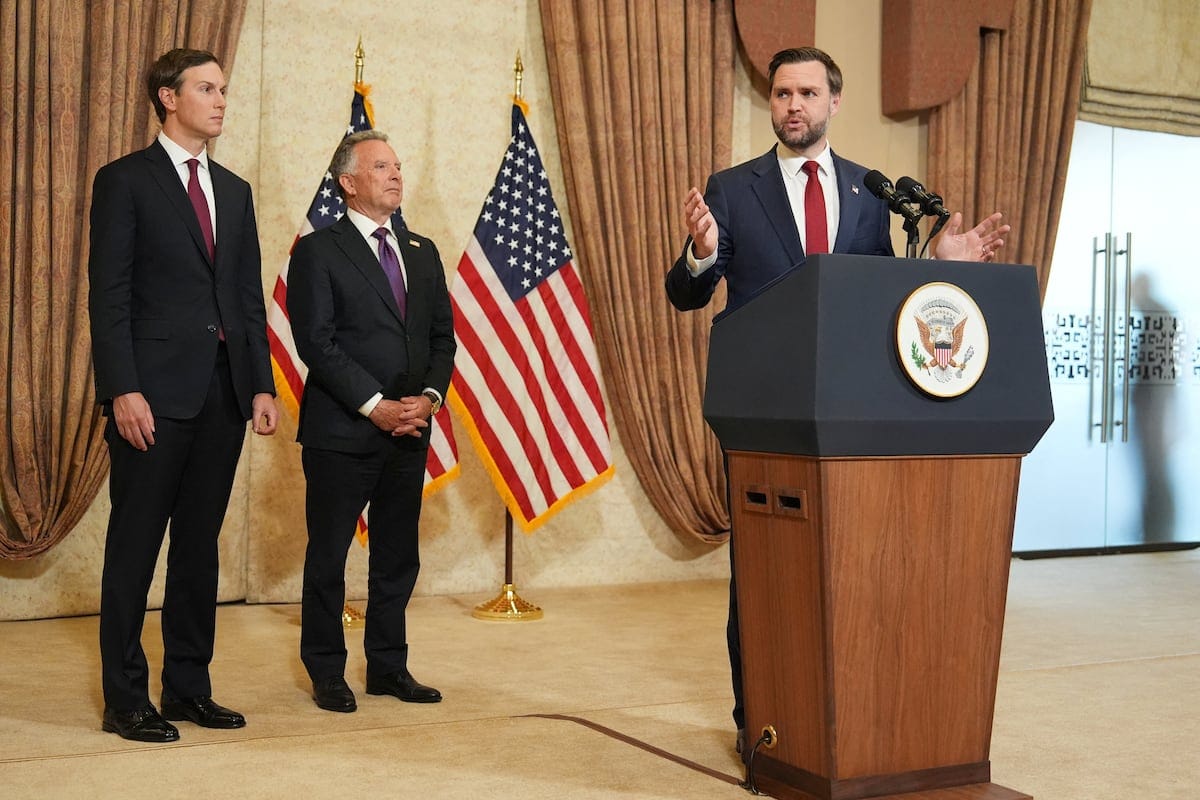
Negotiations Collapse in Islamabad
This week, peace talks between the United States and Iran concluded without reaching an agreement, following a grueling 21-hour negotiation session in Islamabad. Representatives from both nations departed the venue with mutual accusations of blame for the failure to resolve ongoing hostilities that have resulted in significant casualties and disrupted global economic stability.
Efforts to broker peace have been hampered by longstanding historical grievances and geopolitical tensions. The negotiations were intended to address escalating violence that has, according to estimates, claimed thousands of lives and threatened energy supply chains worldwide. The environment was already tense, as both sides entered the discussions with hardened positions and a lack of trust. The U.S. delegation urged Iran to halt its regional aggression and nuclear advancements, while Iranian representatives demanded the lifting of sanctions before making concessions.
Contextual Analysis
The breakdown of talks reflects deeper systemic issues within U.S.-Iran relations. The absence of a viable diplomatic path raises the likelihood of continued conflict, which could further destabilize the Middle East. Additionally, the failure to reach an agreement at this juncture could embolden hardliners within both governments, making future negotiations even more challenging. The geopolitical landscape is complicated by external players, including allies and adversaries, who have vested interests in the outcome of U.S.-Iran relations.
The regional implications of this stalemate are profound. Should hostilities escalate, it could trigger a broader conflict involving U.S. allies, such as Israel and Saudi Arabia, potentially leading to increased military engagements in the region. Furthermore, the failure to stabilize Iran raises concerns about the security of global oil supplies, which could have far-reaching effects on the international economy.
In the absence of a diplomatic resolution, the situation warrants close monitoring. Defense professionals should prepare for a range of contingencies, including heightened military readiness in the region and increased intelligence operations to gauge Iran's actions. The potential for Iranian provocations or retaliatory measures remains high, necessitating a proactive approach to ensure regional stability and safeguard U.S. interests.
Sources: Defensenews