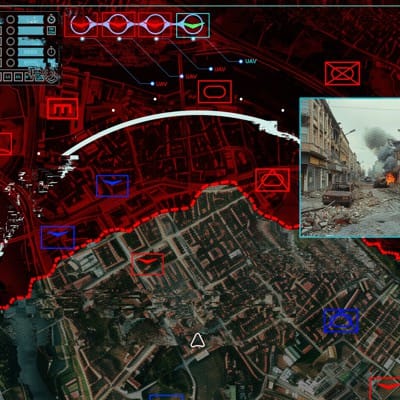
Stand-in Jammers to Take Center Stage for NATO


Enhancing NATO’s SEAD Capabilities: The Role of Stand-In Jamming
Introduction to Stand-In Jamming
In response to emerging threats highlighted by the ongoing conflict in Ukraine, NATO is actively revamping its approach to the suppression of enemy air defense (SEAD). This initiative emphasizes the swift integration of stand-in jamming within a dynamic high/low capabilities framework.
At the forefront of this effort is the introduction of the StormShroud Airborne Countermeasure Pod (ACP), which has been specifically designed to fulfill an Urgent Capability Requirement articulated by the Royal Air Force (RAF) for a responsive jamming solution.
Importance of Diverse Electronic Warfare Strategies
During the recent AOC Europe 2025 conference in Rome, experts in electronic warfare (EW) and defense technology underscored the necessity of implementing a variety of stand-in effects alongside conventional means of airborne electronic attack (AEA). Key discussions included:
- The development of a Capability Code by the NATO Air Force Armaments Group (NAFAG), aimed at standardizing acquisition processes across NATO member states.
- The critical role of multi-faceted electronic warfare in modern combat environments to enhance operational effectiveness.
Reevaluating SEAD Strategies
SEAD, which refers to the tactics used to disrupt, degrade, or neutralize adversary integrated air defense systems (IADS), is vital for the success of air operations. Effective SEAD operations enable:
- Unrestricted maneuverability in contested airspace.
- Increased survival rates for friendly air assets.
- Elevated chances of conducting successful strikes against opposing forces.
SEAD can be executed through two primary methodologies:
- Non-Kinetic SEAD:
- Utilizes electronic attacks (EA) to interfere with surveillance systems and fire control radars.
- Disrupts enemy communications networks, creating secure operational windows within missile engagement zones (MEZ).
- Kinetic SEAD:
- Involves the deployment of anti-radiation missiles and precision-guided munitions to incapacitate radar installations, surface-to-air missile (SAM) systems, and command-and-control centers.
Conclusion
The evolving landscape of modern warfare necessitates a comprehensive and agile approach to SEAD capabilities. The integration of advanced jamming technologies like the StormShroud ACP symbolizes NATO’s commitment to maintaining air superiority against increasingly sophisticated threats. As NATO continues to adapt, the emphasis on diverse electronic warfare techniques will be crucial in ensuring operational readiness and effectiveness in future air campaigns.