States Strengthen Election Security Amid Federal Withdrawal

State-Level Initiatives in Election Defense
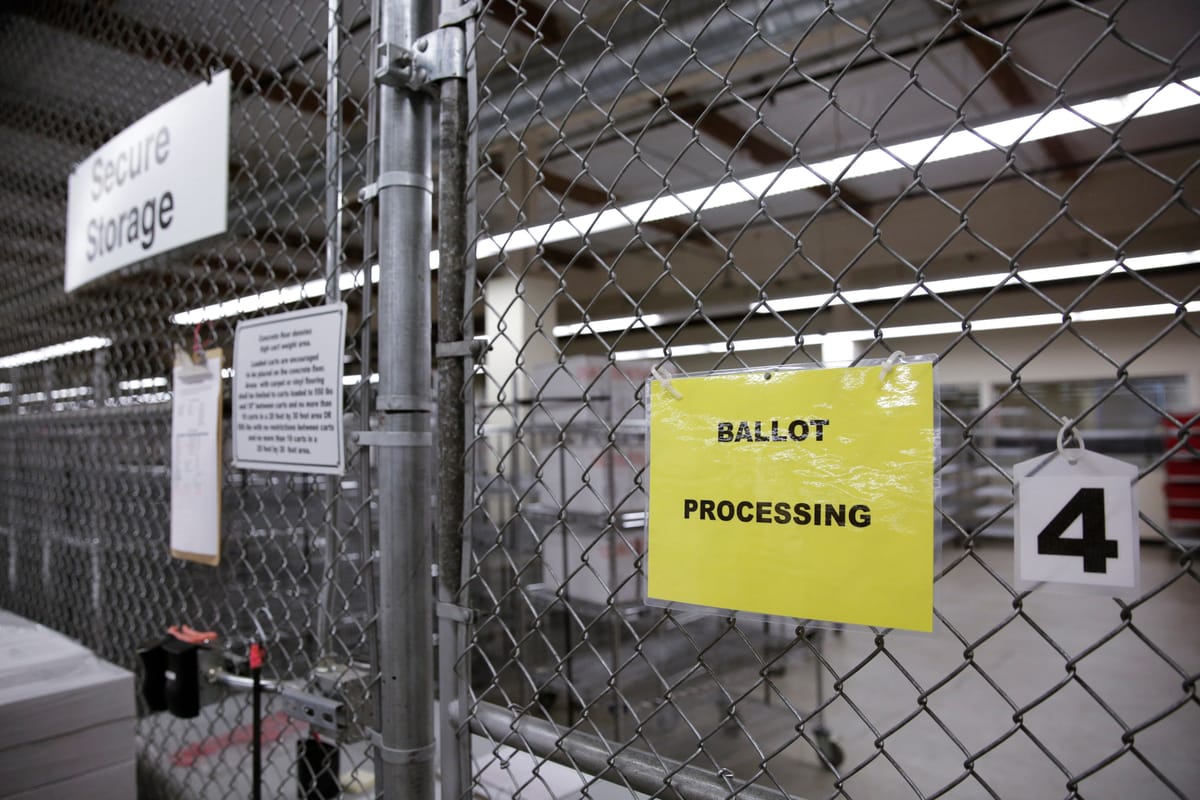
As federal support for election integrity diminishes, state election officials are proactively establishing their own election defense networks. This shift follows recent actions, including the firing of officials at the Election Assistance Commission (EAC) and a warning from the Department of Justice (DOJ) regarding the management of voter rolls. These developments are prompting states to take legal and operational precautions to safeguard the electoral process.
In the current political climate, where concerns about election security are paramount, states are becoming increasingly self-reliant. The reduction in federal oversight and resources has catalyzed efforts at the state level to enhance security measures, ensuring that electoral integrity is maintained. This trend indicates a significant shift in how elections are defended, with states aiming to mitigate potential vulnerabilities independently. The implications of this shift could lead to a more fragmented electoral landscape, as states adopt varying standards and practices.
Why It Matters
The evolution of state-driven election defense networks raises critical questions about the future of electoral security in the United States. With states taking the lead in implementing security measures, analysts will be watching how these localized efforts affect overall election integrity and public confidence. The necessity for cooperation and consistency across states may become even more pressing, as disparities could create confusion among voters and impact election outcomes.
Sources: Cyberscoop, Votebeat, The Hill, Brennan Center for Justice, and Democracy Docket