Strategic Agreements Signal Shift in European Defense Manufacturing Landscape

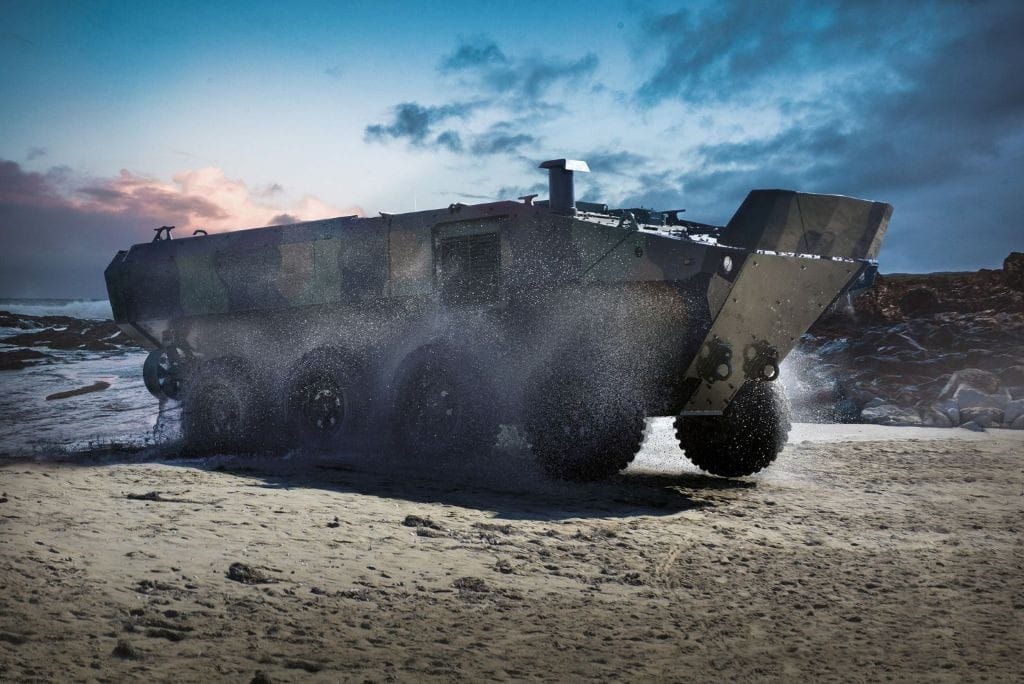
In a significant shift within the European defense sector, two separate strategic agreements have recently been established that underscore the region's commitment to enhancing military capabilities through innovative technology and collaborative manufacturing. Indra Land Vehicles' partnership with IDV, a Leonardo Company, and the collaboration between Havelsan, VN Maritime, and Piloda Defence exemplify the trend toward integrated and diversified defense production in Europe.
The Strategic Partnerships
On April 17, 2026, Indra Land Vehicles and IDV announced a strategic agreement to develop a new Marine Infantry combat vehicle tailored for the Spanish military. This initiative aims to modernize Spain's ground forces, aligning with NATO's push for enhanced readiness and interoperability. The new combat vehicle is expected to incorporate advanced technologies, including enhanced mobility, protection systems, and integrated battlefield management capabilities.
Just days prior, on April 8, 2026, a consortium led by Havelsan, alongside VN Maritime and Piloda Defence, secured a contract to produce 40 naval units for the Italian Coast Guard. This agreement reflects a growing emphasis on *manned, unmanned, and hybrid surface platforms*, which will play a crucial role in maritime security operations and surveillance. The collaboration marks a pivotal moment for Italy's naval capabilities, potentially leading to further advancements in autonomous maritime technology.
The Strategic Calculus
These developments are not merely industrial milestones; they illustrate a broader strategic calculus in European defense. The partnerships are indicative of a shift toward:
- Increased cooperation among European defense companies, as nations seek to pool resources and expertise.
- Focus on technological innovation to enhance combat readiness and operational capabilities.
- Adaptation to emerging threats, necessitating advanced platforms that can operate in diverse environments.
Moreover, these agreements reflect the ongoing response to geopolitical pressures, particularly concerning regional security threats and the need for enhanced deterrence. The emphasis on hybrid capabilities—merging traditional platforms with unmanned systems—indicates a recognition of the evolving nature of warfare, where flexibility and adaptability are paramount.
What Comes Next
Looking ahead, the implications of these agreements are profound:
- As Indra and IDV embark on the development of the Marine Infantry combat vehicle, further details about specifications and timelines will be critical for assessing Spain's military modernization trajectory.
- The Italian Coast Guard's acquisition of new naval units will likely serve as a catalyst for regional naval collaborations, potentially inspiring similar contracts with other European nations.
- Continued investment in hybrid and unmanned platforms could redefine naval operations, pushing for an integrated approach that enhances situational awareness and response capabilities.
These strategic agreements not only enhance the operational capabilities of the respective armed forces but also set the stage for deeper inter-European defense ties. As nations continue to navigate the complexities of modern conflict, the ability to innovate and collaborate effectively will be pivotal in ensuring sustained security and resilience.
Sources: Edrmagazine, Carnegie Endowment for International Peace, Fondation pour la Recherche Stratégique, Atlantic Council, and Naval Technology