Strategic Developments in the Indo-Pacific: Command and Resource Dynamics

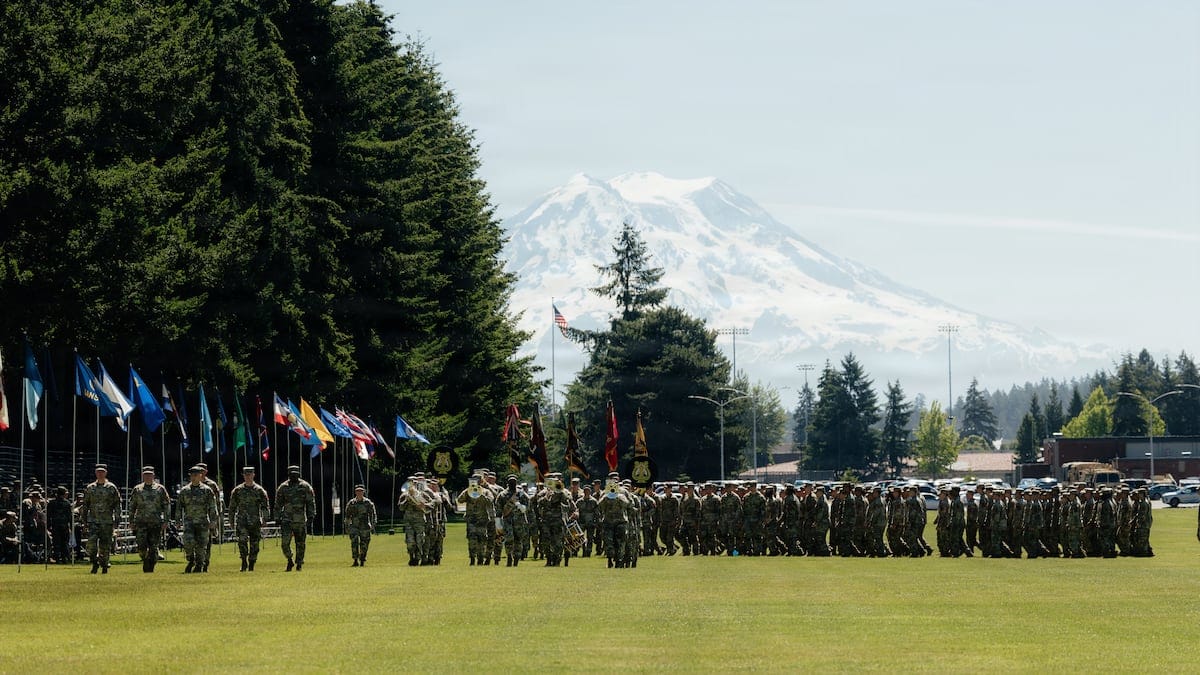
The recent establishment of a new multi-domain command by the Army signals a significant shift in U.S. military strategy in the Indo-Pacific region. This command integrates traditional military formations with advanced capabilities in cyber, space, unmanned systems, and electronic warfare. Such a move underscores a growing recognition of the complex security environment in this pivotal area.
What Happened
The Army's new multi-domain command aims to enhance operational capabilities in the Indo-Pacific by leveraging innovative technologies alongside conventional military assets. Elements of this command include:
- Cyber warfare capabilities
- Space operations
- Unmanned systems
- Electronic warfare
This adaptation reflects an evolving military doctrine that seeks to address diverse threats in a region marked by increasing geopolitical tensions.
The Strategic Calculus
As the U.S. repositions its forces, the energy dynamics within the Indo-Pacific cannot be overlooked. Observers are increasingly pointing to Singapore as a critical indicator of how quickly high-end conflicts could impact allied nations' dependence on oil and gas. This raises questions about the broader implications for U.S. allies and their operational readiness in times of crisis:
- How will energy supply chains be affected in the event of a conflict?
- What measures are allies taking to mitigate risks associated with energy dependence?
- How does Singapore's position inform U.S. strategic planning?
The ability to sustain military operations hinges not only on troop readiness but also on logistical support and resource availability, making Singapore a focal point for assessing potential vulnerabilities.
The Bigger Picture
In light of these developments, defense analysts are closely monitoring several interconnected factors:
- The enhancement of U.S. military capabilities in cyber and space domains.
- The role of Southeast Asian nations, particularly Singapore, in regional security frameworks.
- Potential shifts in energy dependencies that could alter strategic partnerships.
With President Trump at the helm and Pete Hegseth as Secretary of Defense, the U.S. continues to adapt its defense posture in response to emerging threats and opportunities in the Indo-Pacific. The integration of advanced technologies with traditional military forces represents a crucial evolution in ensuring a robust defense framework.
Sources: Defensenews, Defenseone, TheWire.in, Eurasia Review, IRIS - Institut de relations internationales et stratégiques, and Defence Security Asia